What Is Waterproof Plywood?
Waterproof Plywood is designed to cope with moisture better than standard interior plywood. It is commonly used in bathrooms, kitchens, exterior structures, and other areas where splashes or damp air are expected. Yet the name can create a false sense of security. No sheet should be assumed to withstand unlimited water exposure without checking its grade and installation requirements.
The term usually refers to plywood made with water-resistant adhesive, and sometimes treated veneers or additional protective coatings. These features help the layers stay bonded when moisture is present. They do not make every panel identical. Product specifications, face quality, core construction, and intended exposure can differ between manufacturers. A label alone is not enough.
Details matter. A cut edge left bare can absorb water, even when the panel face looks smooth and sealed. Proper sealing, suitable fasteners, and careful drainage can help reduce damage. For example, a panel beneath a sink may face occasional spills, while an outdoor deck can experience repeated rain and drying. Those conditions call for different choices. This guide explains what Waterproof Plywood means, how it is made, where it performs well, and what to check before buying. It also considers its limits, because even experienced builders can underestimate moisture entering through joints or damaged surfaces. A careful comparison of ratings and project conditions is more useful than relying on a broad product claim.
What Is Waterproof Plywood?
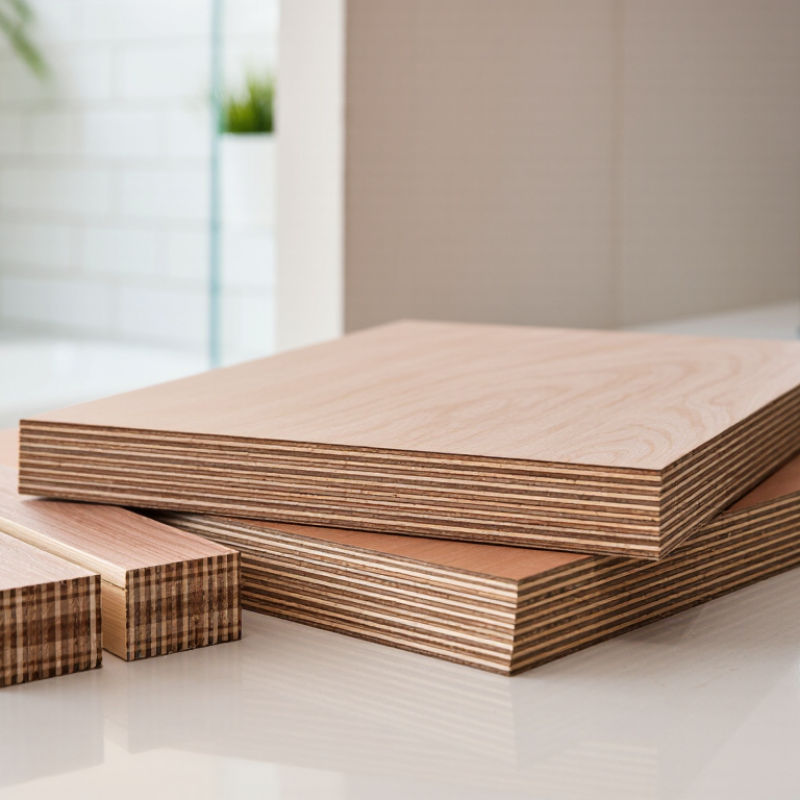
Waterproof plywood is a wood panel made with veneers bonded by water-resistant adhesive. The term is slightly misleading: the adhesive can withstand moisture, but the wood itself is not sealed against every drop. Prolonged soaking, standing water, and exposed edges can still cause swelling or damage. That distinction matters. A panel’s performance depends on its grade, construction, and the conditions around it.
In practice, waterproof plywood is often used where occasional dampness is expected, such as exterior joinery or sheltered construction. Check the panel’s rating and intended use before choosing it; appearance alone tells you little. Cut edges deserve attention because they can absorb water faster than coated faces. Edges are vulnerable. Seal them with a suitable coating, and keep panels raised from wet floors during storage. A small puddle under a stack can leave marks before installation. Even well-made plywood needs sensible detailing, ventilation, and maintenance. The label helps, but it cannot replace inspecting the site or understanding how much moisture the panel will actually face.
What Is Waterproof Plywood?
Plywood described as “waterproof” is generally made with water-resistant bonding and is intended for particular exposure conditions. It is not impervious to water or damage from prolonged wetting.
The chart shows Eurocode 5 timber service-class moisture-content references, not a waterproof-plywood rating. Class 3 means moisture content above 20%; the value shown marks that threshold, not an upper limit. Check the plywood’s grade and intended-use guidance for the specific application.
How Is Waterproof Plywood Made?
What Is Waterproof Plywood?
How Is Waterproof Plywood Made?
Plywood starts as thin wood veneers, peeled or sliced from logs and dried to a controlled moisture level. Makers arrange the sheets in alternating grain directions, which helps reduce splitting and movement. Waterproof or exterior-grade panels use adhesive formulated to resist moisture between layers. The glue is spread evenly, then the veneer stack is pressed under heat and high pressure. This bonds the plies into a firm panel. Small gaps or uneven glue coverage can weaken the result.
After pressing, panels are trimmed, sanded, and graded for defects such as open edges, knots, or surface splits. Some products receive protective treatment, but that does not make every face and edge permanently waterproof. Cut edges can expose the wood layers, so builders commonly seal them before installation. Edges matter. Inspect the panel stamp and product data, not just the word “waterproof.” Standards and adhesive types vary. Even a well-made sheet can swell if water sits on an unsealed edge for too long. The label can sound stronger than real-world performance.
What Materials and Adhesives Does It Use?
What Is Waterproof Plywood?
What Materials and Adhesives Does It Use?
Waterproof plywood is made from thin wood veneers bonded into a stable panel. The grain usually alternates direction between layers, helping the sheet resist bending and splitting. Veneers may come from hardwood or softwood, depending on the panel’s intended use. Not the wood itself. Even durable plywood can absorb moisture through exposed edges, damaged faces, or poorly sealed holes.
The key difference is often the adhesive. Exterior-rated panels use structural adhesives designed to maintain their bond during repeated damp conditions. These may include phenolic or other moisture-resistant resin systems. The exact formulation varies by product and manufacturing standard. The adhesive helps prevent the layers from separating, but it does not make every part of the panel immune to water. Veneer quality, core gaps, panel grade, and surface sealing also matter. “Waterproof” can be used loosely, so check the product’s technical sheet for its rated exposure and suitable applications.
Tips: Seal cut edges and drilled holes before installation, especially near sinks or outdoor joints. Look for clear exterior-use specifications, not just a “waterproof” label. A small unsealed edge can swell first. Inspect the panel for voids, rough patches, or loose veneer, and avoid assuming that a coated face protects the core.
What Types and Grades of Waterproof Plywood Exist?
Waterproof plywood is better understood as plywood with water-resistant bonding, not a panel that can remain submerged indefinitely. APA’s Engineered Wood Construction Guide distinguishes Exterior panels, designed for repeated wetting and drying, from Exposure 1 panels, intended for temporary construction exposure. Marine plywood, made to the requirements of PS 1-19, uses stronger veneer-quality controls and limits core gaps. Still, it is not automatically treated against decay.
Not quite waterproof.
Grades describe different things. Face grades such as A, B, C, and D indicate surface appearance and defects; a C-D panel, for example, has a lower-grade face and back. Structural ratings describe load capacity, not water resistance. APA’s span-rating system uses two numbers: a 32/16 rating means support spacing up to 32 inches for roof sheathing and 16 inches for subflooring. Check the panel stamp for both its bond classification and structural rating. A smooth face can look reassuring, but it does not prove the edges or core will tolerate standing water. The details are easy to miss on a wet jobsite.
Where Is Waterproof Plywood Used, and What Are Its Limits?
Waterproof plywood is not a panel that cannot get wet. The term usually describes plywood made with water-resistant or waterproof adhesive; the wood veneers can still absorb moisture. The Engineered Wood Construction Guide from APA distinguishes Exterior-rated panels, intended for long-term weather exposure, from Exposure 1 panels, designed for temporary exposure during construction. That difference matters. Exposure 1 is not a permanent exterior finish.
Use suitable panels for bathroom subfloors beneath tile, sink cabinets, utility rooms, and protected exterior joinery. Marine-grade plywood may suit boat interiors, but its grade does not make it immune to rot. Seal cut edges, prevent water from pooling, and allow ventilation. A forgotten screw hole beside a sink can become a weak point.
The USDA Forest Products Laboratory’s Wood Handbook reports that decay fungi generally need wood moisture content above about 20 percent. Repeated leaks can push plywood into that range, even if its adhesive bond remains intact. Waterproof is not maintenance-free. Check edges and concealed faces, and match the panel rating to its exposure. I would avoid specifying plywood where standing water is unavoidable; coatings wear, and installation details are easy to underestimate.