2026 Best Structural Plywood Buying Guide for Global Buyers?
Structural plywood is a vital component in construction and design. Its versatility makes it a favorite among builders and designers worldwide. According to Dr. Emily Harper, an industry expert in sustainable materials, "The right structural plywood can transform a project, merging strength with aesthetic appeal." This highlights the significance of careful selection.
As global trends shift towards sustainable construction, understanding structural plywood becomes paramount. Buyers must consider factors like durability, grading, and sourcing. Not all plywood is created equal. Some products don't meet the required standards, leading to potential failures in structural integrity.
Several variables influence decisions. Quality, cost, and performance are critical. Assessing these elements may seem straightforward but requires reflection. Not every supplier maintains rigorous quality control. Thus, buyers must navigate this landscape cautiously, ensuring their choices uphold safety and reliability standards.
2026 Structural Plywood Market Overview: Trends and Forecasts
The structural plywood market is poised for significant changes in 2026. A shift towards sustainable materials is becoming more prevalent. Buyers are increasingly focused on eco-friendly options. This trend affects production and sourcing. Manufacturers are exploring innovative ways to reduce waste and enhance performance.
Market forecasts suggest steady growth in demand for high-quality plywood. Urbanization and construction projects elevate this need. Yet, challenges remain. Supply chain disruptions may impact availability. Additionally, variations in quality standards across regions pose concerns. Buyers must navigate these complexities carefully.
Investing in quality sourcing and performance assessment is crucial. Understanding specific project needs can lead to better choices. Industry expertise can guide buyers through evolving trends. Implementing rigorous testing and quality control ensures reliability. In this dynamic landscape, staying informed and adaptable will enhance strategic decision-making.
Key Specifications and Standards for Structural Plywood Products
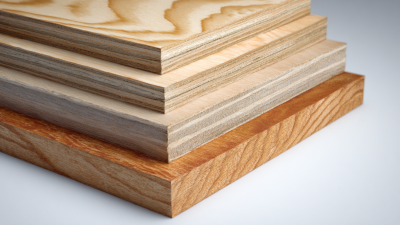
When selecting structural plywood, understanding key specifications is essential. Structural plywood is often defined by its strength, durability, and load-bearing capacity. Key standards include the Grade of the plywood, often denoted as A, B, C, or D. Each grade corresponds to the quality of the surface and the strength characteristics.
Performance specifications such as shear strength and modulus of elasticity are also critical. These parameters ensure that the plywood can withstand the stresses it will face in construction. It’s important to consider the thickness and type of adhesive used. This affects both the strength and moisture resistance of the plywood.
Additionally, regional standards can influence the choice of structural plywood. Variations exist between different countries and regions. Buyers should be aware of these differences and how they relate to their specific project needs. Researching local building codes can provide insight into these specifications. Testing for compliance is necessary in many markets, ensuring the plywood meets safety guidelines. These complexities may seem daunting, but they are crucial for making informed purchasing decisions.
Comparative Analysis of Plywood Types: Hardwood vs. Softwood
When considering plywood for construction or furniture, understanding the differences between hardwood and softwood is key. Hardwood plywood generally comes from deciduous trees like oak and maple. It tends to be denser and more durable. This makes it suitable for high-impact applications and furniture that needs longevity. However, hardwood can also be more expensive. Its weight and toughness can lead to challenges in handling and installation.
Softwood plywood, sourced from coniferous trees such as pine and spruce, is lighter and typically more affordable. It is easier to work with, making it a popular choice for DIY projects and temporary structures. However, it may not provide the same level of durability as hardwood. This difference can influence the longevity of the product in specific applications. Some might find softwood prone to dents and scratches more quickly than hardwood. It’s essential to weigh these factors when making a selection.
Buyers should also consider the environmental impact of their choice. Sustainable sourcing is increasingly important. Seek out certified products to ensure responsible forestry practices. Balancing cost, durability, and sustainability can be challenging but necessary for long-term satisfaction. Each type has its drawbacks, making informed choices vital for successful projects.
Sourcing Strategies: Top Global Suppliers of Structural Plywood
Sourcing structural plywood can be challenging. Global buyers need to navigate a diverse landscape of suppliers. Understanding the market is crucial. Knowing where to find trustworthy suppliers can save time and resources.
Identify reliable regions known for quality plywood. Countries like Canada, New Zealand, and Brazil have established reputations. Research local regulations and certifications. This step ensures compliance and quality assurance. Engaging with regional trade shows or online platforms can help. Connect with suppliers directly to build relationships and negotiate better terms.
Buyers should be cautious of evolving market dynamics. Prices can fluctuate based on demand and environmental factors. It’s essential to stay updated on trends and changes in the industry. By assessing multiple suppliers, buyers can compare quality and pricing. This reflection might reveal gaps in expectations versus reality. Balancing cost with quality requires thorough consideration and ongoing evaluation.
2026 Best Structural Plywood Buying Guide: Global Market Overview
Environmental Impact and Sustainability Practices in Plywood Production
The environmental impact of plywood production is significant. Many procedures in this industry can lead to deforestation. In efforts to combat this, sustainable practices are gaining traction. Forest certification programs promote responsible logging. This ensures that trees are harvested in ways that protect the ecosystem.
Recycling and repurposing wood waste are essential practices. This minimizes landfill contributions and reduces the need for new raw materials. Water usage during plywood production also needs attention. Excessive water consumption can lead to local shortages. Companies are investing in technologies that recycle water, ultimately lowering their environmental footprint.
Despite these advancements, challenges remain. Not all producers adhere to sustainability standards. Monitoring compliance is complex and often inconsistent. As a result, consumers play a crucial role in demanding transparency. Ethical choices can drive the industry towards greener practices. Making informed choices leads to a healthier environment for everyone.
2026 Best Structural Plywood Buying Guide for Global Buyers
| Plywood Type |
Thickness (mm) |
Environmental Certification |
Source Region |
Sustainability Practices |
| Marine Plywood |
12 |
FSC Certified |
Southeast Asia |
Use of Reclaimed Wood |
| Structural Plywood |
18 |
PEFC Certified |
North America |
Sourced from Sustainable Forests |
| Birch Plywood |
15 |
EU Ecolabel |
Northern Europe |
Carbon Neutral Production |
| Film Faced Plywood |
21 |
SFI Certified |
Asia-Pacific |
Responsible Sourcing |
| Laminated Veneer Lumber |
24 |
FSC Certified |
South America |
Reduced Waste Production |