2026 Best Waterproof Plywood Options for Your Next Project?
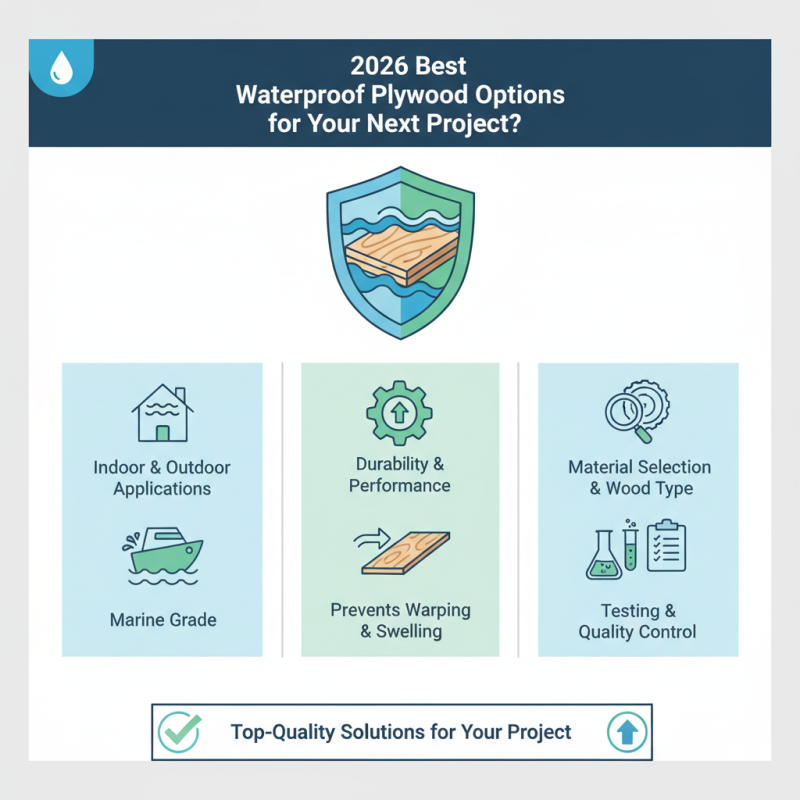
In the realm of construction and design, selecting the right materials is crucial for durability and performance. Waterproof plywood stands out as an exceptional choice for various projects. It combines strength with moisture resistance, making it ideal for indoor and outdoor applications. This article explores the best waterproof plywood options available in 2026.
Waterproof plywood delivers reliability under challenging conditions. Its unique construction helps prevent warping and swelling, often caused by moisture exposure. However, not all waterproof plywood is created equal. Some products may lack the promised durability despite a high price tag. This can lead to dissatisfaction and financial loss.
Choosing the right waterproof plywood requires careful consideration. You must assess the manufacturing process and the type of wood used. Furthermore, testing a sample before committing to a large order can save you from future headaches. With the right knowledge, you can ensure your next project benefits from top-quality waterproof plywood solutions.
What is Waterproof Plywood and Why is it Important for Projects?
Waterproof plywood is a specialized material that offers enhanced resistance to moisture and humidity. This feature makes it essential for various projects, especially in areas prone to water exposure. Construction in kitchens, bathrooms, or outdoor settings greatly benefits from waterproof plywood. It helps prevent warping, swelling, and decay, which can occur when wood is subjected to wet conditions.
Using waterproof plywood can also improve the longevity of your structures. Ordinary plywood can be a risk in damp environments. Even a small leak can lead to significant damage over time. By choosing waterproof options, you make a smart investment. However, it’s crucial to understand that not all waterproof plywood is created equal. Quality can vary, and the wrong choice can still lead to problems.
Many people overlook these details. They assume that any plywood will suffice, only to face issues later. It's easy to underestimate the importance of appropriate materials. Take time to research and assess your options. A well-informed decision can save you from costly repairs and frustrations down the road.
Types of Waterproof Plywood: Marine, Exterior, and Interior Options
When choosing waterproof plywood, it’s crucial to understand the different types available: marine, exterior, and interior options. Marine plywood is designed for extreme moisture exposure, making it ideal for boats and docks. It uses high-quality adhesives and durable veneers. Research indicates that marine plywood can resist delamination and swelling for years, which is why it remains a top choice for water-related projects.
Exterior plywood is also waterproof but is typically used for outdoor structures. This type of plywood is treated to withstand harsh weather but may not match marine-grade longevity. For example, according to the Plywood Association, exterior plywood can last over 15 years with proper care. This makes it suitable for sheltered porches, siding, and roofing applications.
Interior waterproof plywood is less common, but it has its place. It’s usually used in environments with high humidity, such as bathrooms. While it offers moderate protection against moisture, it’s not recommended for exposure to direct water sources.
Tip: Always consider the specific conditions your plywood will face. For lasting results, invest in higher-grade options. Don’t overlook edge sealing, which improves moisture resistance on all types of plywood. Make a thoughtful choice based on your project’s needs to avoid costly mistakes.
2026 Best Waterproof Plywood Options for Your Next Project
| Type |
Description |
Water Resistance |
Common Uses |
Thickness (inches) |
| Marine Plywood |
Designed for high moisture environments, resistant to rot and decay. |
Excellent |
Boat building, docks, and outdoor furniture. |
5/8 - 1 |
| Exterior Plywood |
Made with waterproof glue, suitable for outdoor construction. |
Good |
Sheds, outdoor structures, and framing. |
1/2 - 3/4 |
| Interior Waterproof Plywood |
Suitable for areas with high humidity but not direct moisture. |
Moderate |
Kitchens, bathrooms, and other high-moisture interiors. |
1/2 - 3/4 |
| Phenolic Plywood |
Coated with a phenolic resin for high durability and moisture resistance. |
Excellent |
Industrial applications, exterior use, and formwork. |
3/8 - 1 |
Key Features to Look for in Quality Waterproof Plywood
When selecting waterproof plywood, consider its durability and composition. High-quality plywood often has multiple layers, providing strength and resistance. Look for a thickness that suits your project needs. Thicker panels can withstand more wear and tear, making them ideal for heavy-duty applications.
Tip: Always check the manufacturer's specifications. Each type of plywood can have different waterproof ratings. This impacts its performance in wet conditions.
Pay attention to the adhesive used in the plywood. Waterproof glue ensures that the layers bond tightly. Proper bonding prevents delamination in moist environments. Choosing plywood with a higher proportion of marine-grade adhesives offers additional protection.
Tip: Examine the edges. A well-sealed edge reduces water absorption. This small detail can extend the life of your plywood significantly.
Remember, not all waterproof plywood is created equal. Some options may still warp or swell over time. It's essential to weigh the pros and cons of each type based on your specific project. Adjust your expectations accordingly, as even high-quality plywood might fail under extreme conditions.
Waterproof Plywood Options Analysis
Top Manufacturers and Brands for Waterproof Plywood in 2026
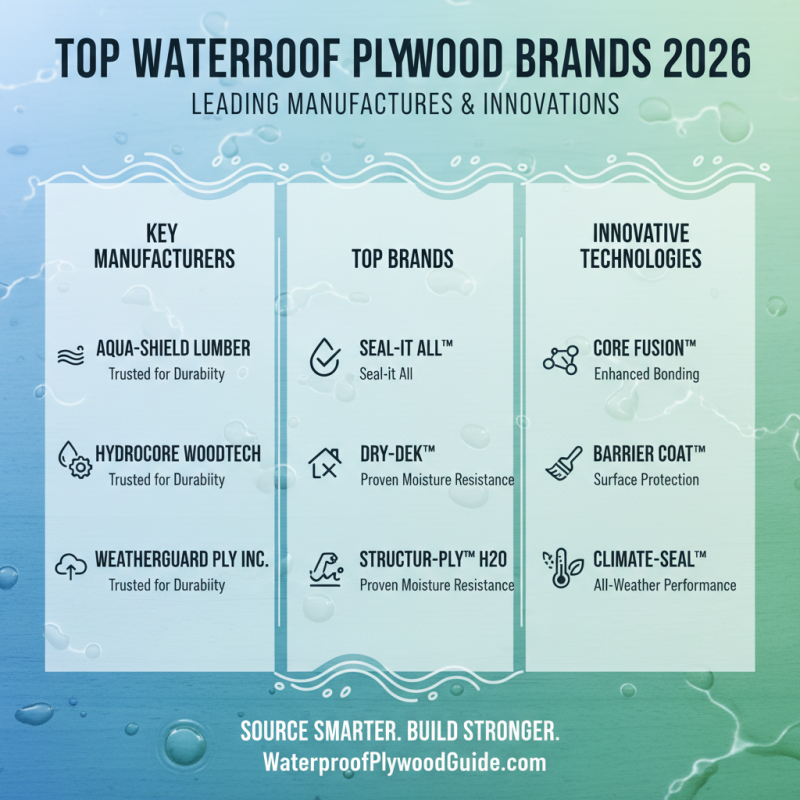
When it comes to finding the best waterproof plywood options for your next project in 2026, understanding the top manufacturers and brands can significantly enhance your selection. Many trusted manufacturers focus on producing high-quality, durable plywood that withstands moisture and varied weather conditions. Researching their products often reveals advanced technologies that ensure water resistance while maintaining structural integrity.
Consider these tips when choosing your waterproof plywood. First, always check for certifications. Products that meet recognized standards often provide better reliability. Also, review customer feedback. Real-world experiences can guide you toward the most dependable options available.
Furthermore, it's essential to evaluate the intended use of the plywood. Different projects may require varying levels of water resistance. Reflect on the specific conditions your plywood will face. This careful consideration can help avoid issues down the line, ensuring you select the best product for your needs.
Application Ideas for Waterproof Plywood in Various Projects
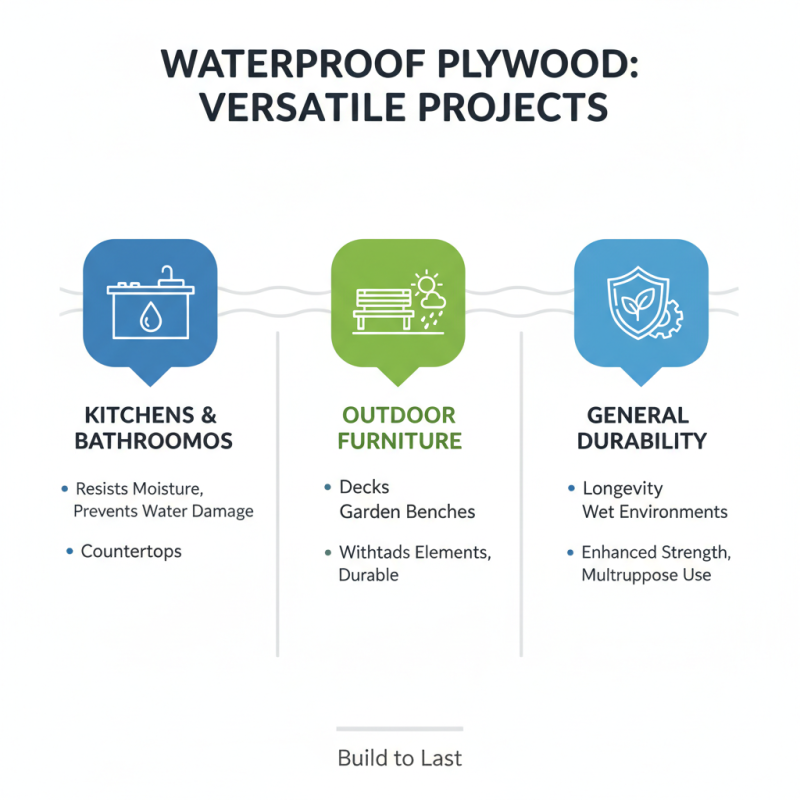
Waterproof plywood is a versatile material that thrives in various project applications. In kitchens and bathrooms, it resists moisture well. Using it for cabinetry or countertops can prevent water damage. This choice enhances durability and longevity in wet environments. Outdoor furniture is another great application. Waterproof plywood can withstand the elements, making it ideal for decks and garden benches.
Consider building sheds or storage solutions with waterproof plywood. Its resistance to rot and decay ensures your items stay safe. However, despite its many strengths, proper sealing is still essential for maximum protection. Some users underestimate the need for a good finish, which can lead to issues over time. Understanding this balance is crucial for project success.
Craftsmanship is key when working with this material. Each cut and joint impacts the overall outcome. Mistakes in installation can compromise the waterproof qualities. Therefore, careful planning and execution are vital. Learning from past experiences can help improve future projects. Using waterproof plywood thoughtfully can lead to highly functional and long-lasting results.