What is the Best Hardwood Plywood for Global Buyers?
In today's global marketplace, choosing the right Hardwood Plywood can be challenging. Expert Jamie Thompson, a leading figure in the plywood industry, emphasizes, "Quality Hardwood Plywood can redefine any project." This statement reflects the importance of selecting the best materials.
Different types of Hardwood Plywood suit various needs, each with unique characteristics. Some options excel in durability, while others shine in aesthetics. For instance, oak plywood is popular for its strength and design versatility. However, sourcing quality plywood remains a concern. Global buyers often face inconsistencies in quality and availability.
As you navigate this market, consider your specific requirements. Look for trusted suppliers who prioritize quality and sustainability. The perfect choice in Hardwood Plywood can elevate your work but may require diligent research and reflection. Emphasizing reliability in sourcing will ensure success in your projects.
Types of Hardwood Plywood and Their Characteristics
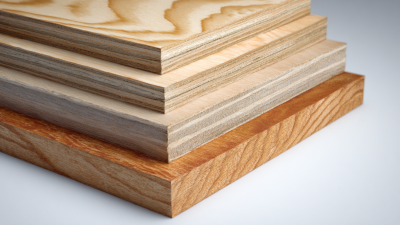
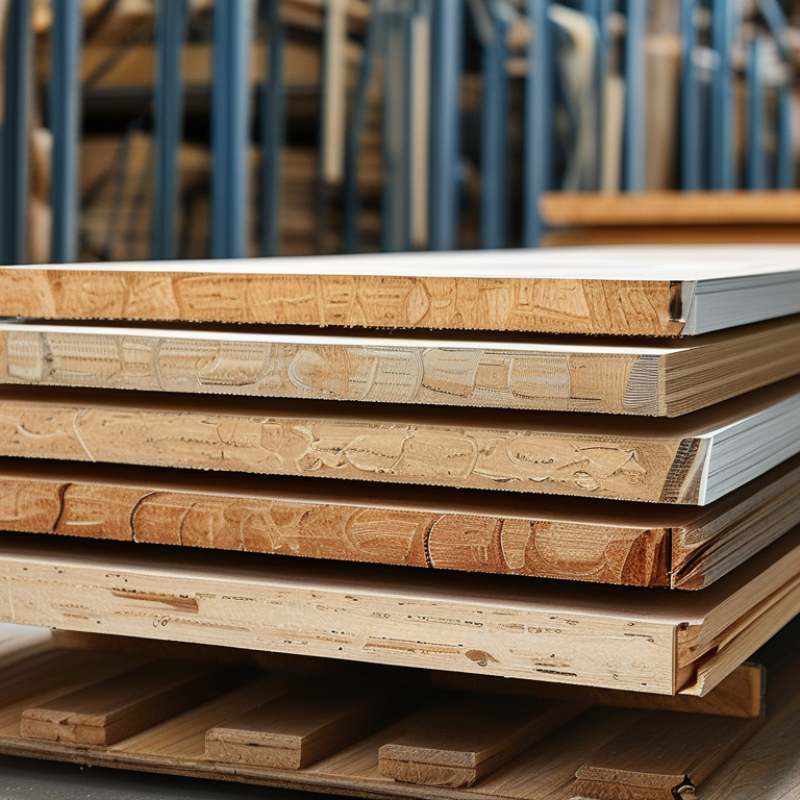
When exploring hardwood plywood, several types stand out, each with unique characteristics. For instance, birch plywood is known for its durability and fine grain. It often suits modern furniture designs, given its stability. Oak plywood, on the other hand, has a natural resistance to wear. It is ideal for cabinetry, where longevity is crucial. According to industry reports, birch and oak plywood account for around 40% of the global market share.
Another popular option is maple plywood. Its light color and smooth texture make it highly desirable for interior applications. Additionally, cherry plywood is favored for its rich hue, which deepens over time. It's often used in high-quality finishes and luxury products. However, the cost can be a deterrent for budget-conscious buyers. Data from the market analysis reveals that many buyers opt for softwood alternatives when tight on budget, sometimes compromising on durability.
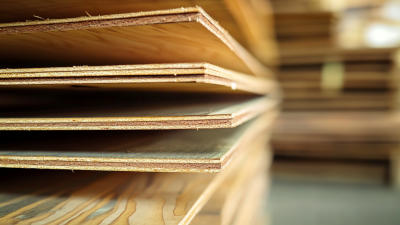
**Tips:** When choosing plywood, consider the intended use. Always check for physical properties like thickness and void content. Ensure the grade meets your project standards. Remember, some plywood types require careful finishing to avoid issues down the line. It’s essential to balance cost with quality to avoid future regrets.
Hardwood Plywood Types and Their Popularity Among Global Buyers
Key Considerations for Global Buyers of Hardwood Plywood
When looking for hardwood plywood, global buyers must consider various factors. The type of wood is paramount. Different species have unique characteristics. For example, oak offers strength, while birch is known for its fine grain. The choice impacts aesthetics and durability.
Another key aspect is the plywood's grade. Higher grades have fewer defects and a smoother finish. This is crucial for high-end products. However, lower grades can be more cost-effective for certain applications. Buyers should evaluate their specific needs carefully.
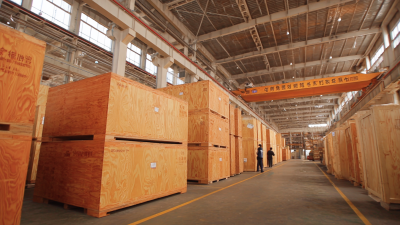
Sourcing is equally important. Depending on the region, availability and pricing vary. Shipping costs can also influence decisions. It's essential to assess conditions like humidity and temperature during transportation. These factors affect the plywood's integrity. Ultimately, paying attention to these details ensures a better purchasing experience.
Leading Manufacturers and Suppliers of Hardwood Plywood
When choosing hardwood plywood, global buyers often seek reliable manufacturers and suppliers. The hardwood plywood market is projected to reach $63 billion by 2027, driven by increasing demand in construction and furniture sectors. Key regions include North America and Asia-Pacific, with suppliers focusing on sustainable sourcing practices.
Leading manufacturers emphasize quality and consistency in their products. They utilize advanced techniques to enhance durability and appearance. Many suppliers invest in certification systems, ensuring their plywood meets strict environmental standards. Industry reports suggest that around 70% of buyers prioritize eco-friendly options when selecting suppliers. This trend reflects a growing awareness of sustainability in the industry.
Tips: Always verify the certifications of your suppliers. Ask for samples before making large orders. Prioritize companies with positive reputations, as this can lead to better long-term relationships. Pay attention to specific details, such as grain patterns and surface quality, which can affect the final product.
Applications and Uses of Hardwood Plywood in Various Industries
Hardwood plywood holds significant value across various industries, emphasizing its versatility and durability. In furniture making, designers frequently choose hardwood plywood for its aesthetic qualities. Its smooth surface is ideal for veneers and laminates, showcasing rich colors and patterns. Many furniture pieces blend style with functionality, highlighting the craftsmanship involved.
In the construction sector, hardwood plywood is used for structural applications. Its strength and stability make it a popular choice for wall panels, flooring, and cabinetry. However, some buyers underestimate the importance of sourcing high-quality plywood. Not all products are created equal, and inconsistencies in thickness can lead to issues during installation. Recognizing the differences can save time and resources.
The automotive industry also utilizes hardwood plywood. It is commonly found in vehicle interiors, providing both comfort and luxury. Manufacturers often seek lightweight yet strong materials to enhance performance. Nonetheless, the environmental impact of sourcing hardwood must not be overlooked. Sustainable practices should guide procurement decisions to ensure long-term viability for both industry and ecology.
Sustainability Factors in Sourcing Hardwood Plywood Worldwide
Sourcing hardwood plywood involves considering sustainability factors that affect global buyers. The ecological impact of harvesting trees is significant. Many woodland areas face deforestation, leading to habitat loss. It is crucial to choose plywood from responsibly managed forests. Certification from environmental organizations assures consumers of sustainable practices.
Additionally, buyers must reflect on transportation emissions. Shipping plywood across long distances contributes to carbon footprints. Local sourcing can mitigate these emissions. However, accessibility and quality should still be prioritized. A balance between local products and global standards is essential.
Transparency in supply chains is another issue. Buyers should seek suppliers who provide clear information about sourcing practices. Questions about the origins of materials can reveal potential weaknesses in sustainability claims. Continuous evaluation of these practices is vital for lasting impact.
What is the Best Hardwood Plywood for Global Buyers? - Sustainability Factors in Sourcing Hardwood Plywood Worldwide
| Wood Type |
Sourcing Region |
Sustainability Certification |
Recycled Content (%) |
Carbon Footprint (kg CO2eq/m³) |
| Birch |
Eastern Europe |
FSC |
15% |
450 |
| Maple |
North America |
PEFC |
10% |
400 |
| Oak |
United States |
FSC |
12% |
500 |
| Teak |
Southeast Asia |
FSC |
5% |
600 |
| Ash |
North America |
SFI |
20% |
420 |