Choosing the right China Film Faced Plywood manufacturer requires more than comparing online prices. Buyers must examine production experience, core quality, surface performance, and delivery reliability. A polished product image can hide uneven veneers, weak bonding, or inconsistent thickness. Real evaluation begins with factory evidence.
This guide introduces ten notable China Film Faced Plywood manufacturers for construction, concrete formwork, scaffolding, and furniture applications. It considers manufacturing capacity, quality-control procedures, film durability, edge sealing, and customization options. Important details include panel dimensions, thickness tolerance, formaldehyde emissions, adhesive type, and weather resistance. These factors affect whether plywood survives repeated concrete pours or fails after one difficult project.
No ranking is perfect.
Supplier performance may change by factory, batch, and contract terms. A manufacturer with strong export experience may still have slow communication during peak seasons. Another may offer excellent samples but inconsistent mass production. That is why buyers should request recent test reports, production photos, sample panels, and clear warranty terms. Independent inspection can provide additional confidence before shipment.
The selected companies are discussed from a practical purchasing perspective. Their strengths, limitations, product ranges, and likely applications receive balanced attention. Readers should also verify certifications and technical claims directly with each supplier. Standards differ across markets, and outdated information can mislead even experienced buyers. Careful comparison remains essential. This article aims to support informed sourcing decisions, not replace factory audits or professional engineering advice.
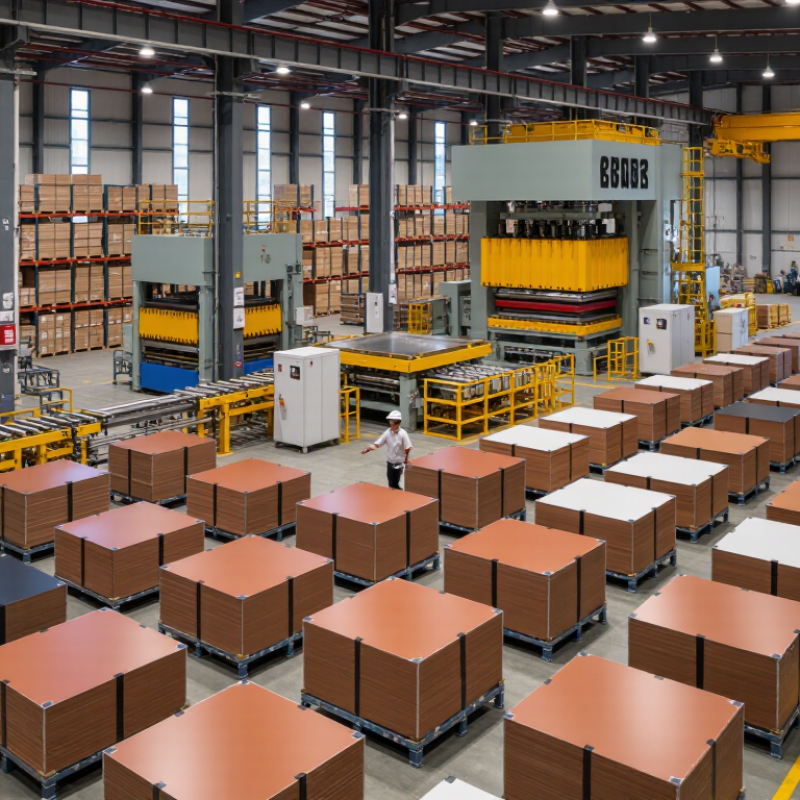
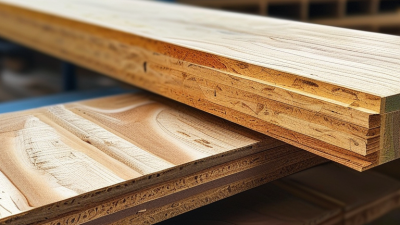
China film faced plywood is an engineered wood panel made from thin veneers bonded under heat and pressure. Its surfaces are covered with a water-resistant phenolic film. This dark, smooth coating helps create cleaner concrete faces and reduces moisture absorption during formwork use. The phrase “China” describes its manufacturing origin, not a single quality level. Quality varies.
In practice, workers use this plywood for concrete molds, floors, wall panels, and other demanding construction applications. A reliable panel usually has balanced veneers, a firm core, sealed edges, and consistent thickness. When handled carefully, it can often be reused across several pours. However, reuse depends on pressure, weather, cutting, cleaning, and storage conditions. Edges matter.
Buyers should inspect the panel rather than trust appearance alone. Look for flatness, uniform film coverage, tight bonding, and minimal core gaps along the cut edge. Ask for production details, test reports, formaldehyde information, and applicable project compliance documents. A strong-looking surface can hide weak internal bonding. It is not waterproof forever. Poor storage can cause swelling within days. From practical experience, stacking panels flat and keeping them away from standing water makes a noticeable difference. Still, no inspection method is perfect, and performance claims should be checked against real project results.
Selecting the top ten Chinese film faced plywood manufacturers requires more than searching export lists. The process begins with verifiable evidence, factory experience, and consistent product performance. We review operating history, production scale, and experience with construction panels. Factory visits add useful detail: clean veneer storage, calibrated presses, and clearly labeled batches. Small details matter.
Technical checks focus on core quality, panel thickness, surface smoothness, and film adhesion. Inspectors compare several production batches, not one polished sample. They measure dimensional tolerance, moisture content, bonding strength, and edge sealing. Testing records are checked against recognized international requirements and the buyer’s project specifications. We also examine quality-control procedures, traceability, worker training, and corrective-action records. A reliable supplier can explain what happened when a batch failed.
Commercial evidence matters too. We assess delivery history, production capacity during peak periods, export documentation, and communication speed. Independent customer references help confirm whether stated performance continues after shipment. Price alone carries little weight, because cheap panels may create costly formwork delays. The selection is not perfect. Public data can be incomplete, and factory conditions may change after an audit. For that reason, the final list combines current evidence, repeat sampling, and professional judgment rather than promotional claims. Manufacturers are also compared by fit, since a supplier suited to bridge work may not suit residential projects.
Top 10 China Film Faced Plywood Manufacturers
These profiles examine ten China-based manufacturers through practical production criteria. The review considers factory experience, technical control, product consistency, and export reliability. Experienced producers usually maintain stable veneer thickness, calibrated pressing cycles, and careful core grading. Their teams should explain film weight, resin type, panel tolerance, and edge-sealing methods clearly. Vague answers deserve attention.
One manufacturer may focus on lightweight poplar cores for easier handling. Another may produce denser hardwood panels for repeated concrete use. Several profiles highlight panels between 12 and 18 millimeters, with phenolic films designed for smoother formwork surfaces. Buyers should check film adhesion, screw-holding strength, moisture control, and visible core gaps. Small details matter. A clean edge can reduce water entry during busy construction work.
The strongest profiles include batch records, laboratory reports, and samples from current production. They also describe packaging, container loading, replacement procedures, and communication after shipment. However, published capacity is not always equal to dependable capacity. That point needs reflection. Seasonal demand, veneer supply, and subcontracted processing can affect delivery consistency. Independent inspection remains useful, especially for large orders. Buyers should compare test results with actual samples and confirm standards required in their destination market. Some manufacturers appear technically capable but provide limited evidence. That weakness should remain part of the evaluation.
| Profile | Main Manufacturing Region | Typical Thickness | Common Panel Sizes | Core Construction | Film Weight Options | Adhesive Options | Edge Treatment | Typical Applications | Common Export Markets |
|---|---|---|---|---|---|---|---|---|---|
| Manufacturer Profile 01 | Shandong, China | 12–21 mm | 1220 × 2440 mm; 1250 × 2500 mm | Poplar or mixed hardwood veneer; multi-ply construction | 120–240 g/m² phenolic film | MR, E1, and exterior-grade phenolic systems | Four-side acrylic or waterproof edge sealing | Concrete formwork, wall panels, temporary flooring | Europe, the Middle East, Southeast Asia |
| Manufacturer Profile 02 | Jiangsu, China | 15–21 mm | 1220 × 2440 mm; 1500 × 3000 mm | Hardwood veneer with calibrated face and back layers | 120–220 g/m² phenolic film | WBP phenolic resin and melamine-modified resin | Sealed edges with optional colored coating | High-rise construction, bridge decks, commercial formwork | Australia, North America, the Middle East |
| Manufacturer Profile 03 | Guangxi, China | 12–18 mm | 1220 × 2440 mm; 915 × 1830 mm | Fast-growing eucalyptus or mixed hardwood core | 120–180 g/m² film | Moisture-resistant and exterior-grade bonding systems | Painted or sealed edges | Residential construction, slabs, columns, and foundations | Southeast Asia, Africa, South America |
| Manufacturer Profile 04 | Henan, China | 9–21 mm | 1220 × 2440 mm; 1250 × 2500 mm | Poplar veneer core with balanced cross-banding | 120–240 g/m² film | MR, E0/E1, and WBP adhesive grades | Water-resistant edge coating | Interior formwork, furniture protection, and site partitions | Central Asia, Europe, the Middle East |
| Manufacturer Profile 05 | Hebei, China | 12–21 mm | 1220 × 2440 mm; 1250 × 2500 mm | Mixed hardwood and poplar veneer combination | 120–240 g/m² smooth or textured film | WBP phenolic resin for exterior applications | Four-side sealed edges | Reusable concrete forms, beams, columns, and foundations | Europe, North Africa, the Middle East |
| Manufacturer Profile 06 | Fujian, China | 15–25 mm | 1220 × 2440 mm; 1500 × 3000 mm | Hardwood veneer with high-density inner plies | 160–240 g/m² phenolic film | Exterior-grade WBP phenolic adhesive | Sealed, sanded, and beveled edges available | Heavy-duty formwork, infrastructure, and marine-related construction | Southeast Asia, Australia, the Middle East |
| Manufacturer Profile 07 | Hunan, China | 12–21 mm | 1220 × 2440 mm; 1250 × 2500 mm | Poplar, eucalyptus, or mixed hardwood core | 120–220 g/m² film | Melamine-enhanced and WBP bonding systems | Waterproof edge sealing | Housing projects, municipal construction, and general formwork | Africa, South America, Southeast Asia |
| Manufacturer Profile 08 | Shanxi, China | 9–18 mm | 1220 × 2440 mm; 915 × 1830 mm | Poplar veneer with lightweight multi-ply structure | 120–180 g/m² film | MR and exterior-grade resin options | Basic sealed or painted edges | Light construction, packaging bases, and temporary protection | Central Asia, Eastern Europe, domestic projects |
| Manufacturer Profile 09 | Jiangxi, China | 12–21 mm | 1220 × 2440 mm; 1250 × 2500 mm | Eucalyptus and hardwood veneer with durable face layers | 120–240 g/m² film | WBP phenolic and low-emission adhesive options | Painted edges with optional color coding | Infrastructure projects, retaining walls, and concrete slabs | South Asia, Southeast Asia, Africa |
| Manufacturer Profile 10 | Zhejiang, China | 15–21 mm | 1220 × 2440 mm; 1500 × 3000 mm | Selected hardwood veneer with reinforced cross-ply structure | 160–240 g/m² smooth film | Exterior-grade WBP phenolic resin | Four-side waterproof coating and edge inspection | Large-scale commercial construction and repeated-use formwork | North America, Europe, Australia, the Middle East |
When evaluating China’s top ten film faced plywood manufacturers, product quality starts with the panel structure. Experienced factories control veneer thickness, core gaps, moisture, and glue spread at every stage. Good panels have smooth black or brown film, sealed edges, and stable dimensions after repeated concrete use. Small defects matter. A single open core can weaken an entire formwork system.
Certifications provide useful evidence, but they need careful checking. Look for ISO 9001 quality systems and ISO 14001 environmental management records. For export projects, verify formaldehyde compliance with CARB Phase 2 or EPA TSCA Title VI requirements. Test reports should show the laboratory, product thickness, emission values, and testing date. Certificates can expire. That detail is often missed.
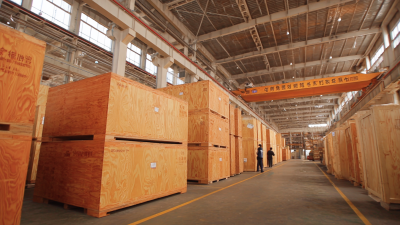
Production capability separates reliable manufacturers from simple traders. Strong facilities usually operate veneer peeling lines, controlled drying rooms, automatic glue spreaders, hot presses, trimming machines, and sanding lines. Ask about daily output, pressing temperature, film weight, and available sizes. Request recent samples from different production batches. Results may vary slightly, even in disciplined plants. Factory visits, batch traceability, and independent bond-strength testing create stronger evidence than catalog claims. A perfect sample is not enough. Reliability comes from repeatable performance, honest records, and a willingness to correct weak points.
When comparing the top 10 China film faced plywood manufacturers, examine their main applications first. This plywood suits concrete formwork, bridge construction, truck floors, and reusable packaging. Its smooth film reduces concrete adhesion and helps produce cleaner surfaces. For furniture or indoor projects, standard panels may be more suitable. Film faced plywood is built for tougher work.
Pricing depends on more than sheet size. Core wood species, thickness, film weight, glue type, and pressing temperature affect the quotation. Birch or hardwood cores usually cost more than poplar cores. Higher film weight can improve wear resistance, but it also raises the price. Freight, export packing, order volume, and seasonal timber costs matter too. A low quote may hide thinner cores or weaker edge sealing.
Buyers should request samples before approving large orders. Check thickness, flatness, surface bubbles, core gaps, and screw-holding strength. Ask for production photos, test records, and clear replacement terms. Confirm tolerances in writing. A sample can look excellent, yet bulk panels may vary. That risk deserves attention. Compare delivered cost, not only factory price. Also review moisture protection for container transport, especially during long rainy-season routes. Sometimes, paying slightly more for stable quality prevents costly formwork delays.