How to Choose the Best Hardwood Plywood for Your Project?
When embarking on a woodworking project, selecting the right hardwood plywood can make all the difference. Expert woodworker John Smith emphasizes, "The quality of your plywood can elevate your work from average to extraordinary." This statement underlines the importance of making careful choices in materials.
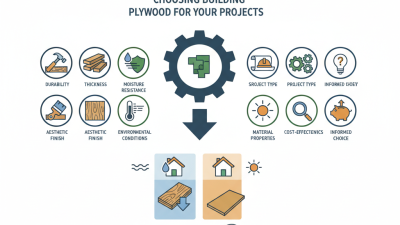
Hardwood plywood is renowned for its durability and aesthetic appeal, but the variety can overwhelm even seasoned craftsmen. Each type offers unique benefits; for instance, some provide excellent finishing properties while others are more versatile in applications. Woodworkers must consider factors such as grain, thickness, and the specific project requirements.
Moreover, understanding hardwood plywood's certifications and grading systems is crucial. Not all products labeled as hardwood plywood meet the same standards. Being discerning is vital to ensure reliability in your final product. Ultimately, the right choice enhances not just the appearance of the project but its longevity.
Understanding Different Types of Hardwood Plywood Available in the Market
When selecting hardwood plywood for your next project, understanding the various types available is crucial. Generally, hardwood plywood is categorized into three main types:
A-grade,
B-grade, and
C-grade.
A-grade is often the finest, featuring minimal imperfections. It is perfect for projects where appearance matters, such as furniture and cabinetry. However, A-grade plywood can be more expensive, which may not suit every budget.
B-grade plywood offers a balance between quality and cost. It contains some minor defects but still maintains a good overall appearance. This type is commonly used for projects requiring durability without a focus on aesthetic perfection.
C-grade plywood tends to have more visible flaws, making it suitable for hidden applications, like structural support. While it might save costs, it's essential to consider how those imperfections could affect your project.
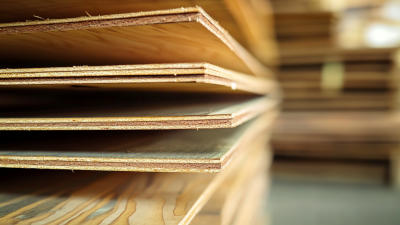
Finally, consider the thickness of the plywood. Thicker sheets provide more strength but can be heavier and harder to work with. Each type has its own pros and cons.
Take time to reflect on your specific needs before making a decision. Sometimes, what seems like a small choice can lead to significant ramifications in your project.
Evaluating the Quality and Grading of Hardwood Plywood
When evaluating the quality and grading of hardwood plywood, it's crucial to understand the grading systems. Wood species, defects, and overall appearance influence grading. Common grades include A, B, C, and D. Grade A represents high quality with minimal imperfections. Grade D may have more defects, affecting durability.
A report by the American Plywood Association indicates that over 50% of consumers prefer Grade A plywood for visible projects. This grade has a smooth finish suitable for cabinetry and furniture. Consumers often overlook the importance of interior layers. Plywood with voids or gaps in layers can diminish strength and stability.
Appearance is essential, but consider other factors. The plywood's stability under humidity changes is vital in some environments. A key report states that high-quality plywood withstands moisture better, reducing warping. Weigh these aspects carefully to make the best choice for your project.
Hardwood Plywood Quality Evaluation
Selecting the Right Thickness and Size for Your Specific Project
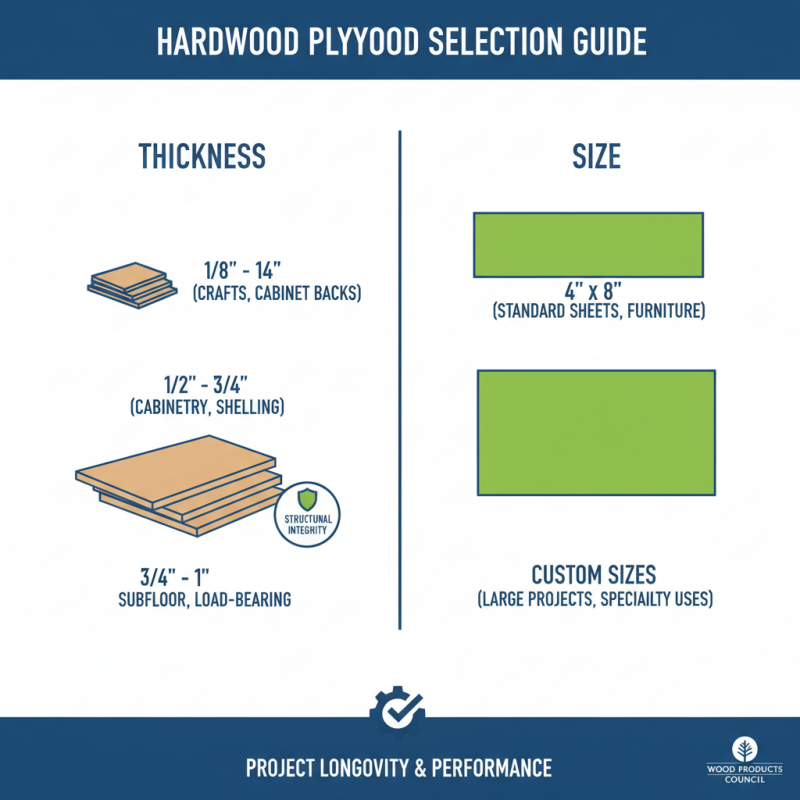
Selecting the right thickness and size for hardwood plywood is crucial for any project. Understanding your project’s requirements can help ensure longevity and performance. For instance, common thicknesses for plywood range from 1/8 inch to 1 inch. A study by the Wood Products Council highlights that using the correct thickness can improve structural integrity. A thinner sheet may suffice for cabinetry, but thicker panels are essential for load-bearing applications.
Size is just as critical. Standard plywood sheets typically measure 4 feet by 8 feet. However, custom sizes are often necessary. Projects requiring specific dimensions, such as furniture or cabinetry, may call for tailored cuts. Reports show that 30% of wasted materials stem from incorrect sizing. Proper planning can reduce scrap and costs, emphasizing the need for detailed measurements before cutting.
Thickness and size are interconnected. A thicker panel can provide better stability but may not be suitable for all applications. Reflecting on your project’s needs is essential. Make a checklist of requirements, considering factors like weight distribution and aesthetic appeal. Ultimately, ensuring the right balance between thickness and size requires careful thought and sometimes trial and error in design.
Comparing Price Points and Budgeting for Hardwood Plywood
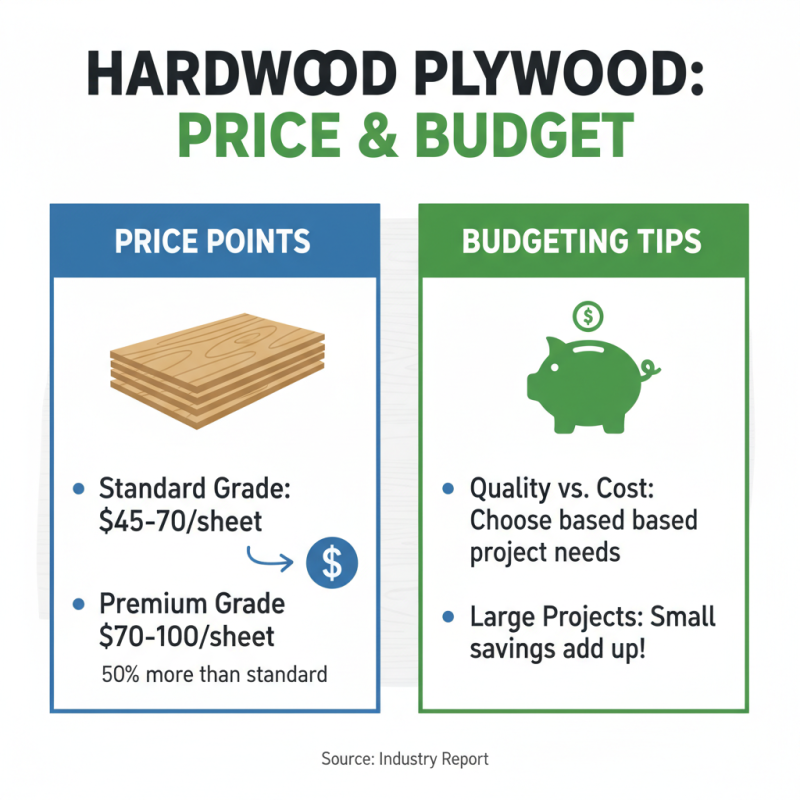
When budgeting for hardwood plywood, the price can significantly vary based on quality and type. A recent industry report shows that premium grades can cost up to 50% more than standard options. This translates to a price range of $45 to $100 per sheet, depending on the grain and thickness. For larger projects, even a small price difference can add up quickly.
Consider the characteristics that affect pricing, such as durability and finish. A thicker sheet may be necessary for cabinetry but also demands a higher budget. On average, construction budgets allocate about 10% for materials like plywood. However, if your project aims for longevity, investing wisely now could pay off later.
While staying within budget is crucial, there may be times when cutting costs leads to poor decisions. Selecting a lower-grade plywood might save money upfront but can result in issues like warping or splitting later. Balancing quality with budgetary constraints requires careful planning and sometimes, tough choices. What you save today could cost you more tomorrow in repairs or replacements.
Assessing Environmental Impact and Sustainability of Plywood Options
When selecting hardwood plywood, assessing its environmental impact is vital. Sustainable sourcing of wood is essential for protecting our forests. Look for options made from certified wood, ensuring they meet ecological standards. This verification often comes from organizations that evaluate sustainable forestry practices.
Using plywood produced from local forests can significantly lower the environmental footprint. It reduces transportation emissions and supports local economies. However, one must consider the longevity of the plywood. Short-lived materials may contribute more waste over time.
Moreover, pay attention to adhesives used in plywood. Many contain harmful chemicals that can off-gas, affecting indoor air quality. Opting for low-VOC adhesives is a healthier choice for both the environment and your project. This aspect often gets overlooked, yet it influences the overall sustainability of your selection. Balancing beauty, functionality, and eco-friendliness requires careful thought. Reflect on what your project needs and how it fits into a larger ecosystem.
How to Choose the Best Hardwood Plywood for Your Project? - Assessing Environmental Impact and Sustainability of Plywood Options
| Plywood Type |
Environmental Impact |
Sustainability Rating |
Cost per Sheet ($) |
| Birch Plywood |
Low carbon footprint, sourced from sustainable forests |
8/10 |
45 |
| Maple Plywood |
Moderate environmental impact, typically from managed forests |
7/10 |
50 |
| Oak Plywood |
Slightly higher impact due to slower growth rate, but often responsibly sourced |
6/10 |
55 |
| Cherry Plywood |
Lower availability, potential for endangered sourcing due to overharvesting |
5/10 |
70 |
| Reclaimed Wood Plywood |
Very low environmental impact due to recycling |
9/10 |
65 |