Top Waterproof Plywood Options for Global Buyers in 2026?
The demand for waterproof plywood is increasing globally, driven by construction and interior design trends. According to a recent market analysis, the waterproof plywood segment is projected to grow by over 6% annually through 2026. This growth reflects a rising awareness of durability and versatility in building materials.
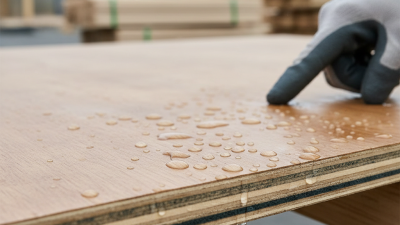
In various industries, waterproof plywood is favored for its ability to withstand moisture. This quality makes it suitable for high-humidity environments like kitchens and bathrooms. Furthermore, manufacturers are innovating to enhance the material's performance. New treatments increase its resistance to decay and warping. Articles from reputable sources indicate that global manufacturers are investing in advanced technologies to meet this rising demand.
However, buyers must navigate a saturated market. Not every option provides the same level of quality, which complicates the decision-making process. Understanding product specifications is crucial. Quality control reports show significant variance among suppliers. Buyers often report challenges in discerning between premium and substandard products. Therefore, making informed choices becomes essential for those seeking reliable waterproof plywood solutions.
Top Characteristics of Waterproof Plywood Essential for Buyers in 2026
When considering waterproof plywood options for 2026, key characteristics become essential for buyers. Durability is critical. High-quality waterproof plywood should resist moisture and rotting. This durability ensures long-lasting performance, especially in humid climates. Thickness also matters. Thicker plywood typically offers better resistance against water intrusion. Proper treatment during production enhances the wood's waterproof capabilities.
It's important to know that not all waterproof plywood is created equally. Some may claim to be waterproof but fail in practice. Evaluate the manufacturing process and materials used. Seek plywood treated with advanced chemical solutions or protective coatings. Also, consider sourcing from trusted suppliers who can provide specifications.
Buyers should pay attention to the maintenance requirements. Waterproof plywood may still need periodic sealing. Regular inspections can prevent hidden damage. Reflect on the application. Will this plywood be exposed to harsh weather? Understanding your needs helps you select the best product. A thoughtful choice now can lead to better outcomes later.
Key Materials Used in Manufacturing High-Quality Waterproof Plywood
Waterproof plywood is essential for various applications. Understanding the key materials used in its manufacturing is vital for quality. High-quality waterproof plywood typically utilizes specific types of wood, adhesives, and treatments to enhance durability.
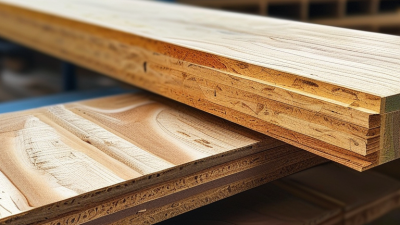
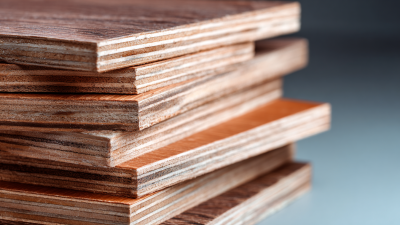
Marine-grade plywood is a popular choice. It consists of several layers of wood bonded with waterproof adhesives. This type of plywood is designed to withstand humidity and moisture exposure. Another important material is phenolic resin. It provides excellent waterproof qualities and enhances overall strength. The combination of these materials results in plywood that can endure harsh weather conditions.
When selecting waterproof plywood, consider the intended use. Different applications may require specific characteristics. Evaluate the thickness and type of wood used in the layers. For exterior applications, thicker plywood with a higher resin content is beneficial. Additionally, always check for certifications that ensure high standards.
Attention to detail matters. Inspect the edges for proper sealing to prevent water infiltration. Understanding these nuances can lead to better choices in waterproof plywood. A minor oversight could result in reduced performance. Keeping these factors in mind ensures a reliable investment in waterproof materials.
Leading Manufacturers of Waterproof Plywood Around the World
In the competitive world of waterproof plywood, several leading manufacturers stand out. Global reports indicate that the market for waterproof plywood is projected to grow at a CAGR of 5.2% from 2026. This growth signals an increasing demand across various sectors, especially in construction and marine applications. Key players are focusing on innovative production techniques to enhance durability and water resistance.
One notable trend is the rise in sustainability practices among manufacturers. Many are investing in eco-friendly materials and processes. This aligns with the ongoing global shift towards environmentally responsible sourcing. As of 2023, around 30% of plywood buyers prioritize sustainable sourcing. However, sourcing quality raw materials remains a challenge for many producers.
The landscape is also marked by regional variations. In Asia-Pacific, rapid urbanization fuels demand, pushing local manufacturers to enhance their capacities. Meanwhile, European brands emphasize compliance with stringent regulations. Yet, issues like inconsistency in quality and rising costs are persistent hurdles. The industry must navigate these challenges to maintain its momentum and meet buyers' expectations effectively.
Emerging Trends in Waterproof Plywood Technology for 2026
In 2026, the waterproof plywood market is evolving with advanced technology and innovative materials. Emerging trends highlight the use of eco-friendly adhesives and sustainable wood sourcing. Reports indicate a 25% increase in demand for waterproof plywood in construction and furniture manufacturing. Manufacturers are also incorporating nanotechnology to enhance water resistance and durability.
Technological development is crucial. Enhanced treatments allow plywood to withstand extreme conditions. Data from industry studies show that products featuring anti-UV coatings have a 30% longer lifespan. This trend aligns with consumer preferences for sustainable and long-lasting materials. Nevertheless, the industry faces challenges in balancing cost and quality.
Consider using waterproof plywood that meets international quality standards. Check for certifications that ensure reliability and performance. Trying multiple options can lead to better choices. Evaluate the weight-to-strength ratio when selecting materials. Custom solutions may provide an edge in specific applications, but require careful assessment for effectiveness.
Sustainability Considerations in the Production of Waterproof Plywood
Waterproof plywood has gained traction among global buyers, especially with a growing focus on sustainability. The production process of waterproof plywood significantly impacts the environment. Many manufacturers are now exploring eco-friendly adhesives to reduce harmful emissions. According to the Forest Stewardship Council, sustainable sourcing of timber can help maintain biodiversity. This is crucial for manufacturers aiming to promote responsible practices.
Recycling and repurposing materials is another area of interest. Industry reports highlight that up to 20% of plywood waste can be recycled into new products. On the other hand, some companies still rely on outdated methods, leading to excess waste. Awareness and innovation are essential for improving these processes.
For buyers, it is wise to inquire about certification labels. Such labels indicate a commitment to sustainable practices. Also, consider the durability of the plywood. Short-lived products may lead to more waste, negating the benefits of using sustainable materials. The long-term impact of choices today shapes the market for waterproof plywood in 2026 and beyond.