What is Waterproof Plywood and Why is it Important for Buyers?
Waterproof Plywood has emerged as a crucial material for various construction and furniture projects. According to a report from Wood Products Manufacturers Association (WPMA), the demand for waterproof plywood is expected to grow by 15% annually. This growth aligns with an increasing need for resilient materials that withstand moisture and environmental challenges. Experts emphasize the importance of choosing the right plywood. John Smith, a leading industry expert, states, "Waterproof plywood is not just an option; it’s a necessity for many applications."
The benefits of waterproof plywood are significant. Its resistance to water damage makes it ideal for bathrooms, kitchens, and outdoor structures. This durability can extend the lifespan of products and reduce maintenance costs. However, it’s essential to recognize that not all waterproof plywood is created equal. Some products might not perform as advertised, leading to potential buyer dissatisfaction. Choosing the right supplier is vital.
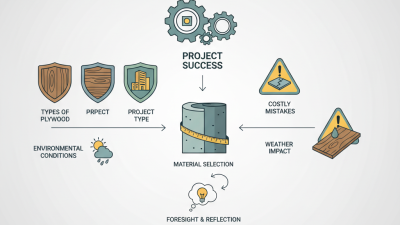
Buyers need to be informed about the different grades and treatments available. Missteps in selection can lead to costly mistakes. Education and awareness are key in this industry. Understanding the specifications and certifications can greatly influence the overall success of projects involving waterproof plywood.
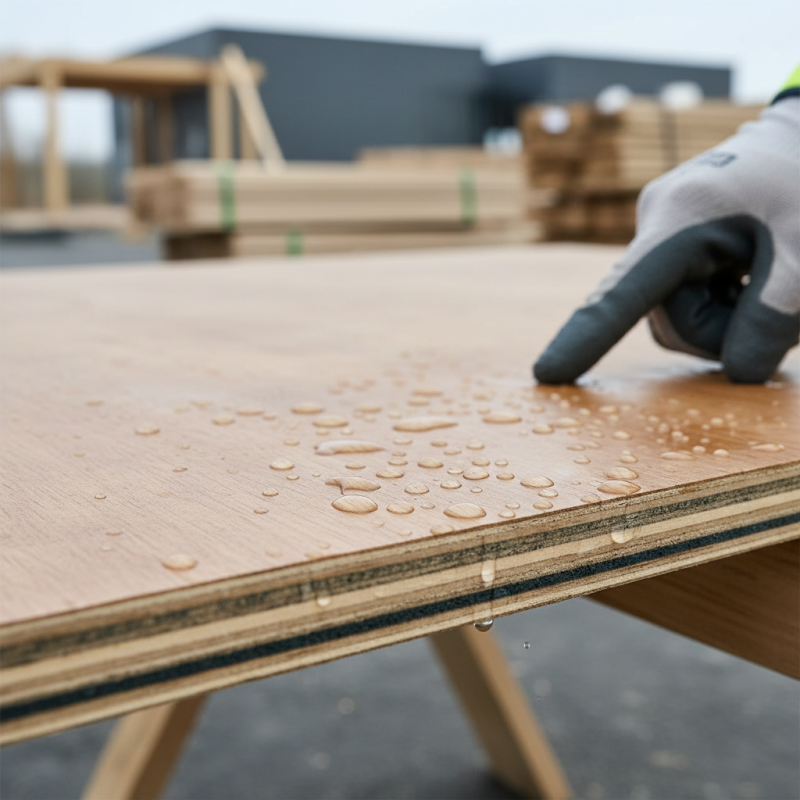
What is Waterproof Plywood?
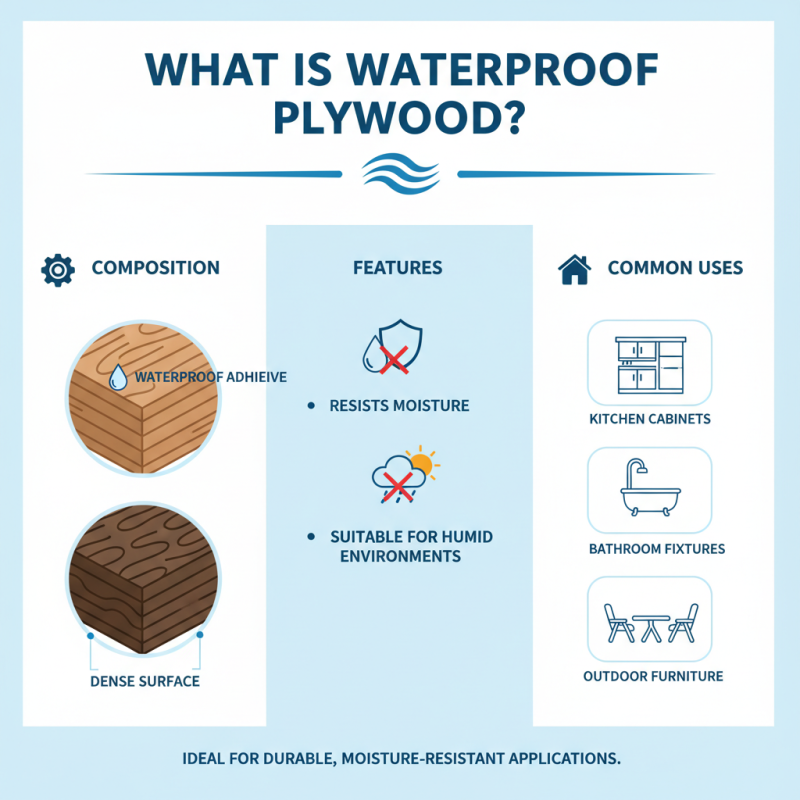
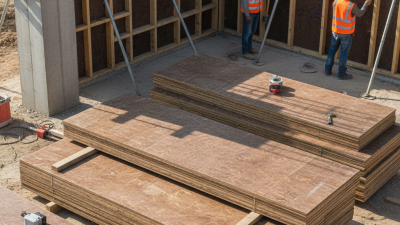
Waterproof plywood is a specialized form of plywood that is treated to resist moisture. This type of plywood is manufactured using waterproof adhesive and often features a dense surface. This treatment makes it suitable for use in areas with high humidity or direct water exposure. Common applications include kitchen cabinets, bathroom fixtures, and outdoor furniture.
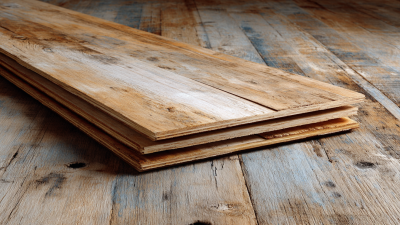
Many buyers may not realize the importance of using waterproof plywood. Standard plywood can swell and warp when exposed to water. This can lead to structural issues and aesthetic problems in construction or furniture projects. Waterproof plywood, on the other hand, maintains its integrity even in wet conditions. This durability can save money on repairs in the long run.
When selecting waterproof plywood, look for quality indicators. The thickness of the veneer layers matters. Additionally, ensure the adhesive used is truly waterproof. While some products may claim to be waterproof, not all are created equal. A little research can prevent future headaches. Mistakes in material choice can lead to costly replacements. Consider your specific needs and environment carefully before making a decision.
Composition and Manufacturing Process of Waterproof Plywood
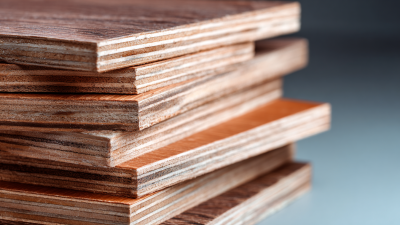
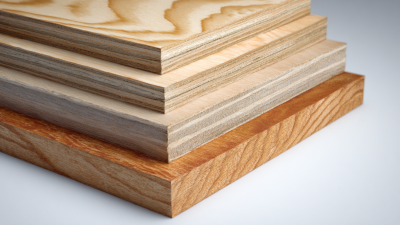
Waterproof plywood is a specialized product designed for durability and resistance to moisture. Its composition plays a crucial role in its performance. Typically, waterproof plywood is made using high-quality wood veneers bonded with waterproof adhesives. Manufacturers often use phenolic, melamine, or other waterproof resins in the bonding process. These resins enhance the plywood's ability to withstand water exposure and prevent delamination. Research indicates that plywood treated with these adhesives can remain intact even after prolonged exposure to water, achieving a bonding strength that exceeds conventional water-resistant varieties by up to 50% (Plywood Industry Statistics).
The manufacturing process is equally important in determining the quality of waterproof plywood. It involves drying the wood veneers to a specific moisture level before layering and pressing them together. The hot pressing technique ensures that the resin penetrates the wood fibers effectively, forming a robust bond. Industry reports suggest that the temperature and duration of the pressing process can significantly affect the material's performance and longevity. For instance, pressing at temperatures above 150°C typically increases the plywood’s moisture resistance and dimensional stability (Wood Products Journal).
Despite advancements, there are still areas for improvement in waterproof plywood production. Some manufacturers might skimp on the quality of raw materials or the adhesion process. This could lead to inconsistencies in product performance. Even high-quality plywood can fail if not properly maintained or if subjected to extreme conditions frequently. Understanding these factors helps buyers make informed decisions and select the right waterproof plywood for their needs.
Key Benefits of Using Waterproof Plywood in Construction
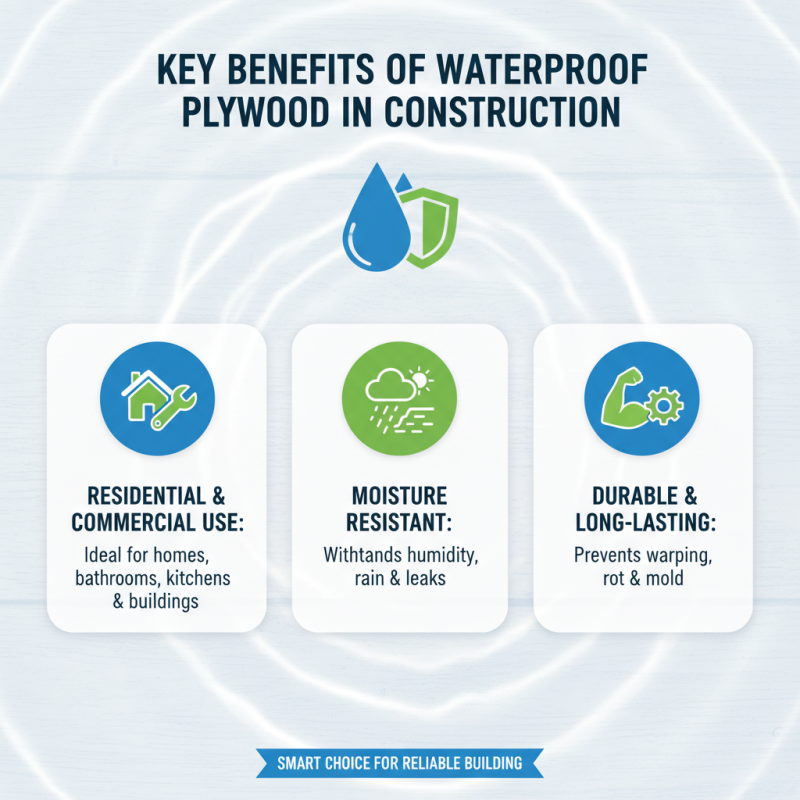
Waterproof plywood is a specialized material designed to withstand exposure to moisture. This type of plywood is essential for various construction projects, especially in environments prone to humidity and water. Its unique properties make it a smart choice for both residential and commercial applications.
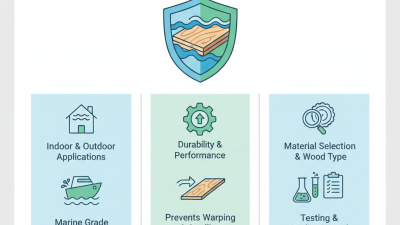
Key benefits include durability and longevity. Waterproof plywood resists rot and decay, ensuring structures remain solid over time. This durability translates to lower maintenance costs and reduces the need for frequent replacements. In areas like kitchens and bathrooms, where water exposure is common, using waterproof plywood is not just advantageous but necessary.
**Tips**: When selecting waterproof plywood, consider the thickness and grade. Thicker sheets often offer better resistance. It’s crucial to assess the environment where the plywood will be used. Not all waterproof plywood is equal, so doing thorough research is vital.
Another worthwhile benefit is versatility. Waterproof plywood can be used for cabinetry, furniture, and flooring. This material allows for creative designs without compromising on strength. However, it's essential to stay aware of the environmental impact of sourcing materials. Balancing aesthetics, durability, and sustainability is key.
Comparing Waterproof Plywood with Regular Plywood
Waterproof plywood stands out when compared to
regular plywood due to its exceptional resistance to moisture.
In environments where humidity and water exposure are prevalent,
this type of plywood can maintain its integrity much better. A recent industry report indicates that waterproof
plywood can last up to twice as long as regular plywood in wet conditions. This makes it a crucial choice
for consumers building structures such as bathrooms or
outdoor furniture.
Regular plywood, while useful in many applications, is susceptible to
warping and damage when exposed to water.
In fact, studies suggest that regular plywood loses over 50% of its
durability after repeated water exposure. This deterioration can lead to costly repairs and replacements.
In contrast, waterproof plywood is treated to withstand these conditions, making it a more reliable option
for long-term investments.
Investing in waterproof plywood might seem costlier upfront. However, estimates show that it can save
buyers nearly 30% in repairs over its lifespan.
Quality and durability should be key considerations for buyers. While choosing the right materials, it's
vital to weigh the performance characteristics against the risks of water damage.
Factors for Buyers to Consider When Choosing Waterproof Plywood
Choosing waterproof plywood can be challenging for buyers. Several factors come into play when making a choice. One key aspect is the plywood grade. Higher grades typically offer better waterproofing. According to industry data, waterproof plywood retains strength and integrity even after prolonged exposure to moisture. This durability can reduce replacement costs significantly.
Another important factor is the type of adhesive used. Phenolic and melamine adhesives provide superior water resistance compared to other options. A study shows that projects using plywood with these adhesives have a longer lifespan. This can save both time and money for buyers looking to invest in quality materials.
Tip: Always ask for certification. Quality plywood should meet certain industry standards, such as BS 1088 for marine-grade plywood.
Consider the thickness as well. Thicker plywood provides enhanced durability but may add weight to the project. Always balance weight and durability according to your needs. It's essential to assess the intended use carefully. Waterproof plywood is vital in environments such as kitchens and bathrooms. However, not all applications may require the highest grade.
Tip: Inspect samples under different moisture conditions to better understand performance. Don't overlook cross-laminated alternatives; they can offer great benefits, too.