How to Choose the Best Phenolic Plywood for Your Projects?
When selecting materials for construction and design projects, the choice of plywood is critical. Among the options available, phenolic plywood stands out due to its durability and moisture resistance. According to a 2021 industry report, the global phenolic plywood market was valued at over $1 billion, reflecting its growing popularity in various sectors.
Phenolic plywood is specially treated with a resin that enhances its properties, making it ideal for demanding environments. A survey conducted by the Wood Products Council revealed that 70% of architects prefer phenolic plywood for its strength-to-weight ratio. However, selecting the right type can be challenging. Quality varies widely across manufacturers, and many options may not meet specific project needs.
It's essential to evaluate the type and grade of phenolic plywood before purchasing. Not all products are created equal, and many consumers overlook critical specifications. This oversight can lead to cost overruns and project delays. Therefore, thorough research and guidance from industry experts can be invaluable.
Understanding Phenolic Plywood: Definition and Key Properties
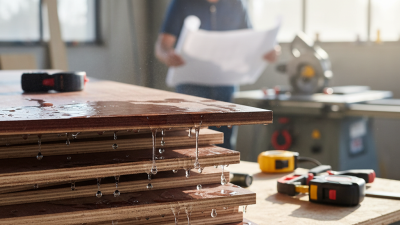
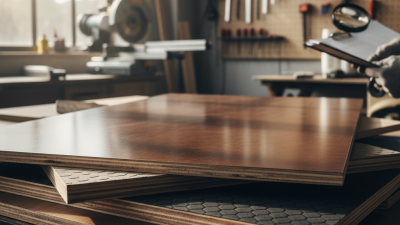
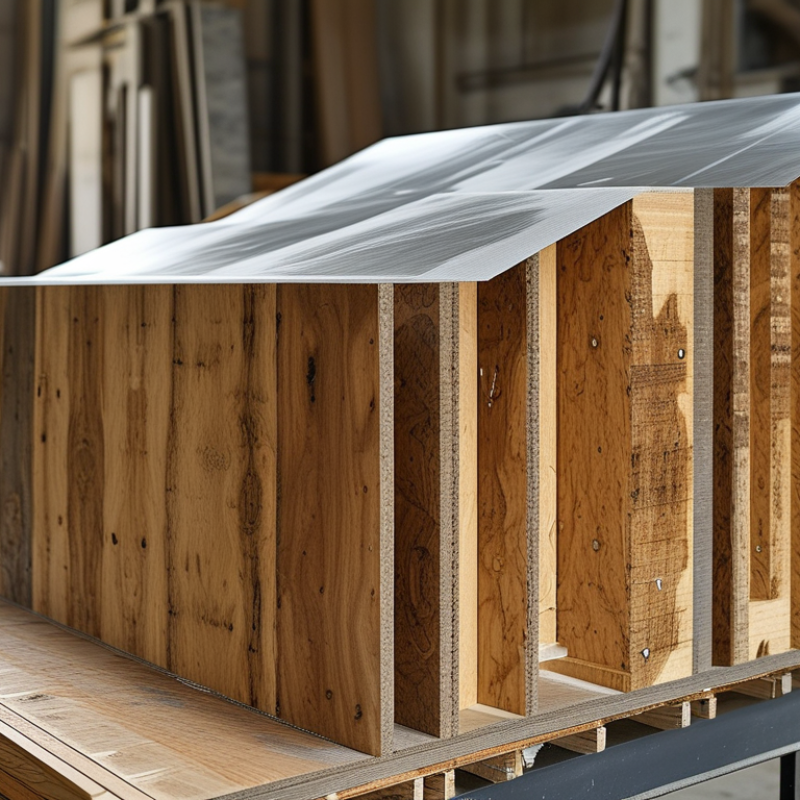
Phenolic plywood is a versatile material known for its durability and water resistance. It is made by bonding layers of wood veneer with a phenolic resin. This process creates a strong, robust panel, ideal for various applications, including construction and furniture. According to industry reports, phenolic plywood boasts a higher moisture resistance than traditional plywood. It can withstand damp conditions without warping or swelling.
The key properties of phenolic plywood include its exceptional load-bearing capacity and surface durability. Data shows that it performs better than many other engineered wood products in terms of impact resistance. This makes it popular in environments prone to wear and tear. However, sourcing phenolic plywood can be challenging. Not all suppliers maintain consistent quality, leading to variability in performance. Understanding these aspects is crucial for selecting the right type for your projects.
Fire resistance is another critical factor. Research indicates that certain phenolic formulations can significantly limit flame spread. This property makes it suitable for safety-sensitive applications. Still, it's essential to verify certifications and compliance with safety standards. Not every phenolic plywood is created equal, and diligence in selection can lead to better project outcomes. Balancing cost versus performance remains a central concern for many buyers. Making informed decisions will ultimately enhance your project’s success.
Evaluating Applications: Where to Use Phenolic Plywood Effectively
When selecting phenolic plywood, understanding its applications is crucial. This type of plywood is known for its resistance to moisture and chemicals. It works well in environments like laboratories, kitchens, and outdoor projects. Its durability makes it ideal for heavy-duty furniture and flooring. However, not all phenolic plywood is suitable for every task. Knowing your project’s specific needs is vital.
For instance, in construction, phenolic plywood can offer excellent structural support. However, it requires proper sealing to enhance water resistance. In furniture design, the finish matters. A minimal, open-grain finish may not withstand wear and tear like a fully sealed surface. It’s essential to consider factors like moisture exposure when planning your project.
Reflecting on your choices is essential. While phenolic plywood has numerous advantages, it can be overkill for simple projects. Evaluate the long-term benefits versus immediate costs. Sometimes, more modest materials may suffice. In the end, understanding the specific placement of phenolic plywood can lead to more informed and effective project outcomes.
Comparing Grades: Different Types of Phenolic Plywood Available
When selecting phenolic plywood, understanding the grades available is crucial. Phenolic plywood comes in various types, each designed for specific applications. For instance, exterior-grade phenolic plywood is suitable for outdoor projects, as it offers excellent moisture resistance. Meanwhile, interior-grade options work well for furniture and cabinetry because they provide a smooth finish and durability.
Different grades exhibit varying characteristics. Some plywood types feature a higher density core, enhancing strength and stability. Others may have a thinner phenolic resin layer, which could affect the surface finish. Aesthetics also play a role—some plywood offers decorative surfaces ideal for visible applications. However, choosing solely based on appearance may overlook critical performance aspects.
It is essential to weigh personal project requirements against the grades available. Consider the environment where the plywood will be used. Will it face moisture or extreme temperatures? Reflecting on these details can lead to better outcomes. Sometimes, the most visually appealing option may not be the best choice for long-term use. Engaging with experts or consulting reliable resources can provide insights into making informed decisions.
Assessing Durability and Weather Resistance in Phenolic Plywood
When selecting phenolic plywood for your projects, assessing its durability and weather resistance is crucial. Phenolic plywood is appreciated for its structural integrity and versatility. It combines strength with moisture resistance, which is essential for exterior applications. Look for plywood that features a high-density core. The core contributes significantly to the panel's overall durability, particularly in adverse weather conditions.
Evaluate the surface finish of the phenolic plywood as well. A smooth, uniform surface reduces water absorption and enhances longevity. Consider where the plywood will be used. If exposed to high humidity or constant moisture, stronger weather-resistant properties are vital. Plywood that can resist warping and delamination is often preferred in these environments.
Testing the material in your specific project conditions can reveal its true performance. Even with high-quality plywood, imperfections can emerge over time. Factors like environmental exposure and installation methods may influence durability. Reflect on the specific demands of your project. Balancing performance, cost, and aesthetics is key to making a well-informed choice in phenolic plywood.
How to Choose the Best Phenolic Plywood for Your Projects? - Assessing Durability and Weather Resistance in Phenolic Plywood
| Plywood Type |
Thickness (mm) |
Durability Rating |
Weather Resistance |
Common Applications |
| Standard Phenolic Plywood |
18 |
B |
Moderate |
Furniture, Indoor Use |
| Exterior Grade Phenolic Plywood |
15 |
A |
High |
Outdoor Construction, Sheds |
| Marine Plywood |
12 |
A+ |
Excellent |
Boat Building, Docks |
| Fire Retardant Phenolic Plywood |
18 |
B |
Moderate |
Commercial Buildings, Fire Exits |
Selecting the Right Thickness and Dimensions for Your Project Needs
Choosing the right thickness and dimensions for phenolic plywood is crucial for project success. Every project has unique requirements. For instance, a heavy-duty task may need thicker plywood for support. Generally, 18mm is often recommended for structural applications. However, lighter projects might only require 12mm or even 9mm.
Measuring your space accurately can help avoid mistakes. Custom dimensions can yield better fit and functionality. Many builders overlook this step, leading to unnecessary waste. It’s essential to factor in the intended use and expected load. Some projects benefit from rounded edges, while others might need a flush finish.
Don’t forget about the environment where the plywood will be used. Areas with high moisture levels may require thicker boards to withstand warping. Always consider how the dimensions will impact aesthetic aspects. It’s easy to become fixated on numbers, yet design plays a vital role too. Taking the time to reflect on these aspects can enhance your overall results.