Top 5 Benefits of Building Plywood for Global Buyers?
Building Plywood has become a pivotal material in various construction sectors, gaining notable traction among global buyers. According to a report by Grand View Research, the global plywood market is projected to reach $80.6 billion by 2025. This rapid growth reflects the increasing demand for sustainable and durable building materials.
The advantages of Building Plywood are numerous. For instance, its lightweight nature allows for easy transportation and installation, reducing labor costs. Moreover, its versatility makes it suitable for residential, commercial, and industrial applications. However, buyers should be cautious about quality variations across suppliers. Selecting reliable sources is essential to ensure the desired performance and longevity.
In an era where construction sustainability is paramount, Building Plywood stands out as an environmentally friendly choice. Many manufacturers use renewable resources, contributing to greener building practices. Yet, it is vital to examine specific certifications and compliance with regulations. In conclusion, understanding the benefits and challenges of Building Plywood can significantly impact purchasing decisions for global buyers.
Top Benefits of Building Plywood for Global Buyers: An Overview
Building plywood is a versatile choice for global buyers. Its wide applications range from furniture to construction. According to the World Plywood Market Report, the global plywood market value is projected to reach $60 billion by 2025. This growth is driven by the rising demand for eco-friendly building materials.
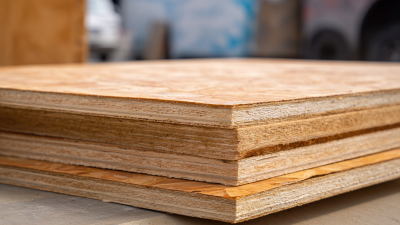
One key benefit is durability. Plywood offers significant strength while remaining lightweight. This makes it easier to transport and install. It can withstand various weather conditions, making it ideal for outdoor applications. The flexibility in design allows for creative architectural solutions.
Tip: When sourcing plywood, check for certifications such as FSC (Forest Stewardship Council). This ensures the product is sourced sustainably.
Another benefit is cost-effectiveness. Plywood generally requires lower initial investment compared to solid wood. Its longevity reduces the need for frequent replacements. Furthermore, production techniques have improved, reducing waste and enhancing the overall efficiency.
Tip: Assess local sourcing options. Choosing local suppliers can decrease transportation costs and lead times.
However, buyers should also consider potential imperfections in plywood. Variability in quality can occur due to manufacturing processes. Always request samples before finalizing orders to ensure the product meets your specifications.
Top 5 Benefits of Building Plywood for Global Buyers
| Benefit |
Description |
Impact |
| Sustainability |
Plywood is made from renewable resources, making it an eco-friendly choice. |
Supports green building initiatives. |
| Versatility |
Can be used for a variety of applications, from furniture to construction. |
Flexibility in project designs. |
| Cost-Effectiveness |
Generally more affordable than solid wood and other building materials. |
Reduces overall project costs. |
| Strength and Durability |
Engineered for strength, resistant to warping and cracking. |
Long-lasting results in construction. |
| Ease of Use |
Easily cut and shaped to fit various specifications. |
Enhances efficiency in construction processes. |
Cost-Effectiveness: Analyzing Price Trends in the Plywood Market
The plywood market has seen significant price fluctuations in recent years. According to the Wood Products Annual Market Report, prices for plywood have increased by 16% year-over-year as of 2023. This rise can be attributed to various factors, including supply chain disruptions and increasing demand from the construction sector. Many global buyers are looking for cost-effective solutions in this competitive landscape.
Cost-effectiveness is not just about low prices. It’s about value. A recent study by the Forest Economic Advisors indicates that correctly sourced plywood can reduce overall project costs by 30%. This is particularly important in a market where raw material costs are frequently changing. Buyers must analyze these price trends to ensure they secure the best deals without compromising quality.
Sourcing plywood responsibly can also lead to a better long-term investment. The market is filled with options, but not all are sustainable or ethically produced. It's essential for buyers to focus on suppliers with a commitment to sustainable practices. This ensures that while costs may be lower, the products remain reliable and trustworthy. Engaging with credible suppliers can prevent future price volatility and enhance project sustainability.
Sustainability: The Role of Plywood in Eco-Friendly Construction
Sustainability is becoming a critical focus in construction. Plywood is a versatile material that contributes significantly to eco-friendly building practices. According to the Forest Products Laboratory, plywood uses less wood than solid timber for the same structural integrity. This property can lead to reduced deforestation, positively impacting ecosystem balance.
Additionally, plywood can be sourced from sustainably managed forests. The Sustainable Forestry Initiative reports that certified sustainable forestry contributes to biodiversity. These forests support a variety of wildlife, ensuring ecological health. However, not all plywood suppliers follow sustainable practices. This inconsistency creates challenges for buyers seeking genuine sustainable options.
Moreover, plywood's life cycle carbon footprint is lower than that of many alternatives. Wood stores carbon dioxide during its growth. An installation that lasts several decades can sequester substantial carbon, benefiting the environment. Still, improper disposal of plywood can negate these benefits. Encouraging recycling and responsible end-of-life strategies is essential for maximizing plywood’s ecological advantages.
Top 5 Benefits of Building Plywood for Global Buyers
Versatility: Applications of Plywood Across Various Industries
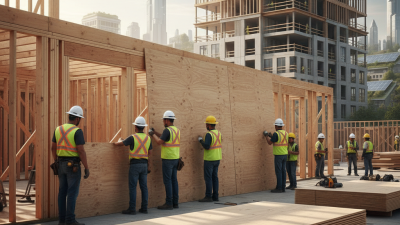
Plywood is a remarkable material with diverse applications across industries. Its versatility makes it a popular choice in construction, furniture, and even automotive sectors. Builders prefer plywood for its strength and lightweight nature. It can be easily cut and shaped, allowing for creative designs and innovative solutions.
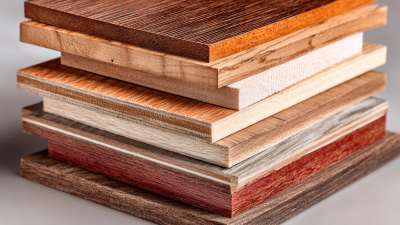
In furniture making, plywood is often used for cabinets, shelves, and tables. Its aesthetic appeal can enhance any interior. Plywood can also be laminated or veneered to achieve desired finishes. However, it’s essential to choose the right type for your intended use. Each type varies in quality and performance.
Tips: Always consider the environment when selecting plywood. Look for options with low formaldehyde emissions. This choice leads to healthier indoor air quality. Regularly assess the condition of plywood in high-moisture areas. Water damage can compromise its integrity. Keeping it dry extends its lifespan immensely.
Quality Standards: Ensuring Compliance with Global Manufacturing Norms
Quality standards play a crucial role in the plywood industry, especially for global buyers. According to a recent report by the International Forest Products Association (IFPA), approximately 70% of plywood imported globally must meet specific quality benchmarks. This ensures safety and durability but also requires rigorous testing. Buyers often emphasize compliance with standards like EN 13986 and ANSI/HPVA.
Testing for formaldehyde emissions is vital. The World Health Organization recognizes these emissions as a health concern. In many markets, only plywood with emissions below 0.05 ppm is considered viable. Still, many manufacturers struggle to consistently meet these targets. This gap signals a need for more stringent oversight and better quality control measures.
Moreover, supply chain transparency is critical. Buyers increasingly demand detailed documentation of sourcing. A survey noted that over 60% of consumers prefer products with certified materials. However, achieving this transparency is challenging for many companies. They may lack the resources or infrastructure needed to obtain the necessary certifications.