Best Phenolic Plywood for Durable Construction Projects?
In the realm of construction, Phenolic Plywood stands out for its exceptional durability and strength. Industry reports highlight that this material significantly enhances structural integrity, making it a favorite among builders. According to Dr. Sarah Lee, a renowned expert in composite materials, “Phenolic Plywood is not just plywood; it's an investment in longevity.”
The demand for high-performance materials has surged. Studies show that Phenolic Plywood can outperform standard plywood in moisture resistance and mechanical strength by up to 30%. This data emphasizes its pivotal role in projects that endure harsh conditions. Many construction professionals seek it for applications in flooring, formwork, and even furniture. Yet, not all Phenolic Plywood products deliver the same quality; inconsistencies exist among suppliers.
Choosing the right type of Phenolic Plywood requires an understanding of its properties. Variations in manufacturing processes can affect performance. While the benefits are clear, navigating the options can be overwhelming. Construction experts urge careful consideration of certifications and testing results to avoid pitfalls. Awareness of trends in the market can also inform smarter choices.
Understanding Phenolic Plywood and Its Unique Properties
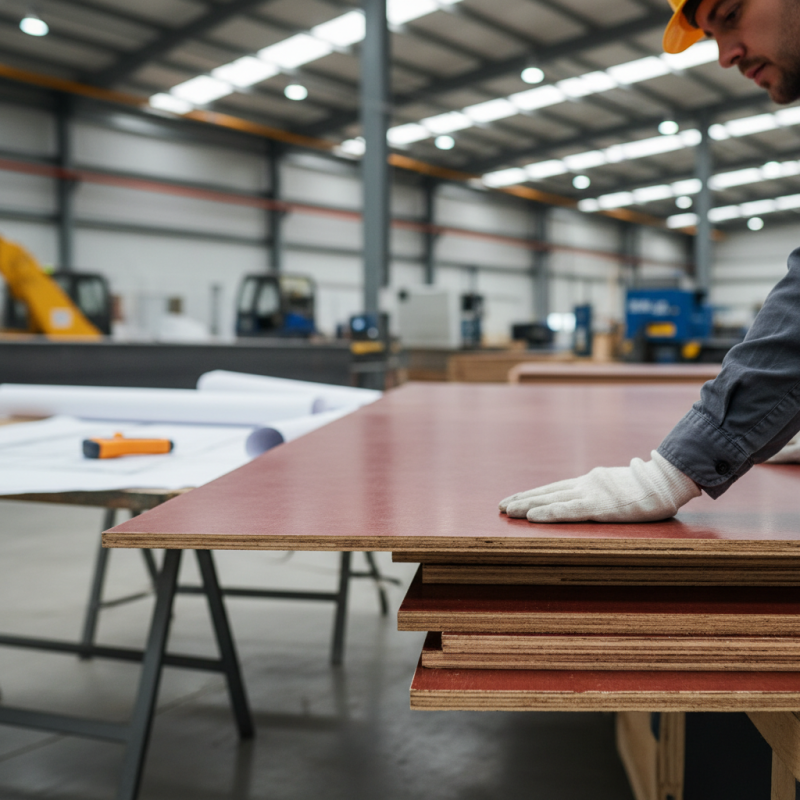
Phenolic plywood stands out due to its exceptional durability and water resistance. Made from layers of wood veneer bonded with phenolic resin, it exhibits impressive strength. This unique combination makes it suitable for both indoor and outdoor applications. Builders often prefer phenolic plywood for projects that demand longevity. Its performance in harsh environments is noteworthy, often surpassing traditional plywood.
One key feature of phenolic plywood is its smooth surface. This quality not only enhances aesthetics but also makes it easy to clean. However, the production process can involve significant energy use and emissions. It's essential to consider sustainability when choosing materials. Each project presents opportunities and challenges. This type of plywood is heavier than alternatives, which might complicate handling. Additionally, while its cost may be higher initially, its longevity can prove economical over time.
Types of Phenolic Plywood for Various Construction Needs
Phenolic plywood is gaining popularity for various construction needs due to its durability and resistance to water, chemicals, and pests. This type of plywood is manufactured by impregnating paper with phenolic resin and then pressing it under heat. Data from industry reports indicate that phenolic plywood exhibits a strength-to-weight ratio that is 20% higher than standard plywood, making it ideal for structural applications.
There are different grades of phenolic plywood tailored to specific construction tasks. For instance, marine-grade phenolic plywood is treated to withstand harsh weather and moisture. It is often used in docks and exterior structures where water resistance is critical. Additionally, formwork phenolic plywood is designed for concrete applications. It can endure high pressure and maintain its structural integrity under weight, providing a reliable surface for shaping.
However, important considerations remain. The initial cost of phenolic plywood can be higher than other types, which might deter some builders. Additionally, the environmental impact of production is a growing concern. While phenolic plywood is more durable, its manufacturing process uses synthetic resins, which raises sustainability questions. Balancing durability with eco-friendliness is a challenge that builders face today.
Advantages of Using Phenolic Plywood in Durable Construction
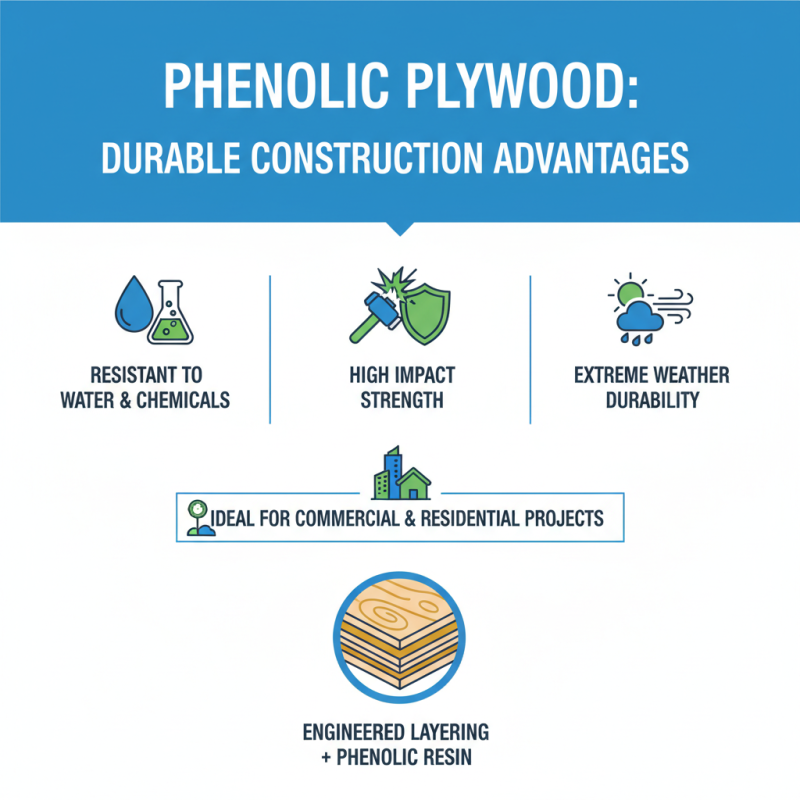
Phenolic plywood is gaining recognition for its exceptional durability in construction projects. This material is engineered through a layering process that combines multiple sheets of wood veneer with a phenolic resin adhesive. As a result, it becomes resistant to water, chemicals, and physical impacts. Reports indicate that phenolic plywood can withstand extreme weather conditions and heavy workloads, making it ideal for both commercial and residential use.
One of the significant advantages of phenolic plywood is its longevity. According to a study by the Wood Research Institute, phenolic plywood has a lifespan that can exceed 30 years under proper conditions. This not only reduces replacement costs but also minimizes environmental waste—an important consideration in sustainable construction. However, it's essential to recognize that its initial cost may be higher than standard plywood. Builders need to weigh the upfront investment against long-term benefits.
Moreover, phenolic plywood offers versatility in applications. It can be used for formwork, furniture, and flooring, thanks to its aesthetic appeal and structural strength. However, some users find the manufacturing process can lead to inconsistencies in thickness. This can affect the overall quality if not monitored meticulously. Engaging experienced professionals for installation is crucial to mitigate potential issues related to installation and performance.
Factors to Consider When Choosing Phenolic Plywood
When choosing phenolic plywood for construction projects, several factors must be considered. The thickness of the plywood plays a crucial role in its durability. Thicker panels usually provide better strength and resistance to impacts. Also, the quality of the phenolic resin used affects overall performance. A higher quality resin enhances waterproofing and reduces wear and tear.
Another important aspect is the core material. Different core options, such as hardwood or poplar, offer varied benefits. A hardwood core might be more robust, but it can be heavier. Conversely, a lighter core can be easier to handle yet less sturdy. Understanding these trade-offs helps in making better choices.
Additionally, consider the environmental factors. Areas with high humidity require better moisture-resistant plywood. It is essential to reflect on specific project needs and site conditions. While choosing the right plywood may seem straightforward, it often involves deeper research for optimal results. Quality and suitability can vary widely, so taking the time to evaluate these factors is vital for long-lasting construction.
Comparative Analysis: Phenolic Plywood vs. Other Materials
Phenolic plywood stands out in construction due to its strong resilience and waterproof characteristics. Unlike traditional wood or standard plywood, it combines durability with versatility. Its resistance to moisture makes it ideal for outdoor projects or high-humidity environments. This material can last significantly longer than other types of plywood. However, it does come with a heavier weight, which could complicate handling and installation.
When comparing phenolic plywood to materials like MDF or particleboard, the differences become clear. MDF lacks resistance to moisture, leading to potential deterioration over time. Particleboard, on the other hand, is often less stable under heavy loads. While phenolic plywood may have a higher initial cost, the long-term benefits can outweigh this factor in durability and maintenance. Yet, the production process raises questions about environmental sustainability. It's crucial to consider these aspects when planning your construction projects.
The choice of material can impact both performance and budget. Opting for phenolic plywood means investing in quality. However, it's essential to weigh factors such as application, load-bearing needs, and environmental concerns. Making an informed decision requires a careful examination of all options available.
Comparative Analysis of Phenolic Plywood vs. Other Materials
This chart compares the durability, water resistance, weight, and cost of Phenolic Plywood against other common construction materials such as MDF and OSB. The performance metrics are rated on a scale from 1 to 10, with 10 indicating the best performance.