What is China Plywood and Why is it Essential for Your Business?
China Plywood is more than just a building material; it embodies quality and versatility. Businesses across various industries rely on this essential product for construction and design. The unique characteristics of China Plywood make it suitable for both residential and commercial projects. Its durability and cost-effectiveness attract many entrepreneurs.
Understanding the significance of China Plywood is crucial for business owners. Whether you are in design, construction, or furniture making, this material influences your project's outcome. The demand for sustainable building materials grows daily. Hence, China Plywood presents an eco-friendly solution without compromising strength.
With numerous suppliers in the market, selecting the right source is vital. Not all China Plywood is created equal. The quality can vary, potentially impacting your business's reputation. Ensuring reliability in your supply chain requires careful consideration. Investing time in research might save you from future headaches.
What is China Plywood?
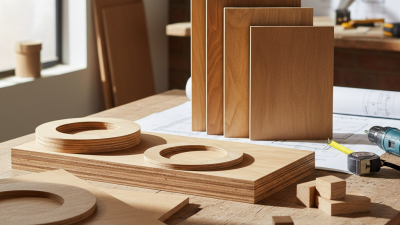
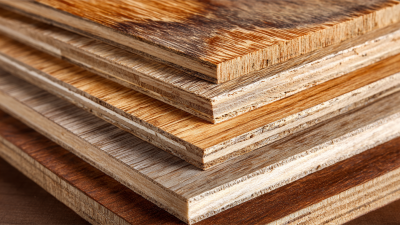
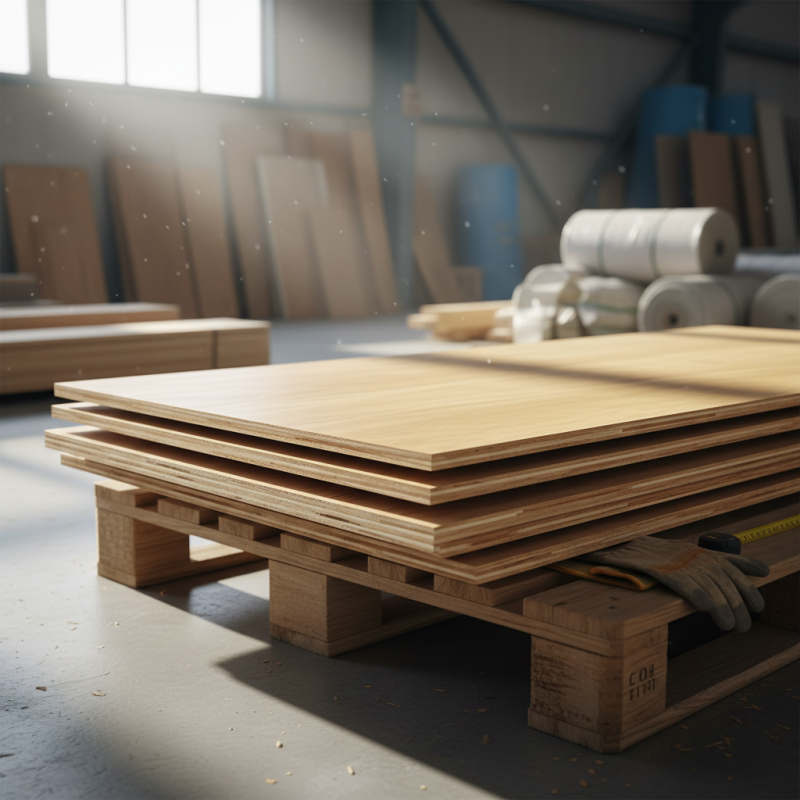
China plywood is a versatile engineered wood product made from thin layers of veneer.
These layers are glued together to create strong, durable sheets.
The manufacturing process combines traditional craftsmanship with modern technology.
This results in high-quality plywood used in construction, furniture, and cabinetry.
Businesses often choose China plywood for its cost-effectiveness.
It offers a reliable substitute for solid wood.
Despite its benefits, quality can vary between manufacturers.
Some suppliers may cut corners, leading to inferior products.
It is essential to verify the quality and sourcing of plywood to avoid issues down the line.
Importantly, China plywood comes in various grades and types.
Each type has specific uses and characteristics.
Understanding these differences can greatly impact your project's success.
With careful selection, this material can enhance both the aesthetics and functionality of your products.
Key Characteristics and Types of China Plywood
China plywood has become a vital material in various industries due to its diverse applications and unique characteristics. It is made from thin layers of wood veneer, bonded together with adhesives. This construction gives it strength, durability, and stability. According to industry reports, the global plywood market is expected to reach USD 90 billion by 2025, highlighting the growing demand.
One popular type of China plywood is marine plywood. It is designed for use in humid and wet environments, making it ideal for boat building or coastal construction. Another option is furniture-grade plywood, which is used in furniture making due to its aesthetic appeal and smooth finish. Each type serves different business needs, so understanding these variations is crucial.
Tips: Always source plywood marked with eco-friendly certifications. This ensures a sustainable choice for your projects. Also, consider the thickness and layer count; these factors impact strength and weight. Quality testing reports are essential to confirm material reliability. Prioritizing this will help avoid complications down the line.
What is China Plywood and Why is it Essential for Your Business? - Key Characteristics and Types of China Plywood
| Characteristic |
Description |
Types |
| Durability |
China Plywood is known for its strength and resistance to wear, making it ideal for various applications. |
Phenolic Plywood, Marine Plywood |
| Cost-Effectiveness |
Often more affordable compared to other plywood types, helping to reduce material costs for businesses. |
Construction Plywood, Decorative Plywood |
| Sustainability |
Many manufacturers follow sustainable practices, ensuring eco-friendly production and sourcing. |
Bamboo Plywood, OSB (Oriented Strand Board) |
| Versatility |
Applicable in furniture, cabinetry, flooring, and construction industries. |
Furniture Plywood, Structural Plywood |
| Customizability |
Available in various grades, sizes, and finishes to meet specific business needs. |
Fancy Plywood, Fire-Resistant Plywood |
Applications of China Plywood in Various Industries
China plywood has diverse applications across various industries, making it a crucial material for many businesses. In construction, it is often used for flooring, walls, and roofing. Builders appreciate its strength and durability. Plywood can handle heavy loads and resist warping. Its lightweight nature simplifies transportation and installation. However, not all types of plywood are suited for every application. Choosing the right grade is essential.
In the furniture industry, China plywood finds its place in cabinets and tabletops. The smooth surface allows for high-quality finishes. Designers like its versatility and cost-effectiveness. They can create stylish, functional pieces without breaking the bank. Yet, artisans sometimes struggle with its consistency. Not every sheet meets the desired standards, leading to potential waste and frustration.
Additionally, packaging industries rely on plywood for crates and pallets. It provides protection during shipping and handling. Its resilience against impact helps safeguard products. But fluctuating quality can impact reliability. Companies must source from reputable suppliers to ensure consistency. These challenges reflect the importance of careful selection and quality control in using China plywood effectively.
Applications of China Plywood in Various Industries
Benefits of Using China Plywood for Your Business
China plywood has gained significant traction in the global market due to its remarkable strength and versatility. Industry reports indicate that the global plywood market is anticipated to reach $75 billion by 2025. This growth is largely driven by the increasing demand for eco-friendly building materials. China plywood, known for its durability and cost-effectiveness, meets these demands while also supporting sustainable practices.
Using China plywood can enhance product offerings in various sectors, including furniture and construction. A study by the Forest Products Laboratory highlights that plywood from China exhibits superior bending strength, making it a preferred choice for structural applications. Many businesses benefit from reduced costs, with savings reported as high as 30%. However, it's essential to consider quality control challenges. Proper sourcing is crucial to ensure consistent quality that aligns with industry standards. This can require additional oversight, but the potential advantages are substantial.
Considerations When Sourcing China Plywood for Commercial Use
When sourcing China plywood for commercial use, several factors demand attention. The quality of plywood varies significantly among manufacturers. Research from the International Wood Products Association shows that over 30% of imported plywood fails to meet safety standards. You must ensure that suppliers have appropriate certifications. This includes compliance with international grading systems.
Sourcing logistics also play a crucial role. Lead times can fluctuate, impacting your production schedule. Recent market analysis indicates that shipping delays can extend up to eight weeks due to global supply chain disruptions. It is vital to establish a reliable partnership with suppliers to mitigate such risks. Additionally, the cost of tariffs and shipping influences your budget, with tariffs on Chinese plywood reaching 10% in certain categories.
Lastly, consider your environmental footprint. Many buyers now prefer plywood from sustainable sources. Studies show that 60% of consumers are willing to pay more for eco-friendly products. This shift impacts supplier selection. Investing in sustainable options can enhance your brand's reputation while supporting global efforts for responsible forestry.