What is Phenolic Plywood and Why Choose It for Your Projects?
Phenolic plywood is gaining recognition in construction and design industries. This material is made by bonding layers of wood veneer with a phenolic resin. According to a report by Smithers Pira, the global market for phenolic plywood is expected to grow significantly. This growth is driven by its durability and water resistance.
One reason to choose phenolic plywood is its strength. It outperforms traditional plywood in harsh environments. Projects exposed to moisture benefit from phenolic's waterproof properties. Research shows that phenolic plywood maintains structural integrity better than standard options. This makes it ideal for both interior and exterior applications.
However, it is not without drawbacks. The initial cost can be higher than traditional plywood. Some might question long-term value. While the benefits are significant, construction professionals must weigh costs against project requirements. Phenolic plywood is an investment in quality and longevity, proving its worth in various applications.
What is Phenolic Plywood and Its Composition?
Phenolic plywood is a type of engineered wood product. It combines layers of plywood with a resin that provides water resistance and durability. The core material is typically made of high-quality veneer. This veneer is bonded together using phenolic resin, which enhances its strength and longevity. The manufacturing process ensures that the final product is stable and can withstand various environmental conditions.
Research indicates that phenolic plywood offers superior performance in areas like moisture resistance and structural integrity. According to a report by the International Wood Products Association, phenolic plywood can reduce water absorption by up to 70%. This makes it ideal for outdoor and high-humidity applications, such as marine environments or construction sites.
Tips: When selecting phenolic plywood, consider its thickness and surface finish. A thicker sheet means better strength, while a smooth surface aids in maintenance. Additionally, always check for certifications to ensure quality.
Using phenolic plywood in your projects can reflect your commitment to durability. However, it is essential to be mindful of its environmental impact. Sourcing from sustainable forests can help minimize ecological footprints. Balancing durability with sustainability is key to responsible project management.
What is Phenolic Plywood and Why Choose It for Your Projects?
| Dimension |
Description |
| Material Type |
Phenolic Resin-Bonded Plywood |
| Key Features |
Waterproof, Durable, Chemical Resistant |
| Common Uses |
Construction, Furniture, Marine Applications |
| Thickness Options |
From 4mm to 25mm |
| Weight |
Approximately 600 - 800 kg/m³ |
| Advantages |
High Strength-to-Weight Ratio, Easy to Clean, Aesthetic Appeal |
| Environmental Considerations |
Sustainable Sourcing Possible, Low Formaldehyde Emissions |
Key Properties and Benefits of Phenolic Plywood
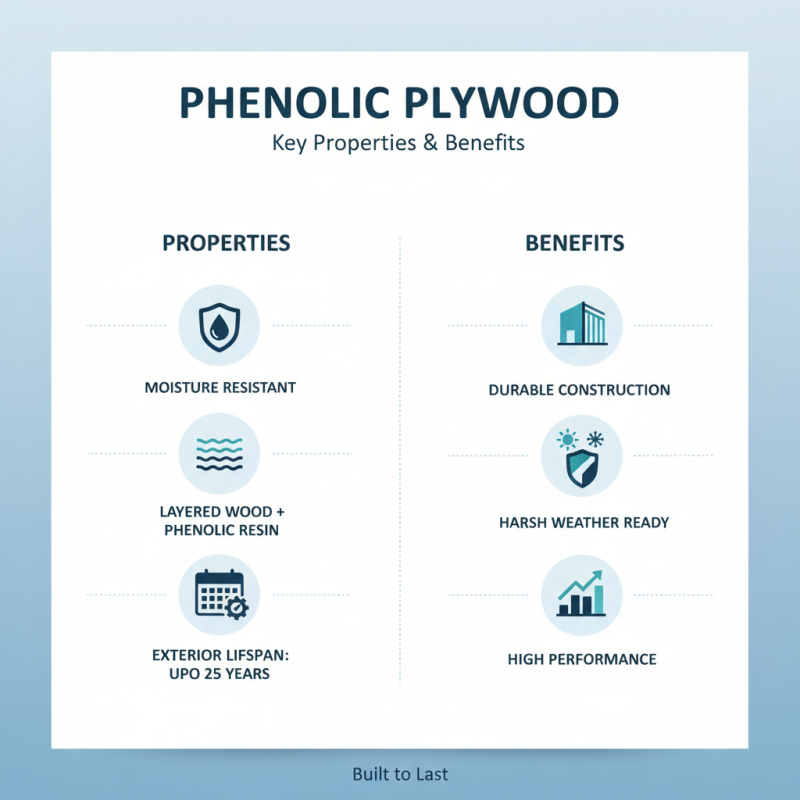
Phenolic plywood is gaining attention for its durability and performance. It consists of multiple layers of wood veneer glued together with a phenolic resin. This construction results in a material that excels in moisture resistance. According to industry reports, phenolic plywood has a lifespan of up to 25 years in exterior applications, making it ideal for construction projects exposed to harsh weather.
One of the key benefits of phenolic plywood is its excellent strength-to-weight ratio. It provides a sturdy solution while remaining relatively lightweight. This property allows for easier handling and installation, ultimately reducing labor costs. Additionally, phenolic plywood exhibits superior fire resistance compared to traditional plywood. Research indicates that it can withstand higher temperatures without degrading, making it suitable for various applications, especially in commercial settings.
Tips: When selecting phenolic plywood, ensure you review its specific grades and certifications. Different grades offer varying levels of performance. Also, consider your project’s environmental impact. Opting for sustainably sourced materials can enhance the overall credibility of your work. Being informed can lead to better choices that meet both functional and ethical standards.
Common Applications of Phenolic Plywood in Various Industries
Phenolic plywood is gaining popularity across various industries due to its impressive durability and moisture resistance. One common application is in the construction sector. Builders often choose phenolic plywood for formwork in concrete casting. Its non-stick surface prevents concrete from adhering, making it easier to dismantle after curing. This saves time and effort on job sites.
The transportation industry also benefits from phenolic plywood. It is used in manufacturing truck and trailer flooring. The material is sturdy enough to withstand heavy loads while providing excellent moisture protection. In marine applications, phenolic plywood is valued for its resistance to water and rot. Boat builders often rely on this material for components and interiors.
However, there are challenges to consider. The initial cost can be higher than typical plywood. Some may find the weight a disadvantage in certain applications. It's essential to analyze project needs carefully. Phenolic plywood offers unique benefits, but its suitability will depend on specific use cases and conditions. Balancing these factors is key to making an informed choice.
Comparison of Phenolic Plywood with Other Plywood Types
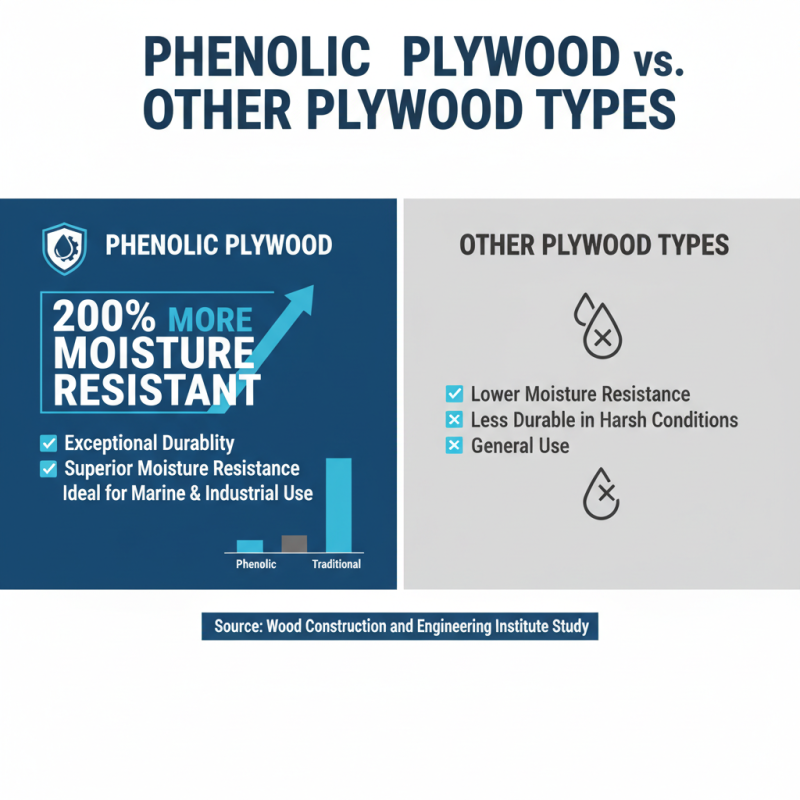
Phenolic plywood stands out among various plywood types due to its exceptional durability and resistance to moisture. A study by the Wood Construction and Engineering Institute highlighted that phenolic plywood can withstand over 200% more moisture exposure compared to traditional plywood. This makes it ideal for environments that experience high humidity or frequent water contact, such as marine and industrial applications.
In contrast, standard plywood sometimes suffers from delamination in such conditions, compromising structural integrity. The International Plywood Association reports that phenolic plywood maintains a lower weight while offering higher load capacities. This property appeals to architects and builders seeking strength without adding unnecessary mass to their projects.
However, some professionals note that the production process of phenolic plywood can be more complex and costlier compared to other plywood types. This may lead to higher initial project costs. It’s essential to weigh these considerations, as the long-term benefits often justify the investment. Many agree that the longevity of phenolic plywood often offsets its upfront price, making it a wise choice in the long run.
Factors to Consider When Choosing Phenolic Plywood for Projects
When considering phenolic plywood for your projects, several key factors come into play. First, think about the material's durability. Phenolic plywood is designed to withstand wear and tear. Its waterproof properties make it suitable for both indoor and outdoor applications. However, its high-density nature may increase weight, which could be a concern for certain designs.
Next, evaluate the surface finish. Phenolic plywood has a smooth surface that resists stains and scratches. This feature enhances its visual appeal and makes maintenance easier. But this smoothness might not suit all project needs. Some projects require a more textured surface for better adhesion or aesthetic reasons.
Cost is another important factor. While phenolic plywood may be pricier than standard plywood, its longevity can justify the expense. It’s essential to weigh the initial cost against potential savings in repair and replacement. Ultimately, your choice should reflect the specific requirements of your project, balancing quality with practical considerations.