What is Commercial Plywood and How to Choose the Best Options?
Commercial Plywood is a versatile material widely used in construction and woodworking. It consists of thin layers of wood glued together, providing both strength and stability. Choosing the right type can be challenging due to various options available.
When selecting Commercial Plywood, one must consider factors like thickness, grade, and wood species. Different projects may require different types. For instance, exterior uses demand weather-resistant plywood. Balancing cost and quality is essential here.
It's important to understand that not all plywood is created equal. Some may warp easily or lack durability. Researching and testing samples can reveal these imperfections. Seeking advice from professionals can also guide you towards the best options, ensuring a satisfactory outcome.
Definition and Composition of Commercial Plywood
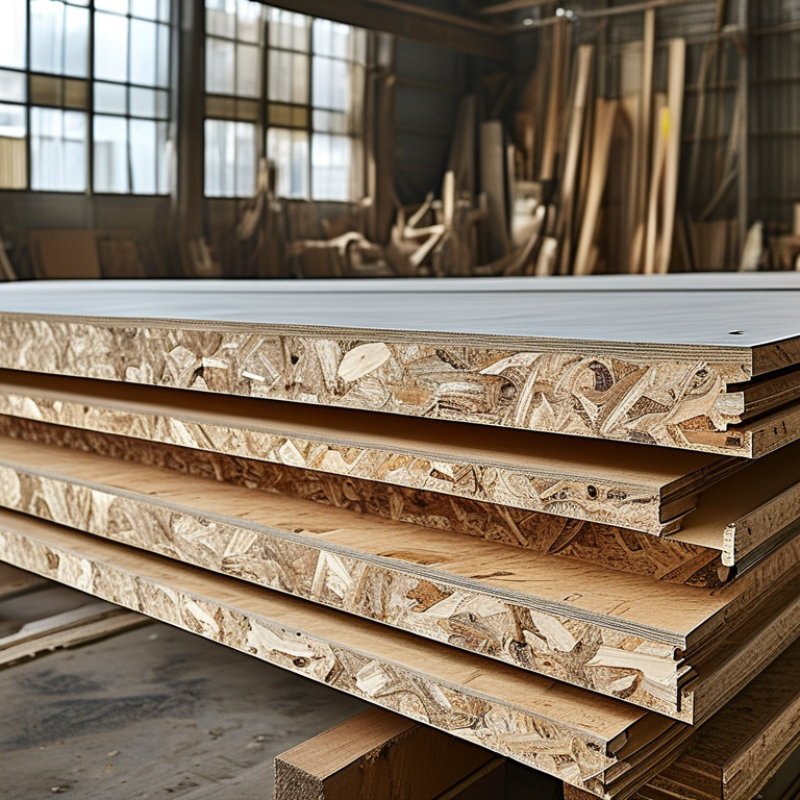
Commercial plywood is a versatile building material made from multiple layers of wood veneer. Each layer, or ply, is glued together with the grains running in different directions. This unique composition enhances strength and durability, making it suitable for various applications. Typically, hardwood or softwood may be used, depending on the intended use.
To understand the benefits of commercial plywood, consider its composition. The arrangement of the veneers affects the final product's stability and resistance to warping. The adhesive used also plays a crucial role in its water resistance. It is important to choose plywood that meets your specific project needs. Factors such as exposure to moisture, load-bearing requirements, and aesthetic preferences matter greatly.
Not all plywood is created equal. The quality can vary widely based on manufacturing processes and materials used. Look for certifications that indicate quality standards. Be prepared to encounter inconsistencies in thickness and finish. These can impact your project outcomes, so always inspect sheets carefully. Choosing the right commercial plywood requires patience and a keen eye for detail.
What is Commercial Plywood and How to Choose the Best Options? - Definition and Composition of Commercial Plywood
| Dimension |
Value |
| Type of Plywood |
Commercial Plywood |
| Layers |
3 to 9 |
| Common Uses |
Furniture, Indoor applications, Cabinetry |
| Standard Thickness |
6mm to 18mm |
| Material Composition |
Face and back veneer, Core veneer, Adhesive |
| Moisture Resistance |
Moderate |
| Weight |
Light to medium (Approx. 28 to 58 lbs per sheet) |
| Finish Options |
Natural, Veneer Laminated, Melamine coated |
| Strength Rating |
Moderate to High |
Types of Commercial Plywood and Their Uses
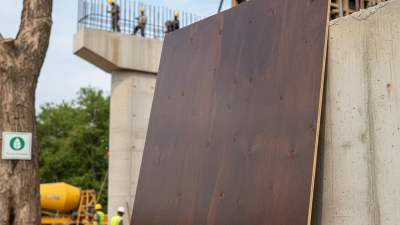
Commercial plywood comes in various types, each with unique attributes and uses. One popular option is exterior-grade plywood. This type features a weather-resistant veneer, making it suitable for outdoor applications. According to the American Plywood Association, exterior plywood is often made from softwoods like pine, offering durability even in adverse weather conditions.
Another common type is interior-grade plywood. Typically made from hardwood or a combination of hardwood and softwood, this plywood is ideal for furniture and cabinetry. The World Plywood Report cites that interior-grade plywood is often less expensive than exterior options, but this does not diminish its structural integrity. It's essential to verify the veneer and core materials, as these can greatly impact quality.
When selecting commercial plywood, consider factors like the glue used for bonding layers. Water-resistant glue is vital for applications exposed to moisture. Moreover, the grade level plays a crucial role; higher grades mean fewer defects, which is essential for the visual appeal in finished products. Reflecting on these aspects can lead you to make informed choices that align with your project needs.
Key Factors to Consider When Choosing Plywood
When selecting plywood for your projects, several key factors come into play. Firstly, understanding the type of plywood is essential. There are different grades available, including A, B, C, and D, each signifying quality and appearance. Higher grades like A are smooth and defect-free, while lower grades have more imperfections. This grading impacts both aesthetics and functionality, depending on your project’s requirements.
Another critical element is thickness. Plywood thickness typically ranges from 1/8 inch to 1 inch. Thicker plywood offers more durability and strength, making it suitable for structural applications. Conversely, thinner sheets are usually sufficient for craft projects or light-duty tasks. Beyond thickness, consider the face veneer. Different wood species not only alter the appearance but also the durability of the plywood. For example, birch or oak can withstand more wear compared to softer woods like pine.
Finally, consider moisture resistance. Plywood variations like marine-grade plywood offer waterproof characteristics, while interior-grade plywood is not suitable for humid conditions. Choosing the wrong type could lead to warping or mold. Reflect on your project’s environment to select appropriately. Remember, the wrong choice may lead to additional costs and project delays. Balancing quality with your budget is crucial, ensuring that your final selection meets both performance and aesthetic needs.
Comparing Quality and Grades of Plywood
When considering plywood, understanding its quality and grades is crucial. Plywood is classified into different grades based on its appearance, strength, and defects. The highest grade, A, features a smooth surface free of blemishes. It is ideal for applications where aesthetics matter, like furniture and cabinetry. In contrast, lower grades like C and D may have knots, discolorations, or other imperfections. They are better suited for hidden structural uses.
Grade selection impacts not only the project outcome but also the cost. Choosing a high-grade plywood may seem appealing, but it can be an unnecessary expense for some projects. For instance, using a lower grade for a hidden frame can save money while still providing required support.
Additionally, think about the environmental factors involved. Plywood sourced from sustainable forests offers eco-friendly benefits. This consideration may affect your choice, especially for conscious consumers.
Evaluating the intended use of the plywood is key. Will it face moisture? Will it need to support heavy loads? These questions guide grade selection. Don't shy away from asking suppliers about specific grades and their pros and cons. Gathering this information helps in making informed choices. Choosing plywood isn’t merely about the surface finish; it requires a balance between cost, function, and sustainability.
Best Practices for Maintaining and Using Plywood
When using plywood, proper maintenance is essential to ensure its longevity and performance. Regular cleaning with a damp cloth helps remove dirt and prevent moisture buildup. According to industry reports, plywood can last up to 30 years with appropriate care, but neglect can lead to mold and warping. Using a sealant or finish can offer extra protection against the elements.
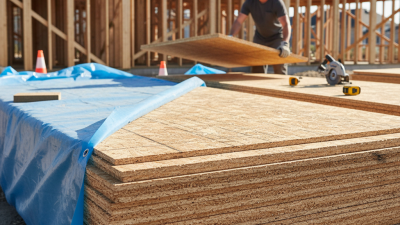
Storage conditions also play a crucial role. Plywood should be kept in a dry, well-ventilated area. Reports indicate that fluctuating humidity levels can cause significant damage over time. It’s important to stack plywood sheets properly to prevent bending or warping. Using spacers can maintain air circulation between the sheets, reducing the risk of moisture retention.
While plywood is versatile, it's not invincible. Some users report issues with delamination when exposed to excessive water. Understanding the right type of plywood for specific uses contributes to better outcomes. For example, marine-grade plywood is ideal for wet applications, but it still requires ongoing care. Regular inspections for signs of damage can help users address issues before they worsen.