Inquiry
Form loading...

Why Choose Hardwood Plywood for Your Next Project?

Choosing the right panel can shape a project’s strength, appearance, and service life. Hardwood Plywood offers a practical balance of durability, workability, and visual quality. Its cross-laminated veneers help reduce movement across the panel. That matters around cabinet doors, shelving, wall panels, and furniture joints.

The USDA Forest Products Laboratory’s Wood Handbook explains how wood properties vary with species, grain direction, moisture, and manufacturing quality. Those factors deserve attention before cutting a single sheet. Oak, birch, maple, and walnut plywood can behave differently under screws, finishes, and changing humidity. A clean surface is useful. It is not everything. Core construction, veneer thickness, adhesive performance, and panel grade also influence the final result.

Industry research supports continued demand for engineered wood products. Grand View Research’s 2024 market analysis identifies construction, furniture, and interior applications as important drivers for the plywood market. The Food and Agriculture Organization’s Global Forest Resources Assessment 2020 also emphasizes responsible forest management and traceable wood supply. Buyers should therefore examine certification claims, supplier documentation, and product standards carefully. Labels alone may not tell the whole story.

Hardwood Plywood can simplify detailed work. It accepts machining well and creates a warm, natural surface. Yet it is not automatically the best choice for every environment. Poor edge sealing can expose the core to moisture. An unsuitable grade can waste material and time. Careful selection remains essential. This guide examines the evidence, practical benefits, and limitations behind choosing Hardwood Plywood for your next project.
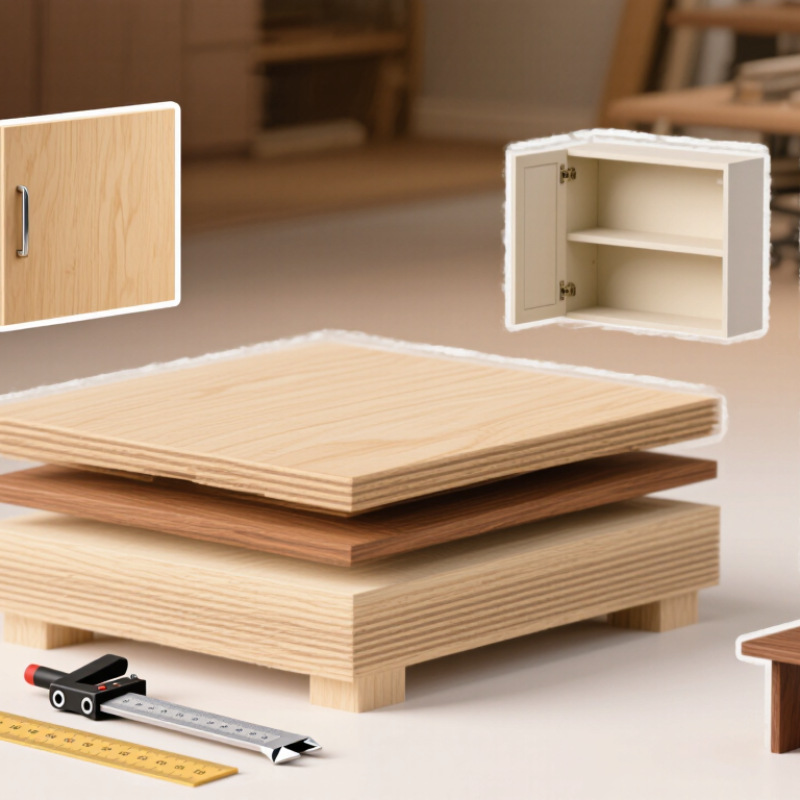
Why Choose Hardwood Plywood for Your Next Project?

What Is Hardwood Plywood and How Is It Made?

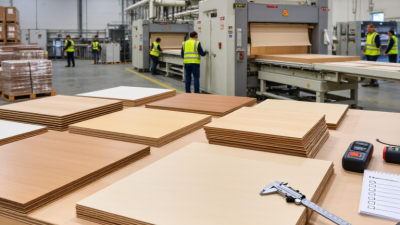
Hardwood plywood is an engineered panel made from thin hardwood veneers. Manufacturers peel or slice logs into sheets, then dry them carefully. Each veneer is inspected for knots, splits, and thickness variation. The sheets are arranged with their grain directions crossing. This cross-banding gives the panel strength and helps limit seasonal movement. It is more stable than a solid board of similar width. Not perfectly stable, though.

After grading, workers spread adhesive across the veneer faces. The layers are stacked into a balanced panel and pressed with heat and pressure. The bond must reach the core, not just seal the surface. Pressing conditions vary with wood species, panel thickness, moisture content, and adhesive chemistry. The panel is then trimmed, sanded, and checked for flatness, open gaps, and surface defects. Quality control should include the panel core, because a smooth face can hide a weak interior.

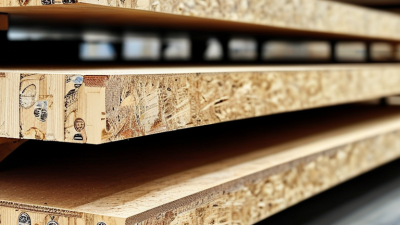
In workshop use, hardwood plywood offers clean edges, reliable screw holding, and a consistent surface for cabinets, furniture, and interior panels. I usually inspect a cut edge before committing to a project. Look for tight veneer layers and minimal voids. A small sample cut can reveal more than a product photograph. Moisture still matters. Unsealed edges can swell near sinks or damp floors, even when the face looks flawless. I have also learned that hardwood does not automatically mean premium construction. Veneer thickness, core design, bonding quality, and grading determine performance.
Which Properties Make Hardwood Plywood a Strong Material?

In a workshop, hardwood plywood feels stable under hand tools and clamps.

Its layered construction gives it strength without the weight of solid timber. Each veneer is arranged across the previous layer, limiting movement from changing humidity. This cross-grain structure helps panels resist splitting, twisting, and warping. A cabinet side can stay flatter during assembly. That matters when doors must close evenly.

Hardwood plywood also holds screws well, especially when fasteners enter the face or a properly supported edge.

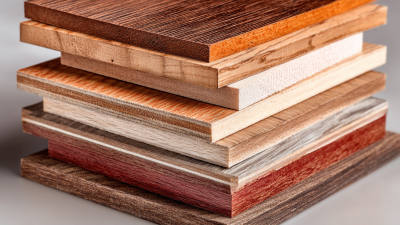
Its smooth outer veneer accepts paint, stain, or clear finish with little preparation. The surface can show attractive grain while remaining practical for desks, shelving, wall panels, and storage units. Careful sanding still matters. A rushed pass can expose the inner layer.

Moisture requires more caution.

Standard interior plywood should not be treated as waterproof, and unsealed edges can absorb spilled water quickly. I once ignored an exposed sink-cabinet edge; swelling appeared sooner than expected. That mistake changed my preparation routine. I now seal cut edges, check the panel grade, and allow sheets to acclimate indoors before installation. Thickness consistency, veneer quality, and a clean core usually matter more than appearance alone. Hardwood plywood is strong, but not indestructible.

How Does Hardwood Plywood Compare with Other Panel Materials?

Hardwood plywood is often chosen for its balance of strength, appearance, and workability.

Unlike solid wood, it uses crossed veneer layers, which reduce movement across the panel. This structure helps cabinet sides, shelves, doors, and workbenches stay stable through seasonal humidity changes.

Compared with MDF, hardwood plywood usually holds screws better and weighs less. Its layered edge also gives projects a more natural appearance.

MDF has a smoother surface for painted finishes, but its edges can swell when exposed to water. Particleboard costs less, yet it is weaker around fasteners and may sag under heavy loads. A small shelf test can reveal the difference.

OSB offers strong structural performance and often suits floors, walls, and roof sheathing. However, its rough strands rarely match the clean face needed for visible furniture.

Hardwood plywood provides a better surface for clear finishes, though its quality can vary. Some sheets have thin face veneers or internal voids. Check the edge before cutting. A void can weaken a narrow strip or cause tear-out.

It is not always the best choice. That deserves attention.

Solid wood may offer richer edges, while MDF can produce cleaner painted panels. For a reliable selection, compare thickness, veneer quality, core construction, moisture exposure, and expected load.

Also inspect each sheet under good light. Small defects often become expensive after installation.

What Project Types Are Best Suited to Hardwood Plywood?

Hardwood plywood suits projects needing a clean face, reliable strength, and stable dimensions. Cabinet doors, bookshelves, wardrobes, desks, and built-in storage are strong candidates. Its cross-laminated layers reduce seasonal movement compared with solid boards. The USDA Forest Products Laboratory’s Wood Handbook identifies plywood as an efficient structural panel because its veneers distribute loads across directions. That matters when a shelf carries books, tools, or ceramic dishes.

Furniture makers also use hardwood plywood for visible wall panels, retail fixtures, and interior doors. The face veneer provides a refined surface without requiring a thick solid board. Global demand supports its relevance. The FAO’s 2022 Forest Products Yearbook recorded roughly 390 million cubic metres of wood-based panel production worldwide. However, hardwood plywood is not automatically suitable outdoors. Standard interior grades can swell around an unsealed sink cabinet or damp utility room. I still inspect the core and glue line carefully. A beautiful sheet can hide weak construction.

Tips: Choose the panel grade according to the project’s moisture exposure. Use cabinet-grade sheets for visible furniture surfaces. Seal every cut edge near water. Check both faces under clear light before cutting. Leave room for hardware and edge treatment. For long shelves, add a front stiffener or central support. Small mistakes show quickly. Also, do not trust appearance alone; confirm thickness, veneer quality, formaldehyde compliance, and screw-holding performance from the supplier’s technical documentation.

Why Choose Hardwood Plywood for Your Next Project? - What Project Types Are Best Suited to Hardwood Plywood?

Project Type Why Hardwood Plywood Fits Recommended Face Grade Typical Thickness Best Surface Finish Moisture Consideration Suitability
Cabinetry and Built-In Storage Stable cross-laminated construction provides a consistent base for shelves, sides, doors, and drawer components. A-grade or clear face for visible panels; B-grade may suit painted components. 12–19 mm Clear coat, veneer finish, paint, or laminate Use moisture-resistant panels where cabinets are near sinks or humid areas. Excellent
Furniture and Tables Offers good dimensional stability and a smooth surface for exposed panels, tops, carcasses, and curved components. A-grade for exposed surfaces; select a matching decorative face when appearance is important. 15–25 mm Natural clear finish, oil, stain, paint, or edge banding Protect all edges and avoid prolonged standing water or outdoor exposure. Excellent
Wall Paneling and Interior Cladding Provides a uniform, attractive face and can be cut into large panels with a natural wood appearance. A-grade or decorative face for clear-finished installations. 6–12 mm Clear lacquer, hardwax oil, or low-sheen paint Allow panels to acclimate indoors and leave suitable expansion gaps during installation. Excellent
Doors and Room Dividers The layered structure helps resist splitting and supports stable, lightweight panel construction. A-grade or veneer-faced panel for visible door faces. 12–19 mm Paint, clear finish, veneer, or laminate Seal faces and edges evenly to reduce moisture-related movement. Excellent
Bookshelves and Display Units Strong, stable panels work well for shelves, vertical sides, and adjustable storage systems. B-grade for painted units; A-grade for clear or natural finishes. 18–25 mm Paint, laminate, edge banding, or clear coat Suitable for normal indoor conditions; keep away from persistent dampness. Excellent
Workshop Fixtures and Jigs Reliable flatness and screw-holding performance make it suitable for reusable fixtures and workholding parts. B-grade or utility face where appearance is secondary. 12–19 mm Unfinished, painted, or sealed with a durable coating Store flat in a dry workshop to minimize warping and swelling. Very Good
Children’s Furniture and Toys Smooth faces, strong layers, and clean machinability support durable indoor products with rounded edges. A-grade or sanded face with low visible defects. 9–18 mm Water-based paint or a finish suitable for the intended use Select panels compliant with applicable safety and emissions requirements; seal exposed edges. Very Good
Outdoor Furniture and Covered Structures Can be used when the panel is specifically rated for exterior exposure and properly protected. Exterior-rated face with durable bonding and suitable surface quality. 12–25 mm Exterior paint, marine coating, or penetrating protective finish Do not use standard interior plywood outdoors; protect faces, edges, fastener holes, and end grain. Conditional

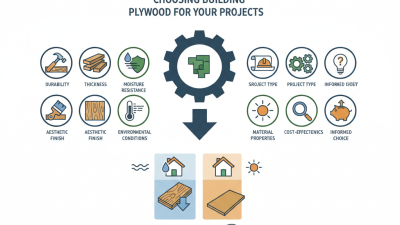
Selection note: Choose the panel grade, thickness, adhesive classification, and surface finish according to the project’s structural, appearance, moisture, and indoor-air-quality requirements. Always follow the applicable local building and product standards.

How Should You Select, Handle, and Maintain Hardwood Plywood?

Hardwood plywood performs well when its construction matches the job. Select panels by thickness, veneer grade, core quality, and intended exposure. Inspect the face for open defects, uneven sanding, and mismatched repairs. Check the edges for voids, because hidden gaps can weaken screws and reveal themselves after cutting. For interior furniture, a stable panel with a moisture content near 6–8% is commonly appropriate, according to the USDA Forest Products Laboratory’s Wood Handbook, FPL-GTR-282 (2021). For damp locations, choose a panel with a suitable bond classification, not merely an attractive surface.

Moisture matters. Store it flat, fully supported, and above the floor. Keep panels away from direct heat and wet concrete. Let them acclimate in the installation room before machining. The Wood Handbook explains that wood expands and contracts as moisture changes, especially across the grain.

I measure the room and panel conditions twice, although I still occasionally underestimate seasonal movement. Leave practical clearance around fixed panels. Seal cut edges with an appropriate finish, because exposed plies absorb water quickly.

Maintenance starts with prevention. Use coasters, remove spills promptly, and clean with a lightly damp cloth. Avoid soaking the surface or using aggressive solvents. Inspect sink bases, cabinet edges, and wall panels every few months. Small swelling deserves attention early. Sourcing also matters. The FAO Global Forest Resources Assessment 2020 reported approximately 420 million hectares of forest loss from 1990 to 2020, despite a slowing rate. Ask suppliers for species information, legal sourcing documentation, and applicable grading records under ANSI/HPVA HP-1. A beautiful sheet is not automatically a responsible choice.