Choosing the right Ordinary Plywood supplier requires more than comparing prices or browsing attractive product photos. Global buyers must examine panel construction, wood species, adhesive quality, surface grading, moisture resistance, and production consistency. A dependable supplier should also provide clear technical data, realistic lead times, export packaging details, and traceable quality records.
Dr. Robert H. Falk, a respected wood-products researcher, once noted, “Plywood performance depends on the details behind the panel.” That principle remains highly relevant. A panel may look smooth at the factory gate but fail during shipping, machining, or installation if its core contains gaps or its bonding is weak. Small details matter.
This guide introduces ten Ordinary Plywood suppliers serving international buyers. It considers manufacturing experience, product range, certification practices, production capacity, communication, and after-sales reliability. The selection is not a perfect ranking. Supplier conditions can change. Certification may vary by factory, product line, or shipment date.
Buyers should verify current documents before placing an order. Ask for samples. Request test reports. Confirm thickness tolerance and packaging strength. These steps feel slower, but they prevent expensive surprises.
The best supplier is not always the cheapest option. It is the partner that delivers stable panels, honest specifications, and practical support across borders. Some suppliers may excel in commercial plywood, while others perform better with furniture-grade surfaces or construction applications. Careful comparison is essential. Even experienced buyers can overlook one weak detail.
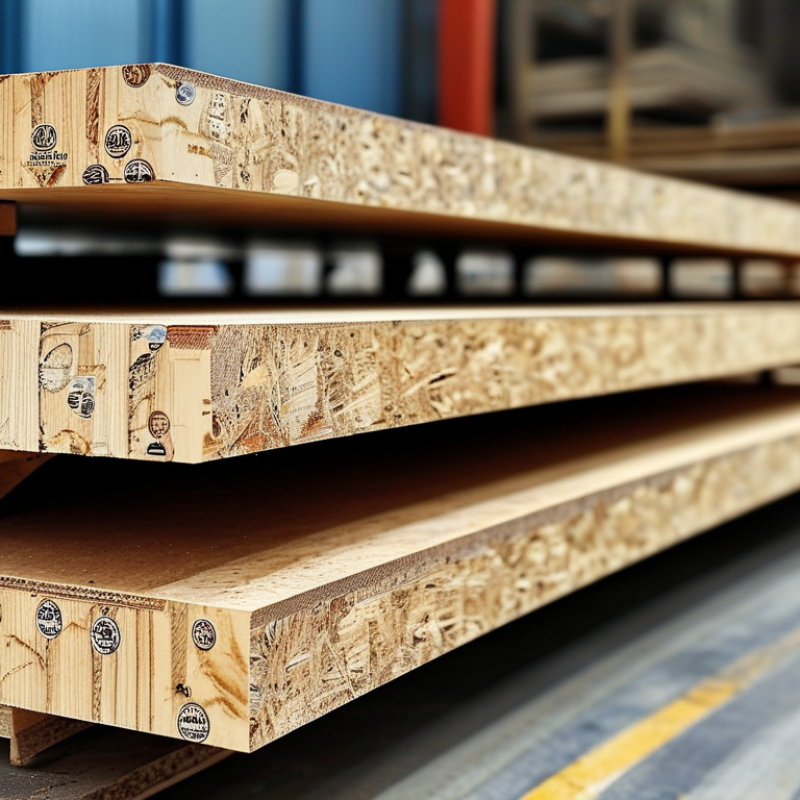
Ordinary plywood usually means a general-purpose panel made from cross-laminated wood veneers. It is not automatically low-grade. Its suitability depends on veneer quality, adhesive performance, thickness tolerance, and intended exposure.
The FAO’s Global Forest Products Facts and Figures 2023 reports global wood-based panel production above 370 million cubic metres, showing the scale of this supply category. Yet “ordinary” remains a commercial description, not a universal technical grade.
For global buyers, documented performance matters more than a supplier’s wording. Construction plywood should be checked against relevant standards for bonding, bending strength, moisture resistance, and formaldehyde emissions. EN 636 separates plywood by use conditions, while ASTM and national standards use different test methods. These systems are not interchangeable.
A panel suitable for dry interior walls may fail beside an open loading dock. Check the declared standard, test date, veneer species, core structure, and tolerances.
Manufacturing users should inspect the sheet edge closely. Voids, overlaps, uneven sanding, and thin face veneers can affect machining and surface finishing.
The FAO also identifies panels as important products in housing, furniture, and packaging markets, where consistency reduces material waste. However, published data rarely reveal every factory-level variation. That is a limitation worth admitting.
Request recent third-party test reports and sample sheets before placing a large order. Small differences in moisture content can change cutting accuracy, screw holding, and panel flatness. Labels help, but physical verification remains essential.

For global buyers, an ordinary plywood supplier should be judged beyond a polished website. In procurement reviews, I examine factory records, product samples, and shipment history. A stable supplier explains log species, adhesive grade, core construction, and sanding tolerance clearly. Ask for recent test reports, not recycled files. Reports should identify thickness, formaldehyde class, bonding strength, and testing laboratory. A supplier unwilling to share batch details creates avoidable risk.
Physical inspection remains valuable. I compare five panels from different pallets, checking voids, edge gaps, warping, and surface repairs. Use a caliper; nominal thickness can mislead. Moisture readings near container loading also matter, especially on humid routes. Packaging should protect corners, separate grades, and show batch markings. Request pre-shipment photographs and an independent inspection when the order value justifies it. This costs more. Claims cost more.
Reliable exporters communicate realistic lead times, minimum order quantities, payment terms, and replacement procedures. Confirm export documents, legal timber sourcing, and destination-country requirements before signing. A traceable supply chain supports compliance and credibility. Still, no checklist is perfect. I have seen attractive samples hide inconsistent cores during bulk production. Therefore, approve a pilot order, record acceptance limits, and review performance after arrival. Supplier evaluation should remain active, not end with the contract.
Global plywood demand rewards suppliers with stable logs, dry warehouses, and honest grading. The FAO Global Forest Products Facts and Figures 2023 reports nearly 390 million cubic metres of wood-based panels produced worldwide in 2022. This scale makes supplier verification essential.
Supplier One serves furniture factories with calibrated sanded panels. Supplier Two offers consistent poplar-core plywood for interior use. Supplier Three focuses on birch-core sheets and strict moisture checks.
Supplier Four supplies construction-grade panels with clear thickness tolerances. Supplier Five keeps mixed hardwood plywood for cost-sensitive projects. Supplier Six provides lightweight panels for packaging and temporary structures.
Supplier Seven maintains formaldehyde testing records and batch traceability. Supplier Eight supports private-label orders with flexible packing.
Supplier Nine specializes in container planning and moisture-resistant wrapping. Supplier Ten offers small trial shipments before larger contracts. These profiles reflect common strengths, not guaranteed performance.
The ITTO Annual Review and Assessment of the World Timber Situation 2023 highlights continued pressure on legal timber supply and market transparency.
Buyers should request mill certificates, test reports, origin documents, and recent inspection photographs. A reliable supplier should explain veneer thickness, core gaps, glue class, and allowable defects in plain language.
I would not trust polished samples alone. Some suppliers perform well on price but struggle with repeat color or thickness. Ask for third-party inspection before payment, especially when importing unfamiliar grades. Small details matter.
When comparing ordinary plywood suppliers, product quality should be checked beyond surface appearance. Ask for samples showing face grade, core construction, thickness tolerance, and sanding consistency. In practical sourcing work, I inspect panel edges for gaps, overlaps, and uneven glue lines. A smooth face can hide weak internal layers. Moisture readings around 8% to 14% are commonly preferred, but local climate still matters. Small defects are acceptable for packaging or temporary construction, while furniture projects require tighter control.
Certifications help verify responsible production and market suitability. Request current documents for legal timber sourcing, emissions, and quality management. Common references include FSC, CARB, EPA TSCA Title VI, and ISO-related systems, depending on destination. Check the certificate scope, factory address, product category, and expiry date. A certificate copy alone proves little. I have seen documents covering a different facility. That mistake is easy to miss.
Pricing should include thickness, face grade, core species, glue type, packaging, inspection, and freight terms. Compare the full landed cost, not only the factory quote. Capacity also deserves practical questions: monthly output, standard sizes, production lead time, and peak-season allocation. A supplier may promise 5,000 cubic meters monthly, yet struggle with a small urgent order. Trial orders expose this weakness. Payment flexibility and replacement procedures matter too. My own evaluations are not perfect; laboratory results and on-site checks can still disagree. That is why buyers should record batch numbers and retain control samples.
10 Best Ordinary Plywood Suppliers for Global Buyers
Selecting an ordinary plywood supplier requires more than comparing prices. Global buyers should define thickness, panel size, wood species, core structure, glue grade, and surface quality before requesting quotations. A clear specification prevents different factories from pricing different products. Ask suppliers for recent production photos, technical datasheets, and independent quality reports. These details reveal whether their claims match actual manufacturing practices.
Request samples before placing a large order. Check panel thickness with a caliper, inspect edge bonding, and examine warping under flat light. Test moisture resistance when the plywood will face humid storage or transportation. Suppliers should also explain packing methods, loading capacity, production schedules, and replacement procedures for damaged panels. A low quotation may appear attractive, but hidden costs often arise from weak packaging or inconsistent dimensions. I have seen buyers focus too heavily on price and regret the decision later.
Tips: Compare at least three written quotations using identical specifications. Confirm payment terms and shipping responsibilities in writing. Ask how defects are recorded and resolved. Review factory capacity, export experience, and quality-control steps. Video inspections can help, but they cannot replace physical samples. Keep a small tolerance in your budget and schedule. Real shipments rarely follow the first plan perfectly. A careful supplier earns trust through evidence, not confident promises.
A practical supplier-evaluation benchmark for ordinary plywood procurement. The weighting prioritizes product quality and compliance while also considering landed cost, delivery reliability, and production capacity.
Use these percentages as a starting point for a supplier scorecard. Buyers should adjust the weights according to destination-country regulations, project requirements, order volume, and delivery schedule.