Why is Building Plywood Essential for Your Construction Projects?
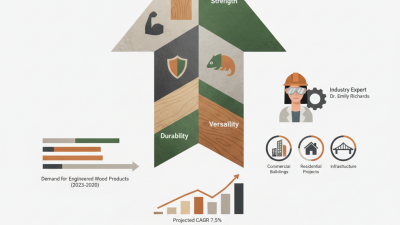
Building Plywood plays a vital role in modern construction projects. Its versatility and strength make it a preferred choice for builders worldwide. According to John Smith, a leading expert in the plywood industry, "Building Plywood is the backbone of any sustainable construction effort." This highlights its importance in creating durable structures.
Selecting the right Building Plywood can significantly influence project outcomes. Many construction professionals emphasize the need for quality materials. Yet, not all plywood options are created equal. Sometimes, cheaper alternatives may compromise safety and durability. This can lead to unexpected challenges during construction.
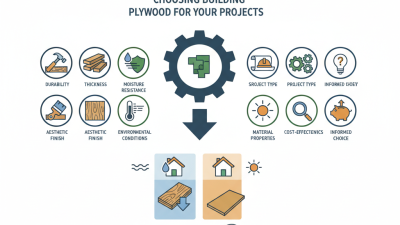
Understanding the unique properties of Building Plywood is essential. It’s designed to handle weight and resist weather elements. However, it’s crucial to consider factors like thickness and grade. A slight oversight in these details could result in setbacks. Building Plywood offers a balance between cost and quality, making it indispensable in construction.
Importance of Plywood in Modern Construction Practices
Plywood plays a crucial role in modern construction practices. As a versatile material, it offers strength and flexibility for various applications. According to reports, the global plywood market is projected to reach over $80 billion by 2027, reflecting its growing importance. This indicates that more construction projects are relying on plywood for framing, flooring, and exterior sheathing.
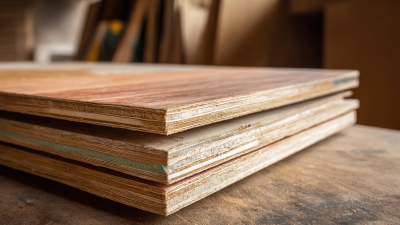
Engineered wood products like plywood are valued for their efficiency. They are typically lighter than solid wood and can be manufactured in large sizes, reducing waste and installation time. A study from the Forest Products Laboratory states that plywood can be up to 50% stronger than comparable solid wood panels. However, quality can vary widely, which makes material selection critical. It's necessary to choose the right grade of plywood to ensure durability.
Installation and sourcing plywood can sometimes pose challenges. Not all suppliers maintain consistent standards, and variations in moisture content can affect performance. Contractors must remain vigilant about sourcing plywood that meets specific project requirements. Neglecting these factors may lead to structural issues down the line. Thus, while plywood is essential, careful consideration is needed throughout the construction process.
Types of Plywood and Their Unique Applications in Building Projects
Plywood is a versatile material essential for construction projects. It comes in various types, each suited for specific applications. Understanding these types can enhance the quality and efficiency of your build.
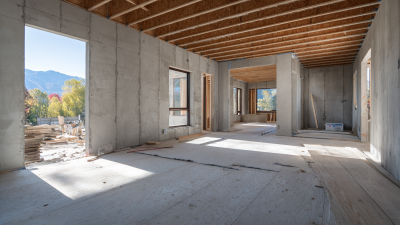
Structural plywood is designed for strength and durability. It’s ideal for flooring and wall sheathing. This material can withstand heavy loads, making it a favorite in commercial builds. In contrast, marine plywood is perfect for areas exposed to moisture. Its layers are bonded with waterproof adhesive, ensuring longevity in humid conditions.
When choosing plywood, consider its intended use. For high-moisture areas, opt for marine-grade to prevent warping. For internal structures, regular structural plywood works well. Always check for certifications to ensure quality.
Reflect on your project needs. Plywood’s versatility means making the right choice is crucial. Don’t rush this decision; it affects the entire build. Different applications warrant different types. Choose wisely to ensure stability and beauty in your project.
Key Benefits of Using Plywood for Structural Integrity and Durability
Building plywood plays a crucial role in construction projects due to its structural integrity and durability. According to a report by the American Plywood Association, plywood can outperform solid wood in strength and stability. This material has a high strength-to-weight ratio, making it ideal for various applications, from floor joists to wall sheathing. Plywood's layered structure resists warping and splitting, which is essential for maintaining a stable framework in changing climates.
When selecting plywood, look for grades suitable for your project’s specific demands. For instance, exterior-grade plywood is better for areas exposed to moisture. This choice helps prevent delamination and preserve longevity. A recent study found that buildings using high-quality plywood can exhibit a life span nearly 50% longer than those using inferior materials. Investing in premium plywood not only enhances durability but also reduces long-term repair costs.
Proper installation is key. Ensure that the edges are aligned and that fasteners are securely placed. Inadequate fastening can lead to structural weaknesses over time. Regular inspections can help identify issues early. This proactive approach is vital; minor adjustments can save significant repairs later. Remember, quality and care in construction directly influence the structure's overall resilience.
Best Practices for Selecting and Sourcing Quality Building Plywood
When selecting building plywood, quality is paramount. Start by examining the wood's grade. Higher grades often mean fewer defects and better overall durability. Look for certifications that ensure the plywood meets industry standards. This helps to ensure you are choosing reliable materials.
Consider the source of your plywood as well. Reputable suppliers often provide more information about their products. Asking detailed questions can reveal the plywood's origin and treatment processes. Keep in mind that local sources can sometimes offer fresher options, reducing transportation impact.
While it may be tempting to choose the cheapest option, remember that lower quality plywood may result in long-term issues. You might face warping or cracking down the line. Evaluate your project's specific needs instead. Sometimes spending a bit more upfront saves you costs later. Reflect on your preferences and requirements to make wiser choices.
Innovative Uses of Plywood in Sustainable and Eco-Friendly Construction
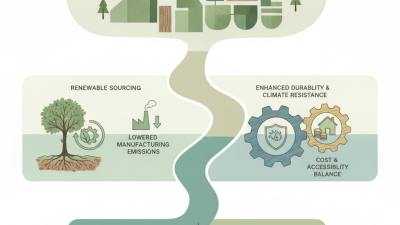
Plywood is transforming the construction industry. Its sustainable attributes make it a vital material for eco-friendly projects. Builders often choose plywood for its versatility and strength. This not only helps the environment but also adds aesthetic value.
In sustainable construction, plywood serves many purposes. It can be used for walls, roofs, and flooring. Its lightweight nature allows for easier handling, reducing labor costs. Many innovative architects now explore creative ways to integrate plywood in designs. From unique furniture to decorative wall panels, its applications are vast.
Using plywood in environmentally-friendly projects has its challenges. Care must be taken to source wood from sustainable forests. Installation can be tricky and requires expertise. Seek guidance from professionals on proper techniques. This ensures durability and maintains eco-credentials. Make sure to research local suppliers to find high-quality options. Remember, sustainable choices today lead to a better tomorrow.
Importance of Plywood in Sustainable Construction