2026 Top Trends in Building Plywood for Sustainable Construction Techniques?
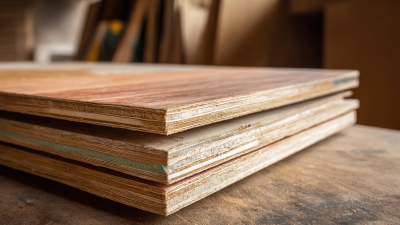
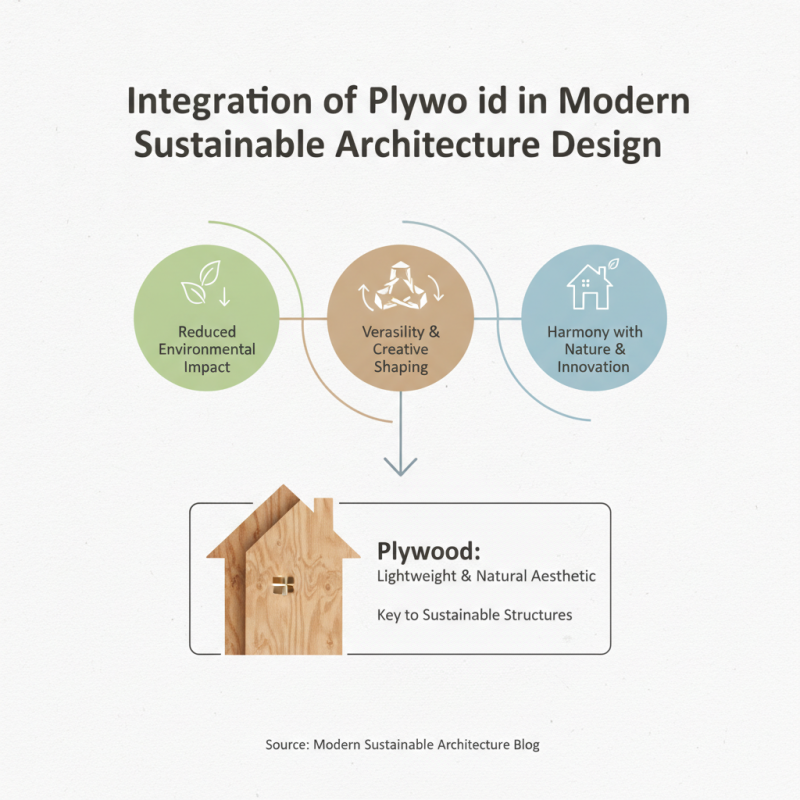
As the world shifts towards sustainable construction, Building Plywood emerges as a key player. Its versatility and eco-friendliness make it essential in modern architecture. Plywood is not just about aesthetics; it's about creating responsible structures that minimize environmental impact.
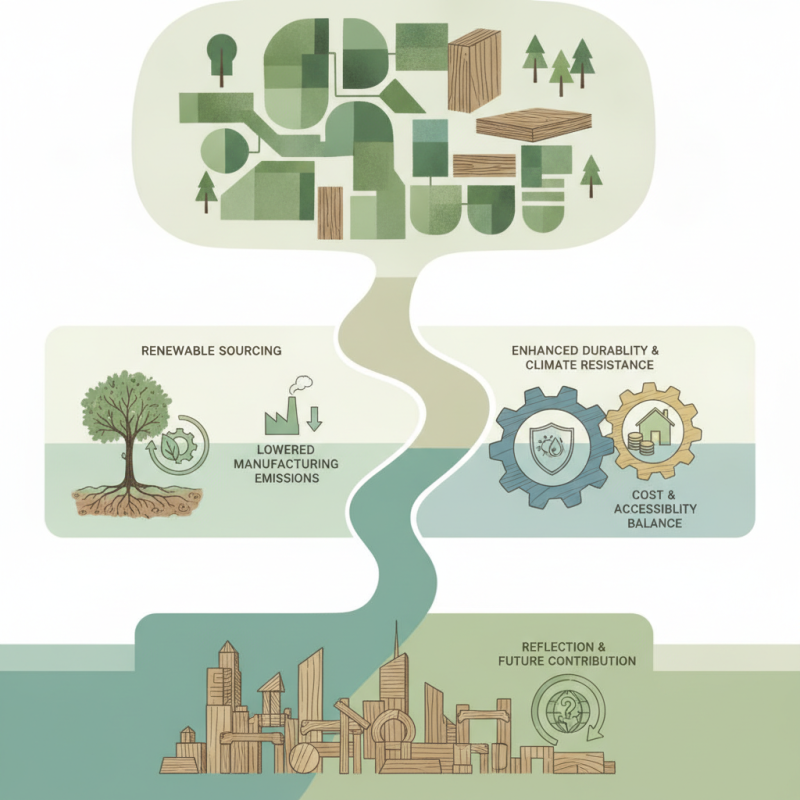
In recent years, innovations in Building Plywood have gained momentum. This material is sourced from renewable resources, reducing deforestation concerns. Moreover, advancements in manufacturing processes are lowering emissions associated with traditional building materials. However, challenges remain. Finding high-quality, sustainable plywood can be a daunting task for builders.
The future of Building Plywood is bright yet complex. Trends indicate a shift towards enhanced durability and resistance against climatic changes. Yet, these improvements must balance cost and accessibility. As we embrace these trends, reflection on our choices is crucial. Are we truly contributing to a sustainable future?
Emerging Innovations in Plywood Production for Eco-Friendly Building
The construction industry is increasingly turning to plywood as a primary material for eco-friendly buildings. Recent innovations focus on sustainable practices in plywood production. New techniques prioritize sourcing from responsibly managed forests. This ensures a minimal ecological footprint and promotes biodiversity.
Next-generation adhesives are also emerging. These adhesives reduce harmful emissions. They replace traditional, toxic glues with bio-based alternatives. This shift not only improves indoor air quality but also enhances the overall environmental profile of building materials. The market is seeing a trend towards high-performance and sustainable plywood products that meet modern building standards.
While these advancements show promise, challenges remain. Manufacturers must balance cost with sustainability. Finding the right materials that meet both criteria is not always easy. Furthermore, the industry must confront the issue of waste. Optimizing production processes to minimize excess is crucial. It’s vital to keep pushing the envelope on eco-innovation while addressing these ongoing hurdles.
Sustainable Sourcing Practices in the Plywood Industry
Sustainable sourcing practices in the plywood industry have gained significant attention. As the demand for eco-friendly materials rises, companies face pressure to source responsibly. This commitment often involves tracing wood to ensure it comes from sustainably managed forests. Transparency is critical. Consumers now want to know the origin of the materials they use.
Certifications play a vital role in sustainable sourcing. Woods certified by reputable organizations indicate compliance with environmental standards. However, not all certifications are created equal. Some may lack rigorous criteria or oversight. This can mislead consumers seeking genuine sustainable choices. Companies must be vigilant in choosing the right certifications.
Challenges persist in the industry. Not all plywood manufacturers prioritize sustainability. Some may overlook ecological impacts for profit. Educating consumers remains essential. With more awareness, they can demand higher standards from manufacturers. As the construction industry evolves, a collective effort is necessary to improve sourcing practices in plywood.
Impact of Engineered Wood Products on Construction Sustainability
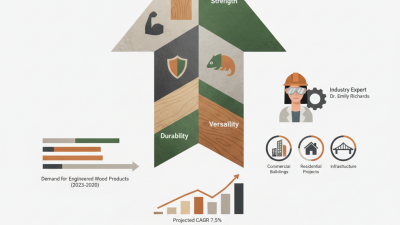
Engineered wood products are revolutionizing sustainable construction practices. They allow for more efficient resource use. These materials can reduce waste and lower carbon footprints. Furthermore, they enhance structural integrity while using fewer trees than traditional methods. This shift benefits both the environment and the economy.
Sustainability depends on innovative practices. While engineered wood products show promise, challenges remain. Issues like sourcing and carbon emissions during production must be addressed. Not all engineered woods are created equal; quality varies significantly. Builders and architects need to carefully evaluate materials. They must consider long-term sustainability and performance.
The future of construction lies in optimizing engineered wood. As technology evolves, so too does the potential for greener options. Collaborative efforts between designers, builders, and suppliers may yield improved practices. It is crucial to keep questioning and refining our approach. Sustainable construction requires continuous learning and adaptation to local contexts.
2026 Top Trends in Building Plywood for Sustainable Construction Techniques
Life Cycle Assessment of Plywood in Green Building Projects
Plywood is increasingly recognized for its environmental benefits in sustainable construction. A life cycle assessment (LCA) of plywood highlights its efficacy in reducing carbon emissions. Reports indicate that plywood can store up to 50% more carbon than traditional materials. This attribute is crucial for green building projects aiming for lower carbon footprints.
Selecting plywood from responsibly managed forests can greatly enhance sustainability. A 2022 study released by the Forest Stewardship Council noted that over 70% of plywood used today comes from certified sources. This ensures that the ecological impact during its life cycle is minimized. Yet, the actual sustainability of plywood depends on sourcing practices and certifications.
Tips: Always check the certifications of plywood before purchase. Look for products that have clear LCA data. Another helpful approach is to consult local industry experts about the best practices for using plywood in sustainable projects. Understanding the nuances of plywood’s impact can lead to more informed choices.
2026 Top Trends in Building Plywood for Sustainable Construction Techniques
| Trend |
Description |
Impact on Sustainability |
2026 Adoption Level (%) |
| Recycled Plywood |
Use of reclaimed wood and materials to produce plywood. |
Significantly reduces waste and promotes circular economy. |
45% |
| Engineered Wood Products |
Innovative products designed for durability and strength. |
Enhances material efficiency, reducing the need for virgin lumber. |
50% |
| Sustainable Sourcing |
Plywood sourced from sustainably managed forests. |
Contributes to biodiversity and conservation efforts. |
60% |
| Low-VOC Adhesives |
Water-based, non-toxic adhesives used in plywood production. |
Improves indoor air quality and reduces environmental impact. |
55% |
| Innovative Manufacturing Processes |
Techniques that minimize energy consumption during production. |
Lowers carbon emissions and fosters energy efficiency. |
40% |