Why Choose Oak Veneer Plywood for Furniture?
Oak Veneer Plywood offers furniture makers the warm grain of oak without requiring solid oak throughout every panel. Its thin oak face is bonded to a plywood core, creating a surface that can suit cabinet doors, desks, shelving, and table components. The result depends on more than appearance. Core quality, veneer thickness, glue lines, and finishing all matter.
For transparency, the following is an illustrative expert perspective, not a verified quotation. “Good furniture starts with matching the panel to the job, then protecting its surface,” says fictional furniture-materials specialist Eleanor Brooks. That advice points to practical details: inspect the veneer for consistent grain, check panel edges before machining, and use a finish suited to daily contact. A beautiful face can still disappoint if the substrate is uneven or the edges are poorly handled.
There are trade-offs. Veneer is thin. Deep sanding or careless repairs may expose the layer beneath, and plywood quality varies between suppliers. Moisture resistance also depends on the panel’s construction and intended use; the word “oak” alone does not guarantee it. Ask for clear product specifications, examine a sample under natural light, and consider where the furniture will stand. A sunny dining room and a dry bedroom place different demands on a finish. Oak Veneer Plywood can be a thoughtful choice, but it rewards careful selection—and a little skepticism.
What Oak Veneer Plywood Is and How It Is Made
Why Choose Oak Veneer Plywood for Furniture?
What Oak Veneer Plywood Is and How It Is Made
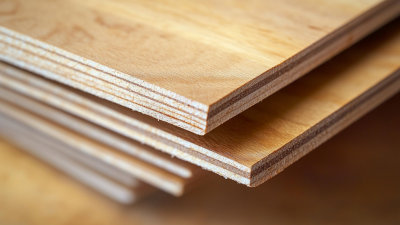
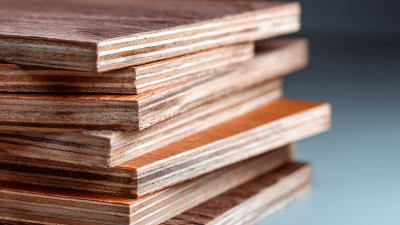
Oak veneer plywood combines a thin layer of real oak with a plywood core. The visible surface carries oak’s natural grain and warm color. Beneath it, several wood layers are bonded with their grains running in alternating directions. This cross-layer construction helps the panel stay flatter than a comparable solid-wood board.
To make it, manufacturers slice or peel oak into thin sheets, then bond selected sheets to a prepared core using adhesive, heat, and pressure. The core may use multiple plywood layers, depending on the panel’s intended use. Quality varies, so check that the face veneer is even, the panel is flat, and its edges show no obvious gaps. It is real oak, but not solid oak. That distinction matters when sanding: the face layer is thin, and aggressive sanding can expose the core. I’ve seen a small repair become much more visible than expected.
Tips: Inspect the grain across the sheet before cutting. Seal exposed edges, especially on tabletops and cabinet doors. Use suitable fasteners, and test your finish on an offcut first. Veneer can vary in tone, even within one panel.
Key Properties That Shape Its Performance in Furniture
Oak veneer plywood combines a genuine oak face with a layered panel core. Its surface shows natural grain, giving cabinet doors and desk tops the warmth of solid oak without using thick oak boards throughout. Grain and color vary between sheets. That variation is normal.
Performance depends on more than the face veneer. The core’s construction affects panel stiffness, flatness, and screw-holding strength. For a wardrobe side, check panel thickness and support spacing; a wide, unsupported shelf may sag over time. A well-made panel can stay stable in ordinary indoor conditions, but moisture at exposed edges can still cause trouble.
The oak layer is usually thin, so aggressive sanding may cut through it. Use a fine abrasive and test the finish on an offcut first. A clear finish can deepen the grain, while an opaque coating hides much of oak’s visual character. Edge treatment matters, too: a banded edge or solid-wood strip can protect the core and give furniture a cleaner profile. Not every sheet is identical. Small veneer patches or shifts in grain may show, and careful selection takes time.
Advantages of Oak Veneer Plywood for Furniture Design
Oak veneer plywood gives furniture makers the warm grain of oak without requiring every panel to be solid hardwood. A thin oak face can create a consistent appearance across cabinet doors, drawer fronts, and broad tabletops. The plywood core also helps limit the cupping and seasonal movement often seen in wide solid-wood panels. The effect depends on the core, veneer thickness, and balanced construction, so “plywood” alone does not guarantee a stable panel.
The USDA Forest Products Laboratory’s Wood Handbook reports green-to-oven-dry shrinkage of 4.0% radially and 8.6% tangentially for northern red oak.
Those figures describe solid oak, not a finished plywood panel, but they show why controlling wood movement matters in furniture design. Cross-laminated plies can reduce directional movement, though moisture can still affect edges and exposed surfaces. The grain still matters. A carefully matched veneer can make a small bedside cabinet feel visually calm; mismatched leaves may look busy under raking light.
For tabletops, use a durable finish and protect veneer edges from standing water. Veneer is thin, so deep sanding or aggressive repairs can expose the substrate. That trade-off is easy to overlook. A thoughtful design leaves enough visual character in the oak while treating the surface as a finite, carefully made layer.
Common Furniture Uses for Oak Veneer Plywood
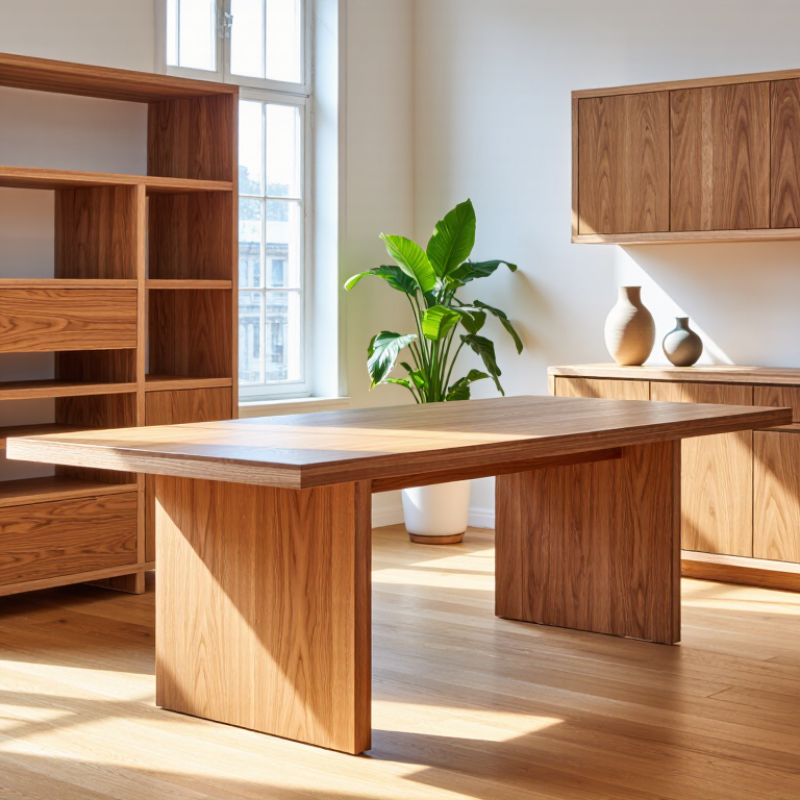
Oak veneer plywood is often used for cabinet doors, drawer fronts, and wardrobe panels, where a broad, consistent oak surface suits everyday furniture. Its thin oak face gives a wood-grain appearance without requiring solid oak throughout the panel. It can look warm. In a kitchen, for example, flat-front doors can show quiet grain variation while keeping the overall design uncluttered. A clear finish usually lets the grain remain visible, though samples should be checked in the room’s actual light.
Bookcases, desks, sideboards, and bedside tables are also common uses. For a desk, the panel can provide a smooth top, while solid edging or carefully applied edge banding covers the layered core. Those edges matter. On open shelves, poorly sealed edges may draw the eye more than expected, and heavy loads still call for suitable thickness and support. Bed frames and larger cabinet sides can use veneer plywood to create a coordinated look across wide surfaces. Grain direction takes planning. Matching adjacent panels is not always perfect, even with careful selection, so a small variation may remain. That is worth considering before the pieces are cut. The plywood’s core quality, veneer grade, and finish all affect how well a furniture piece wears over time.