How to Choose the Best OSB Tongue and Groove for Your Project?
Choosing the best OSB tongue and groove for your project can feel overwhelming. Expert architect Jane Smith emphasizes, "The right OSB tongue and groove can elevate your build quality." This underscores the importance of making an informed decision.
OSB tongue and groove panels are widely used in construction and renovation. They offer both strength and versatility. Selecting the right type depends on various factors like thickness, grade, and application. Many people overlook these details, leading to future complications. For example, using the incorrect grade may compromise structural integrity. It’s vital to weigh all options carefully.
As you embark on your project, consider your specific needs. Reflect on the environment, exposure to moisture, and load-bearing requirements. Making the right choice in OSB tongue and groove materials can impact your project’s outcome significantly. Each decision shapes the final product, so take the time to explore possibilities.
Understanding OSB Tongue and Groove: Definition and Advantages
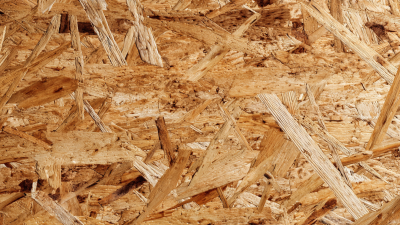
OSB tongue and groove, or oriented strand board, is a popular choice for construction projects. It consists of wood strands glued together in layers, forming a strong and durable panel. This material is commonly used for subflooring, walls, and roofing. One major advantage of OSB tongue and groove is its ease of installation, particularly since the interlocking edges create a solid and stable surface.
When using OSB tongue and groove, consider its moisture resistance. While it is engineered to withstand some humidity, prolonged exposure can lead to swelling. Test your environment before installation to ensure it's suitable. Additionally, proper sealing can extend the life of the panels.
Tips: Always account for potential expansion and contraction with temperature changes. Leave a small gap for airflow and ensure a tight fit. This helps minimize any risks associated with moisture buildup. Pay attention to panel thickness; thicker boards provide added strength but may also impact the weight of your project. Choosing wisely will make all the difference in your construction endeavor.
Factors to Consider When Choosing OSB Tongue and Groove Panels
When selecting OSB tongue and groove panels, several factors are crucial. Consider the thickness of the panels. Thicker panels often provide greater strength and durability. Think about the size and type of your project. Larger spaces might benefit from wider panels, simplifying installation and reducing seams. Pay attention to the moisture resistance of the OSB. Areas prone to humidity require panels treated for water exposure.
Another important aspect is the panel grade. Higher grades usually mean fewer defects and uniformity, which can enhance appearance and performance. You should also evaluate the panel’s load-bearing capacity. This is vital if the panel will support heavy loads. Finally, consider your local climate. Environmental factors can influence the longevity and integrity of your OSB panels. Researching these criteria ensures you select the right materials for your needs.
Factors to Consider When Choosing OSB Tongue and Groove Panels
Popular OSB Tongue and Groove Sizes and Thicknesses Explained
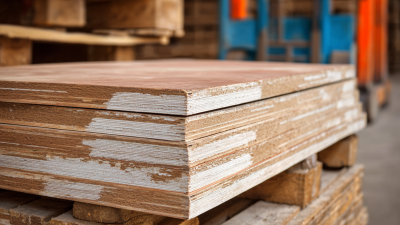
When it comes to OSB tongue and groove panels, size and thickness play crucial roles in your project’s success. Typically, these panels come in thicknesses ranging from 1/4 inch to 1 inch. A common choice for flooring is 3/4 inch, which offers strength and durability. For walls, 1/2 inch is popular, striking a balance between weight and sturdiness.
Understanding the size options is essential. Standard widths of 4 feet remain constant, but lengths can vary significantly. Some can be as short as 8 feet, while others stretch to 12 feet or more. This variability can impact installation processes. Longer panels reduce the number of seams, which can lead to a more seamless look. Yet, handling larger boards can be tricky.
Thickness and size should align with the specific demands of your project. For instance, thinner panels might bend under pressure, while too thick may be unnecessary and burdensome. It’s important to consider the specific application, load requirements, and aesthetic choices you hope to achieve. Remember, reflecting on your real needs can save time and resources.
Evaluating the Quality of OSB Tongue and Groove Products
When selecting OSB tongue and groove products, quality evaluation is crucial. Start by examining the thickness of the boards. Thicker panels usually offer better durability and stability for your project. Consider the density of the OSB; denser boards tend to be stronger and more resistant to warping. Look for products with a smooth surface as they are easier to finish and work with.
Inspect the edges of the panels closely. Well-defined tongue and groove edges ensure a proper fit, contributing to structural integrity. Additionally, observe any signs of delamination or defects. Small inconsistencies can lead to larger issues down the line. It's essential to check the manufacturer's specifications for moisture resistance as this affects performance in humid environments.
Finally, gather testimonials from other users when possible. Real-life experiences provide valuable insights that specifications alone cannot convey. A project’s success often relies on the materials chosen, so don't rush the selection process. Taking the time to evaluate OSB tongue and groove quality can save you headaches later.
Tips for Installation and Maintenance of OSB Tongue and Groove Panels
When installing OSB tongue and groove panels, preparation is key. Ensure your workspace is clean and dry. Measure the area carefully to avoid mistakes. Cutting OSB involves sharp tools, so safety gear is essential. Use a circular saw for straight cuts and ensure the blade is sharp for clean edges.
During installation, pay attention to humidity levels. OSB can expand or contract with moisture. Leave small gaps for expansion at the edges to prevent buckling. Fasteners should be spaced adequately, about 16 inches apart, to ensure stability. Remember, not every panel will fit perfectly, so be patient when aligning them.
Maintenance is often overlooked but crucial for longevity. Check for signs of warping or water damage regularly. Clean the panels with a damp cloth; avoid harsh chemicals. Repainting or refinishing can enhance durability. If imperfections arise, address them early to prevent larger issues. A well-maintained installation secures the overall integrity of your project.