What is Structural Plywood and How is it Used in Construction?
Structural Plywood plays a crucial role in modern construction. It is a type of engineered wood made from multiple layers of thin veneers. Each layer is glued together, resulting in a strong and reliable product. Renowned expert in construction materials, Dr. Emily Carter, states, "Structural Plywood combines strength with versatility, making it essential for builders."
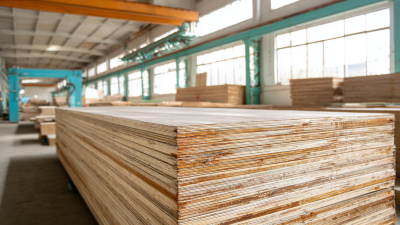
In construction, Structural Plywood is used in walls, roofs, and flooring. Its durability and resistance to warping and cracking make it preferable over traditional materials. Builders often rely on it for framing and sheathing. The lightweight nature of Structural Plywood simplifies transportation and installation, saving both time and labor costs.
However, challenges exist in sourcing high-quality Structural Plywood. Not all products meet the industry standards. This can lead to structural failures and costly repairs. It is vital for builders to research and select reliable suppliers. Overall, while Structural Plywood offers numerous advantages, caution is necessary in its application.
What is Structural Plywood?
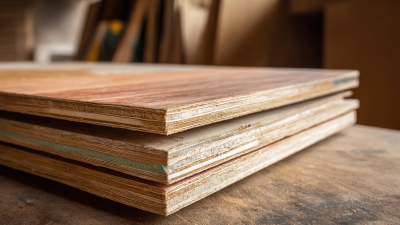
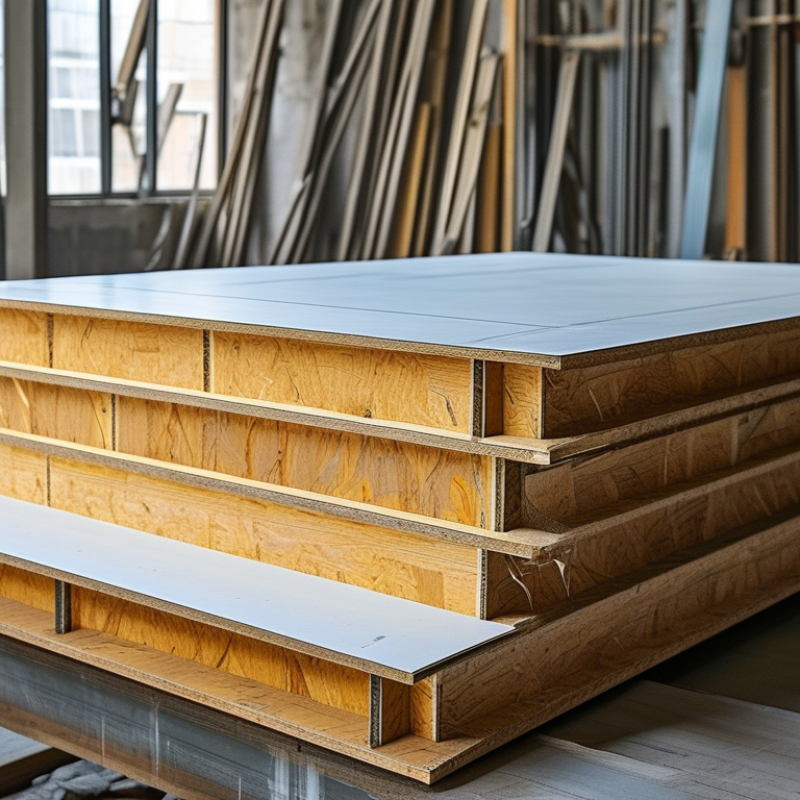
Structural plywood is a versatile building material made from layers of wood veneer. These layers are glued together in a specific grain pattern, which enhances strength and durability. Structural plywood is often used for flooring, roofing, and wall sheathing in many construction projects. Its ability to bear weight makes it ideal for structural applications.
When considering structural plywood, a few tips can help you make the best choice. First, look for plywood with a high grade. Higher-grade plywood has fewer defects and is more reliable for structural use. Next, think about the environment where the plywood will be used. For example, exterior-grade plywood is treated to resist moisture and should be chosen for outdoor projects.
Additionally, always test your materials before use. Not all plywood performs the same under stress. It’s essential to ensure adequate performance, especially in critical structural areas. Be open to consulting with professionals for advice on load-bearing capacities and installation techniques. This can save time and prevent costly mistakes in the future.
Characteristics and Properties of Structural Plywood
Structural plywood is an engineered wood product commonly used in the construction industry. It features multiple layers of thin wood veneers glued together. This design gives plywood its remarkable strength and stability. According to a report by Wood Products Journal, structural plywood can withstand significant weight, making it ideal for flooring, walls, and roofs.
One key characteristic is its shear strength, which greatly enhances the structural integrity of buildings. A study from the American Plywood Association noted that structural plywood has a shear strength rating of around 300 to 450 pounds per square foot. This high rating means it can support heavy loads, crucial for load-bearing applications. Additionally, structural plywood is resistant to warping, which ensures a flat, stable surface over time.
However, it’s essential to consider the environmental aspects. Producing plywood can generate waste, and some manufacturing processes may not be sustainable. The durability of plywood is also contingent on proper treatment. Untreated panels can deteriorate in moisture-prone areas. Therefore, builders must weigh the benefits against these potential drawbacks when selecting structural plywood for projects.
Common Applications of Structural Plywood in Construction
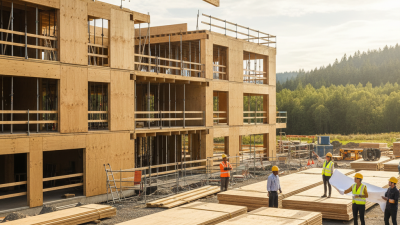
Structural plywood is a versatile material that plays a crucial role in construction. Its strength and durability make it ideal for a range of applications. Builders commonly utilize this material for flooring, wall sheathing, and roof construction. Each of these uses benefits from plywood's load-bearing capabilities, ensuring stability in structures.
In flooring applications, plywood provides a strong base that supports heavy loads. When used as wall sheathing, it adds an extra layer of strength and insulation. For roofs, structural plywood forms a reliable framework that withstands various weather conditions.
Despite its advantages, there are challenges. Environmental factors can affect plywood's longevity. Moisture and humidity can lead to warping or deterioration. It's essential to choose the right grade and treatment to avoid these issues. Proper installation is crucial for maximizing performance. Builders must pay attention to these details to ensure the project's success.
Benefits of Using Structural Plywood in Building Projects
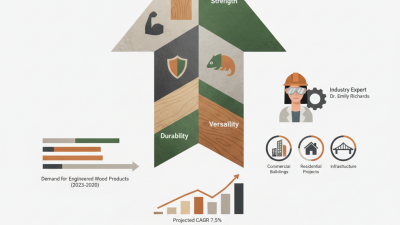
Structural plywood is increasingly recognized for its role in modern construction. It offers impressive strength and durability. According to a report by the Allied Market Research, the global structural plywood market is projected to reach $12.9 billion by 2026, driven by a surge in building projects. This material's engineered properties make it climatically resilient and suitable for various structural applications, like flooring, wall sheathing, and roofing.
The benefits of using structural plywood are significant. Its lightweight nature helps reduce the overall weight of construction, leading to potential savings in foundation costs. Additionally, structural plywood features a high strength-to-weight ratio. This means it can withstand heavy loads while remaining manageable. Moreover, it is biodegradable and sourced from renewable forests, making it an environmentally friendly choice. Yet, it’s essential to consider that improper installation can lead to moisture retention, impacting its longevity.
Cost efficiency is another aspect worth noting. A study by the Wood Products Council indicates that using structural plywood can lower construction costs by 10-15%. This cost reduction is vital for developers and contractors aiming for budget compliance. However, reliance on structural plywood should be balanced with careful planning and analysis of climatic conditions to ensure optimal performance.
Benefits of Using Structural Plywood in Building Projects
Installation and Maintenance Considerations for Structural Plywood
Structural plywood is widely used in construction due to its strength and durability. However, proper installation and maintenance are crucial for ensuring it serves its intended purpose. When installing structural plywood, it is important to consider the environment. Moisture levels and temperature fluctuations can affect the plywood's performance. Seal edges with water-resistant paint or sealant to enhance durability.
When it comes to maintenance, regular inspections are essential. Look for signs of wear, such as cracks or delamination. If detected early, these issues can be repaired easily. Neglect can lead to larger problems, like structural failure. Keep the plywood clean and avoid exposure to excessive moisture. This can prolong its life and maintain its integrity.
Tips: Use a moisture meter to check wood dryness. This tool can help you ensure optimal conditions for plywood. Apply a protective finish to improve its resistance to wear and tear. Don't forget to educate your crew about proper handling techniques. This can prevent damage during installation. A small mistake can lead to bigger issues down the road.