What Is an OSB Manufacturer and How to Choose One?
Choosing an OSB Manufacturer is not simply a search for the lowest quoted price. It is a decision about structural performance, consistency, safety, and long-term supply reliability. An experienced manufacturer should explain wood species, strand orientation, resin systems, pressing temperatures, moisture control, and product testing clearly.
Mark Tibbetts, president and CEO of APA–The Engineered Wood Association, has emphasized a practical industry principle: “Engineered wood performance depends on consistent quality and verified standards.” That idea matters when comparing suppliers. Ask for current certifications, technical data sheets, factory test reports, and traceability records. A credible OSB Manufacturer should welcome detailed questions rather than hide behind attractive brochures.
Look closely at the production facility’s experience. Does it maintain stable panel thickness? Can it control density across each board? Are batch records available? Small variations can affect machining, fastening, swelling, and installation results. Samples help, but samples alone can mislead. Request production from different batches when possible. Visit the plant if the project is large.
Price still matters. It should not lead the decision. A cheaper panel may create higher waste, delays, or replacement costs. No manufacturer is perfect. Even strong suppliers can face raw-material changes, equipment downtime, or communication gaps. That is why written specifications, inspection procedures, and realistic delivery commitments are essential. The right OSB Manufacturer combines technical evidence with honest communication, dependable capacity, and a willingness to improve when problems appear.
What Is an OSB Manufacturer?
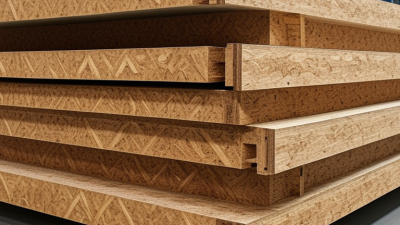
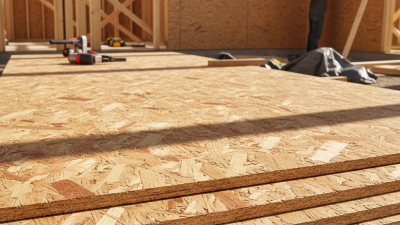
An OSB manufacturer is a company that produces oriented strand board from thin, engineered wood strands. These strands are dried, coated with resin, and arranged in controlled directions. The layered mat is then pressed under heat and pressure. This process creates panels with reliable strength, consistent thickness, and practical dimensional stability.
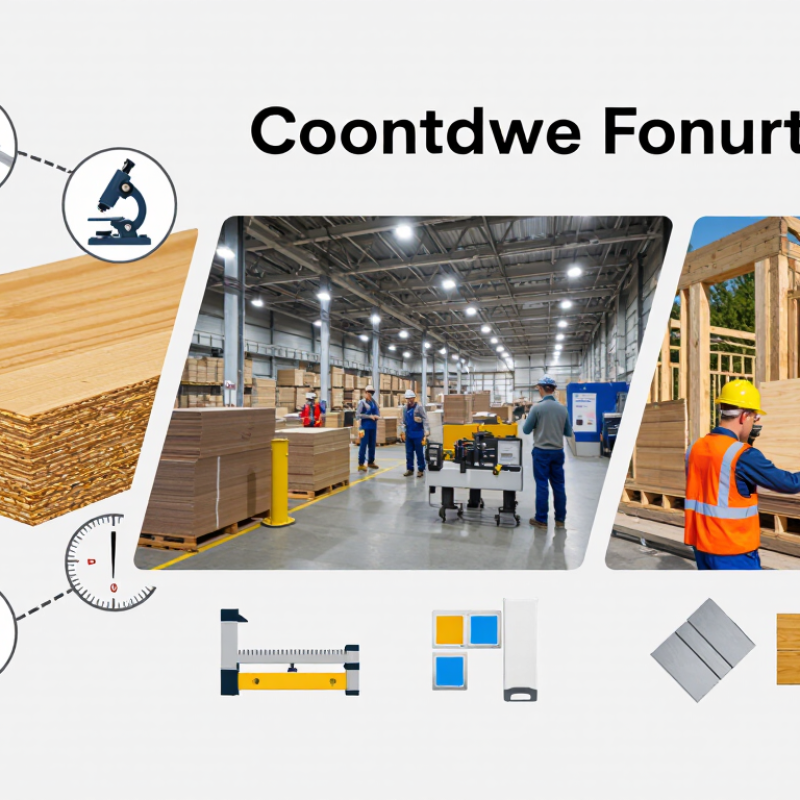
A responsible manufacturer manages every stage, from raw wood selection to final inspection. Experienced technicians check strand moisture, adhesive distribution, pressing temperature, and panel density. Small variations can affect screw holding, edge quality, and resistance to swelling. They also test bending strength, internal bond performance, and formaldehyde emissions according to recognized standards. Certification matters, but it should support real production evidence, not replace it.
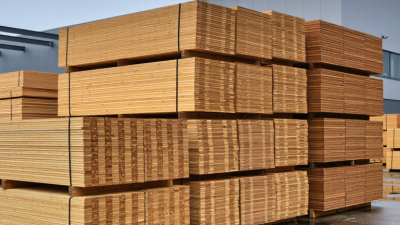
Ask how the factory handles batch records and customer complaints. Request technical data, test reports, and clear product grades. A dependable supplier should explain whether its panels suit roofing, wall sheathing, flooring, or packaging. The factory should also discuss storage conditions, because damp warehouses can damage otherwise sound boards. Look closely.
Manufacturing is not perfectly uniform. Wood is a natural material, and occasional variation can appear. The better companies acknowledge this risk and improve their controls instead of hiding it. In my experience, transparent communication often reveals more than polished sales language. A useful manufacturer answers practical questions before an order is placed.
How OSB Manufacturers Produce and Grade Their Panels
What Is an OSB Manufacturer and How to Choose One?
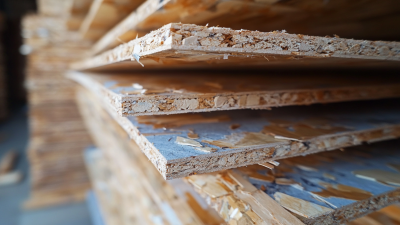
An OSB manufacturer turns thin wood strands into engineered panels. Logs are debarked, cut into strands, dried, and screened by size. The strands receive resin and a small amount of wax. Orienting machines place them in cross-directional layers. This structure gives OSB strength across the panel, not just along its length.
The forming line builds a loose mat before hot pressing begins. Heat and pressure cure the resin and compress the mat to a controlled thickness. Press temperature, moisture content, and pressing time need close monitoring. A minor moisture variation can cause swelling, weak bonding, or uneven edges. Experienced manufacturers test samples from the production line. They check bending strength, internal bond, thickness, moisture, and dimensional stability. Some tests follow recognized classifications, such as structural and non-structural grades under applicable standards.
Grade markings should match the panel’s intended use. A suitable manufacturer can explain load performance, exposure resistance, and thickness tolerances in clear language. Ask for recent laboratory reports and batch traceability. Do not rely on appearance alone. A smooth surface may still hide poor internal bonding. I have found that clean documentation often matters as much as polished panels. Still, paperwork is not perfect evidence. Production records, independent testing, and consistent delivery history deserve comparison. A careful buyer should also inspect panel edges, storage conditions, and packaging before accepting a shipment.
OSB Panel Grades: Minimum Bending Strength
OSB manufacturers classify panels according to performance requirements. The chart compares the minimum characteristic bending strength specified for the major and minor axes under EN 300.
Values shown in N/mm². OSB/1 is intended for general-purpose use in dry conditions, OSB/2 for load-bearing use in dry conditions, OSB/3 for load-bearing use in humid conditions, and OSB/4 for heavy-duty load-bearing use in humid conditions.
How to Evaluate an OSB Manufacturer’s Quality and Capacity
An OSB manufacturer converts oriented wood strands into engineered panels for construction and furniture applications. Choosing one requires more than comparing price lists. The real test is repeatable quality under ordinary production pressure. Ask for product specifications, test reports, and production records. Look for panel density, thickness tolerance, moisture resistance, bonding performance, and surface consistency. A reliable supplier explains how each value is measured. Vague claims deserve careful questions.
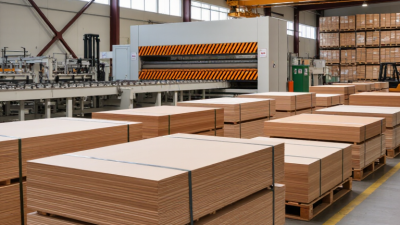
Visit the plant when possible, even if the tour feels routine. Observe strand preparation, resin dosing, mat forming, pressing, trimming, and storage. Clean equipment and controlled moisture levels often reveal stronger process discipline. Request recent samples from different production dates. Measure thickness at several points, inspect edges, and check warping after conditioning. One attractive sample proves little. I once focused too heavily on laboratory data and overlooked uneven packaging. That mistake showed me that delivery condition also affects usable quality.
Capacity should be verified, not assumed from a large facility. Review monthly output, press dimensions, shift patterns, maintenance planning, and backup equipment. Ask whether the factory can reserve capacity during seasonal demand. Confirm lead times using realistic order volumes, not ideal scenarios. A capable manufacturer should provide traceable batch numbers and respond clearly to complaints. Check references from buyers with similar panel grades and shipment requirements. Do not ignore smaller gaps in communication. They may become costly delays later. No audit is perfect. Leave room for rechecking assumptions before signing a long-term supply agreement.
What Factors Should Guide Your Final Manufacturer Choice?
What Is an OSB Manufacturer and How to Choose One?
Your final OSB manufacturer choice should begin with verified performance, not a low quotation. The USDA Forest Products Laboratory’s Wood Handbook explains that moisture changes can cause panel swelling, shrinkage, and reduced dimensional stability. Ask manufacturers for thickness tolerances, moisture resistance data, and test results under ASTM D1037 or EN 300 methods. A reliable supplier should explain these figures clearly. If the sales team avoids technical questions, treat that as useful evidence.
Production consistency matters just as much. Request recent factory quality records, batch-traceability procedures, and third-party certification documents. EN 300 classifies OSB from OSB/1 to OSB/4, with OSB/4 designed for higher mechanical demands. The correct class depends on load, humidity, and installation conditions. Bigger is not always better. The wrong grade can waste material and complicate construction.
Visit the plant when possible. Look at resin application, strand orientation, pressing controls, edge sealing, and storage practices. The European Panel Federation’s industry reports repeatedly identify energy use, raw-material efficiency, and emissions control as major panel-sector performance concerns.
Ask for formaldehyde test results and product environmental documentation, such as an EPD. Also compare delivery reliability, packaging quality, complaint response, and technical support.
I would not trust a perfect sample alone; one shipment may hide process variation. A small pilot order, followed by independent inspection, can reveal more than a polished presentation.