What is Film Faced Plywood and Its Key Applications?
Film Faced Plywood is increasingly becoming a crucial choice in the construction industry. This unique plywood is engineered to withstand moisture and heavy use, making it perfect for various applications. According to a report by Mordor Intelligence, the global market for Film Faced Plywood is projected to grow at a CAGR of over 5% from 2021 to 2026.
Expert John Smith, a leading figure in the plywood industry, has noted, "Film Faced Plywood bridges the gap between durability and versatility." This highlights its important role in infrastructure and the construction of high-quality forms for concrete pouring. However, as the demand rises, sustainability concerns emerge. Are we sourcing these materials responsibly?
The balance between quality and environmental impact is delicate. While Film Faced Plywood offers impressive performance, questions about its production methods warrant consideration. Builders must reflect on their choices. Investing in sustainable practices could reshape the industry's future.
Definition and Composition of Film Faced Plywood
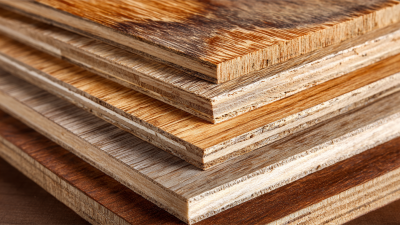
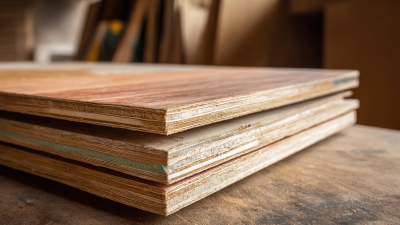
Film faced plywood is a specialized type of plywood. It features a thin film on its surface, which is typically made from phenolic resin. This film enhances its durability and water resistance. The plywood itself is crafted from several layers of wood, glued together under high temperatures. This layered structure adds strength and stability.
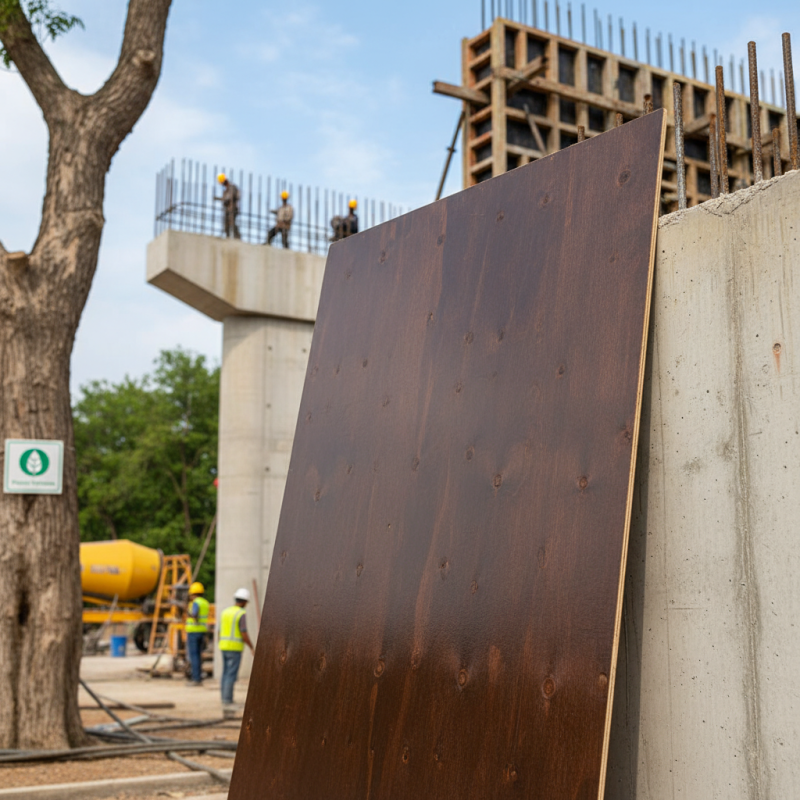
One key application of film faced plywood is in construction. It serves as a reliable formwork for concrete. This material helps achieve smooth surfaces in structures like bridges and buildings. Since it resists water and chemicals, it can be reused multiple times. This aspect makes it economical for builders.
Tips: When choosing film faced plywood, consider the thickness. Thicker plywood can endure more pressure. Always check for defects on the surface. Minor flaws can affect performance. Maintaining proper storage conditions is also essential. Moisture can warp the plywood, leading to issues during use.
Key Characteristics that Distinguish Film Faced Plywood
Film faced plywood is a special type of plywood that features a durable film coating. This coating provides a layer of protection against moisture and wear. It typically consists of a phenolic resin, which enhances its performance in challenging conditions. The film surface creates a smooth finish, making it easy to clean and maintain.
One of the key characteristics of film faced plywood is its strength. It is designed to withstand heavy loads, making it ideal for construction applications. This plywood can resist warping, cracking, and splitting, especially in humid environments. However, it's not invincible. Prolonged exposure to water can lead to deterioration.
Another important feature is its versatility. Film faced plywood is used in various construction projects, from formwork to temporary structures. It is available in different thicknesses and sizes. Yet, some may find selecting the right type challenging due to the variety available. Additionally, while the surface is smooth, it may require a sealant for optimal performance in certain applications. This highlights a need for careful consideration when choosing film faced plywood.
Common Applications of Film Faced Plywood in Construction
Film faced plywood is widely used in construction due to its durability and waterproof characteristics. It is particularly effective in concrete formwork. The film layer prevents moisture ingress, which reduces the risk of warping or swelling during the pouring process. According to the Global Plywood Market Report, film faced plywood accounts for about 25% of the total plywood market, emphasizing its vital role.
Common applications include high-rise buildings and infrastructure projects. Many contractors choose this material for its strength and versatility. In a recent survey, nearly 60% of construction professionals reported using film faced plywood in their projects. Its smooth surface allows for a high-quality concrete finish. However, some issues remain. Users often face challenges in terms of weight and handling. This can lead to inefficiencies on-site.
Another important use is in the production of temporary structures. Film faced plywood serves well for site offices and storage units. It is easy to assemble and dismantle. Still, it is essential to consider the environmental impact of its production. The sourcing of wood can be questioned. Overall, the benefits are significant. But, it is crucial for the industry to address sustainability concerns moving forward.
Advantages of Using Film Faced Plywood for Formwork
Film faced plywood is a versatile material widely used in construction, especially for formwork. Its surface is coated with a thin film of phenolic resin, which enhances durability and water resistance. This property allows for easier cleaning and reuse, making it a cost-effective solution over time.
Using film faced plywood provides several advantages. Research indicates that it can reduce concrete adhesion, which simplifies stripping forms after curing. This benefit can significantly decrease labor costs by saving time on form removal. Additionally, film faced plywood is less prone to warping, making it reliable for various weather conditions. Studies show that projects utilizing this material often experience less waste, contributing to a more sustainable approach.
Despite its advantages, some challenges exist. The initial purchase price can be higher than traditional plywood. Builders must assess the long-term value, weighing upfront costs against potential savings in labor and material. If not done properly, inadequate maintenance can lead to reduced lifespan. Decision-makers should be aware of these factors to ensure the material aligns with project goals.
Maintenance and Care for Film Faced Plywood Products
Maintaining film faced plywood is essential for its longevity. Regular cleaning can prevent buildup that might affect its surface. Use a damp cloth to wipe away dirt. Avoid harsh chemicals that can damage the film. This simple step helps keep it looking new.
Inspecting the edges frequently is necessary to avoid delamination. If you notice any signs of wear, address them quickly. Moisture is a common enemy. Always store plywood in a dry environment. Indoors is ideal, especially in humid areas.
These steps may seem basic, but neglecting them can lead to costly repairs. Understanding its needs helps prolong its lifespan. Film faced plywood can be durable when cared for properly, but it's not invincible.
Film Faced Plywood Applications and Maintenance Overview