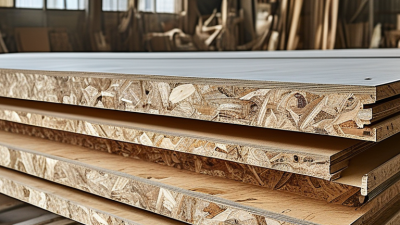
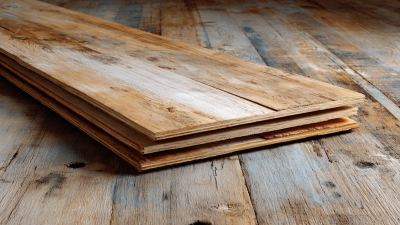
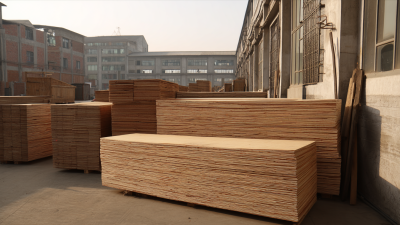
Commercial Plywood is widely used where builders and manufacturers need sheet material that is workable, versatile, and relatively economical. It can form cabinet carcasses, shelves, desks, wardrobes, wall partitions, and interior linings. In a workshop, a clean sheet may become a painted cupboard side; on a job site, it may serve as backing beneath a finish. Its layered construction helps limit movement compared with many solid wood boards, though performance depends on the product and its conditions.
It is not one universal grade. Face quality, thickness, adhesive, and core construction can differ between suppliers and markets. That matters. A smooth face may suit visible furniture, while a less refined panel may be better for hidden components or temporary protection. Commercial Plywood is generally associated with interior applications, but the label alone does not confirm moisture resistance or structural suitability. Check the product specification and match it to the intended use.
This article looks at common applications, from furniture and cabinetry to interior construction and packaging, and explains what to consider before choosing a panel. For example, a cupboard near a sink faces different conditions from a dry bedroom shelf. Small details count. Even experienced buyers can assume too much from the word “commercial.” It is wiser to verify the grade, edge quality, and installation requirements before cutting the first sheet.
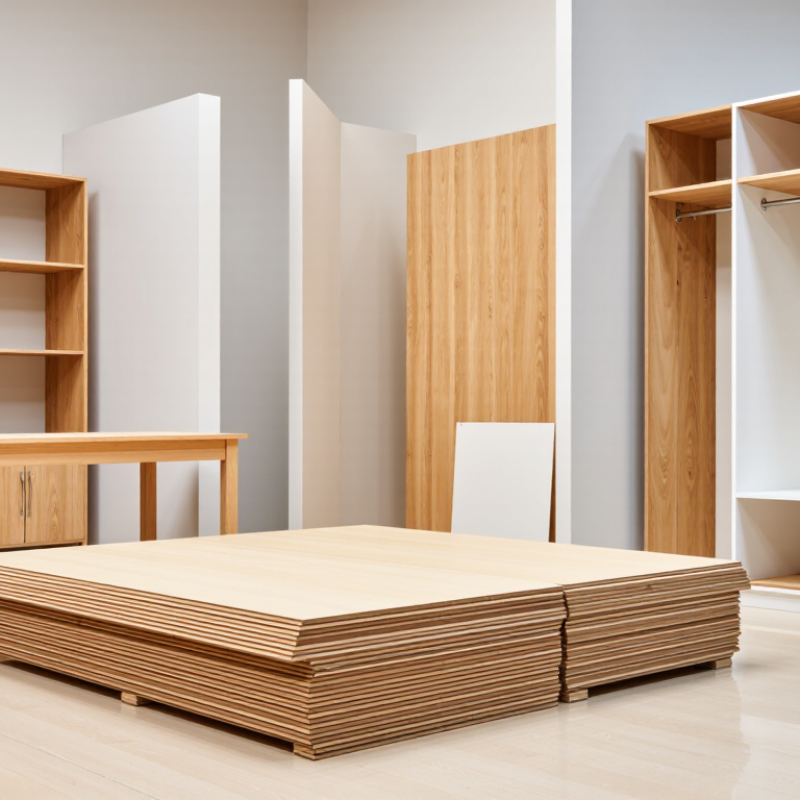
Commercial plywood is commonly used for roof, wall, and floor sheathing. Large panels cover framing quickly, while their layered veneers help resist splitting and movement. On a roof, sheets form a base beneath shingles or other finishes. In walls, sheathing can add rigidity when installed with the specified fastening pattern. Subfloors are another common use, especially where panels must bridge joists and support foot traffic. Check the panel grade and span rating; “commercial” alone does not confirm structural suitability.
Plywood also appears in concrete formwork, temporary site partitions, and interior backing. Formwork panels need smooth faces and edges that can tolerate repeated handling, though reuse depends on care and exposure. Moisture deserves attention. The USDA Forest Products Laboratory’s Wood Handbook, FPL-GTR-282, reports that wood’s fiber saturation point is about 30% moisture content. Prolonged wetting can still damage panels, especially at unsealed edges. A small detail. Seal exposed cuts where appropriate, and match the panel’s exposure classification to the job. I would not assume one sheet can serve every purpose; checking the specification may feel tedious, but it can prevent a soft, uneven floor or swollen edge.
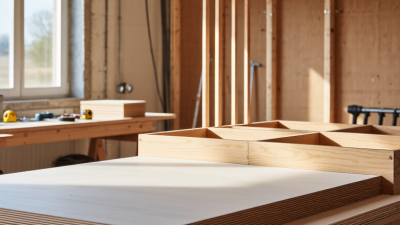
Commercial plywood is often used as an interior wall lining where a tough, even surface is useful. It can be painted, sealed, or left visible for a straightforward timber finish. Check the panel grade and face quality before choosing: a surface intended for general use may show patches or uneven grain under clear coating. For painted walls, fill fastener holes and sand the joints carefully. Small gaps matter.
On ceilings, plywood panels can create a warmer look than plain plasterboard, but they need secure fixing to suitable framing. Leave room for slight movement at panel edges, especially where indoor humidity changes. For flooring, plywood may serve as an underlayment or, when its rating and thickness allow, part of a floor system. Confirm the panel’s specifications and support spacing rather than judging by appearance alone. A firm, dry subfloor helps reduce squeaks, though it cannot correct weak joists. There is a trade-off: plywood is practical and adaptable, but seams and surface flaws can remain visible if installation is rushed. Test a small area first.
Commercial plywood is valued in furniture and cabinetry because its cross-laminated veneers help panels stay flatter than many solid-wood boards. The USDA Forest Products Laboratory’s 2021 Wood Handbook describes plywood as three or more veneer layers, with adjacent grain directions generally set at right angles. That construction suits wardrobe sides, drawer bottoms, desk tops, and cabinet carcasses. In a workshop, 12- to 18-millimetre panels are common choices for carcasses and shelves, while thicker stock can support longer spans. Small details matter. Edge banding protects exposed plies and gives a cleaner finish.
For shopfitting, plywood is used in counter fronts, display shelving, wall panels, and movable retail fixtures. APA’s Engineered Wood Construction Guide identifies 4-by-8-foot panels as a common planning size, helping fabricators map large parts onto standard sheets. Good planning reduces waste. But the layout is not always efficient: grain direction, visible faces, and cut-outs can leave awkward offcuts. A smooth face can take paint or laminate well, yet fasteners near an edge may split thin plies. Test the finish on a sample first, and check the panel grade and veneer quality against the fixture’s load and expected wear.
| Application | Typical Uses | Common Thickness Range | Useful Characteristics | Selection Considerations |
|---|---|---|---|---|
| Furniture | Tabletops, desks, shelving, drawer components, bed frames, and cabinet carcasses | 12–25 mm, depending on the part and design | Cross-laminated veneers provide a stable panel that can be cut, drilled, and assembled using common woodworking methods. | Choose a suitable face quality for visible surfaces; exposed edges may need edging, veneer, or a solid-wood strip. |
| Cabinetry | Kitchen and bathroom cabinet boxes, partitions, shelves, backs, and utility storage | 9–18 mm for many components; thicker panels may be used for shelves or structural parts | Available in different face grades and panel thicknesses, making it adaptable to painted, laminated, or veneered finishes. | Match the panel grade to the finish and visibility. For moisture-prone areas, use an appropriate panel and protect cut edges; ordinary commercial plywood is not automatically waterproof. |
| Shopfitting and retail displays | Display units, wall shelving, counters, product plinths, and point-of-sale fixtures | 12–25 mm, selected according to span, load, and fixture design | Can be fabricated into custom shapes and finished with paint, laminate, or veneer for a range of retail interiors. | Consider expected loads, fixing points, edge treatment, and the required surface finish. Large or heavily loaded shelves may need additional support. |
| Interior fit-outs | Non-structural wall linings, partitions, ceiling features, and built-in storage | 6–18 mm, depending on support spacing and intended use | Relatively easy to size and install, with veneer layers that can provide a consistent substrate for interior finishes. | Confirm that the panel’s grade, emissions classification, fire requirements, and intended environment meet the project specification. |
| Workshop and utility fixtures | Workbench tops, tool-storage cabinets, jigs, and general-purpose shelving | 15–25 mm for many work surfaces and storage components | Offers a practical, workable sheet material for fixtures that may be cut or modified to suit a workshop layout. | Protect surfaces from spills and abrasion where needed, and support panels appropriately to reduce deflection under load. |
Thicknesses are indicative rather than universal. Suitability depends on panel grade, veneer quality, span, loading, finish, and the conditions of use.
Commercial plywood is often chosen for packaging because its layered construction provides a practical balance of strength, weight, and cost. The cross-laid veneers help resist splitting when panels are cut into crate sides, lids, and internal supports. That matters during repeated handling. A well-built crate can protect machinery, furniture, or other bulky goods from knocks and shifting in transit. Plywood also takes screws and nails reliably, though fasteners should be placed far enough from edges to reduce splitting.
For temporary structures, commercial plywood can form work platforms, partitions, protective covers, and short-term site enclosures. Its broad sheets are quick to cut and install, making it useful when a surface needs to be sturdy without being permanent. Not a permanent fix. Performance depends on thickness, support spacing, moisture exposure, and the quality of the cuts. A panel may look solid yet sag if it spans too far without bracing. Exposed edges can also absorb water, so sealing or covering them may be worthwhile when conditions are damp. In practice, people sometimes choose a thicker sheet than needed, then discover the extra weight makes assembly harder. Matching the panel to the load and duration takes a little thought.
Commercial plywood’s grade and thickness determine whether it suits a visible cabinet side, a painted partition, or a load-bearing floor. Face grades describe veneer appearance and defects; they do not, by themselves, confirm structural capacity. A smoother face can reduce sanding, while lower appearance grades often suit concealed framing or temporary protection. For exposed work, inspect the actual sheet: patches, knots, and sanding marks can vary. That matters.
Thickness must match the support spacing and expected load. APA’s Engineered Wood Construction Guide explains the Rated Sheathing span system: a 24/16 panel rating indicates support spacing of up to 24 inches for roof sheathing and 16 inches for subflooring, when installed as specified. It is not a blanket guarantee for every project. The USDA Forest Products Laboratory’s Wood Handbook also treats plywood performance as dependent on factors such as veneer construction, moisture, and loading. In practice, a thin sheet may work for a cabinet back but flex across widely spaced supports. A thicker panel generally resists bending better, yet adds weight and may require different fasteners. The awkward part is that “commercial plywood” can mean different specifications in different markets. Check the panel stamp, exposure classification, and project requirements—not just the thickness printed on a quote.
Plywood is used for furniture, cabinetry, interior linings, sheathing, and subfloors. Thicker panels are commonly chosen for applications that need greater stiffness, but the correct thickness depends on span, support spacing, loads, and local building requirements. Face grades describe appearance: higher face grades generally have fewer visible defects, while lower grades are often used where the surface will be concealed. For structural work, check the panel’s structural rating as well as its grade and thickness. Ranges shown are typical examples, not design specifications.