Inquiry
Form loading...

Why Choose China Film Faced Plywood?

Why Choose China Film Faced Plywood?

China Film Faced Plywood is widely used for concrete formwork, flooring platforms, and demanding construction projects. Its smooth phenolic film helps create cleaner concrete surfaces and reduces moisture absorption during repeated use. On an active jobsite, this matters. Workers can handle panels quickly when edges are sealed and dimensions remain consistent. Good plywood also supports accurate wall alignment, especially around corners, columns, and slab edges.

Experienced buyers usually inspect more than appearance. They check core quality, veneer bonding, film weight, panel thickness, and edge sealing. A reliable manufacturer should provide test reports, production details, and clear information about applicable standards. Factory visits, sample testing, and moisture checks can reveal weaknesses hidden beneath a dark surface. China offers a broad supplier base, competitive production capacity, and many product specifications for different formwork requirements.

Still, the lowest price is not always the best value. Cheap panels may swell, delaminate, or lose their surface film after limited cycles. That can increase labor, replacement, and concrete repair costs. Specifications must be verified, not simply promised. Buyers should compare actual performance under local weather and construction conditions. China Film Faced Plywood can be a practical choice when quality control, responsible sourcing, and technical communication are handled carefully. It is not perfect. Supplier selection still requires patience, evidence, and honest evaluation.
Why Choose China Film Faced Plywood?

What Is China Film Faced Plywood?

Why Choose China Film Faced Plywood?

What Is China Film Faced Plywood?

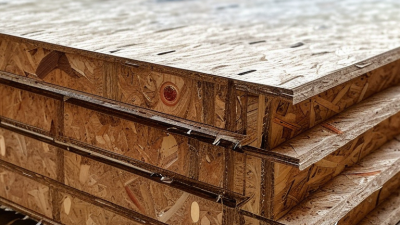
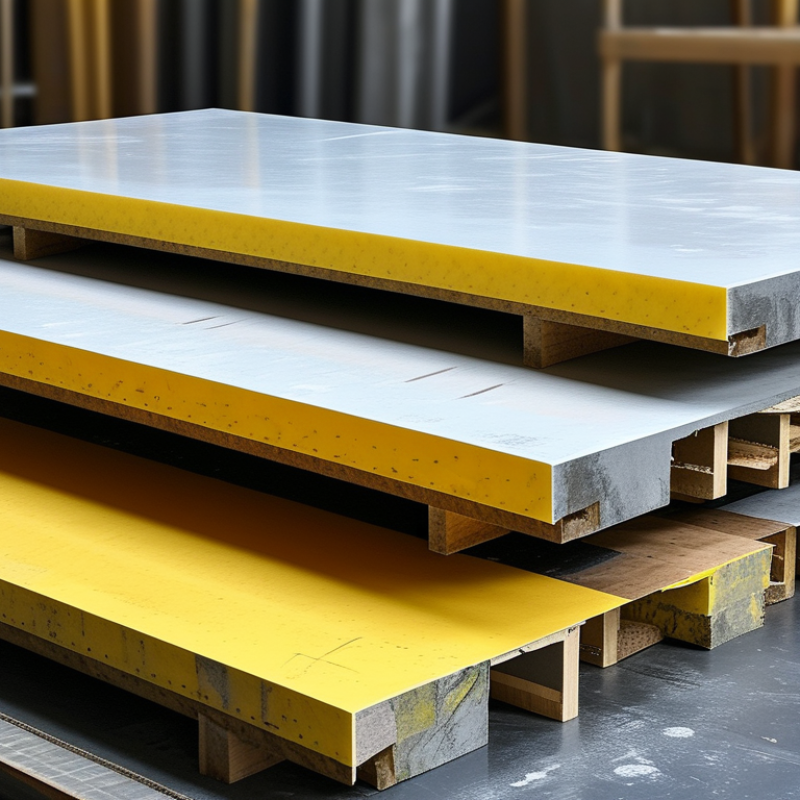
China film faced plywood is an engineered wood panel for concrete formwork. It contains thin wood veneers, bonded in cross-grained layers. A waterproof phenolic film covers both faces. The film creates a smoother casting surface and limits moisture absorption.

Core species vary. Poplar is light and economical, while eucalyptus usually provides higher density and stiffness. Birch cores can offer better strength and machining quality. EN 636 classifies plywood by exposure conditions, but it does not guarantee identical performance for every panel. Check the supplier’s thickness, bonding class, moisture resistance, and test results.

The FAO Yearbook of Forest Products reports China as the world’s largest plywood producer, with annual output above 200 million cubic metres in recent reporting years. That scale supports wide production capacity and competitive processing. However, volume alone proves little. A 2024 Forest Products Annual Market Review also shows that panel quality depends on raw-material supply, energy costs, and construction demand.

In field use, a 18-millimetre panel may feel rigid in the hands, yet poor edge sealing can cause swelling after repeated wet cycles. Reuse counts are never universal. Clean stripping, careful storage, and correct support spacing matter more than optimistic catalog claims. Some panels perform well for many pours; others fail early. That difference deserves honest inspection.
How Is China Film Faced Plywood Manufactured?

Why Choose China Film Faced Plywood?

How Is China Film Faced Plywood Manufactured?

China film faced plywood starts with peeled wood veneers, often from poplar, eucalyptus, or mixed hardwood logs. Veneers are clipped, dried, and graded by thickness, moisture, and visible defects. Factory moisture targets commonly stay near 6–12% before bonding. This matters because wet veneers can create bubbles, open joints, or weak panels.

Workers arrange veneers in alternating grain directions. Phenolic resin is applied between layers, then hot pressing bonds the core under controlled temperature and pressure. The panel is calibrated, sanded, and covered with a resin-impregnated film. Edges receive sealing treatment, although this step is sometimes rushed. That is a mistake in humid job sites.

FAO Forestry Production and Trade data reported global wood-based panel production above 400 million cubic metres in 2022. This scale increases the need for consistent process control. The FAO and UNECE Forest Products Annual Market Review also connect panel demand with construction activity and housing investment. However, production volume alone proves little. A reliable inspection should check thickness, bonding strength, surface wear, moisture, and panel flatness. EN 314-2 and EN 636 provide useful benchmarks for bonding quality and plywood performance. ASTM D906 is also commonly referenced for plywood glue-line testing. In practical checks, one weak core veneer can reduce reuse cycles. Film quality helps, but it cannot repair poor assembly. That point deserves more attention.

What Performance Features Does It Offer?

China film faced plywood is chosen for demanding formwork because its surface combines smooth release with practical resistance to moisture and abrasion. The phenolic film limits concrete adhesion, while the plywood core provides stiffness across repeated pours. On active sites, clean edges and sealed cutouts matter greatly. Small gaps can let water enter the veneers.

Performance depends on construction, not appearance alone. EN 314-2 identifies exterior bonding requirements, while EN 636-3 addresses plywood for outdoor exposure. These standards support better durability when adhesive quality, veneer grading, and pressing conditions are controlled. The USDA Forest Products Laboratory’s 2021 Wood Handbook reports equilibrium moisture content near 6% at 30% relative humidity and about 12% at 65%, at 20°C. That change can affect thickness and panel stability.

A well-made 18 mm panel can deliver reliable stiffness, but span, support spacing, and load pressure still govern safety. It is not permanently waterproof. Repeated wetting, rough handling, and unsealed saw cuts reduce service life. Site inspections often find this overlooked detail. China-made panels can offer consistent value when factories document core quality, bonding tests, film weight, and dimensional tolerances. Yet visual inspection is insufficient; batch testing and traceable quality records remain necessary. The honest weakness is variation between suppliers, even when panel surfaces look nearly identical.

Film faced plywood combines a structural wood panel with a resin-impregnated protective film. The profile below is an indicative 0–100 engineering index derived from commonly reported characteristics such as surface protection, moisture resistance, dimensional stability, and potential reuse in concrete formwork. Actual performance depends on core quality, film weight, thickness, edge sealing, handling, and site conditions.

Where Is China Film Faced Plywood Commonly Used?

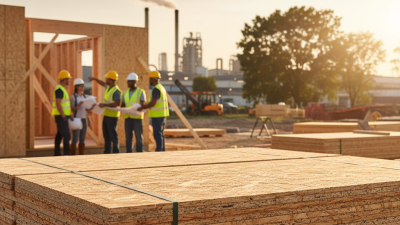
China film faced plywood is commonly used in concrete construction, especially for walls, columns, slabs, and bridge decks. Its smooth coated surface helps create cleaner concrete finishes and reduces moisture absorption during repeated pours. On active job sites, workers often cut panels for corners, openings, and irregular formwork. The panels must be supported properly, or even strong plywood can deflect.

It is also found in truck floors, trailer beds, warehouse platforms, and temporary site walkways. In these applications, the film layer provides practical protection against water, dirt, and abrasion. However, it is not permanently waterproof. Repeated exposure can damage unsealed edges, particularly after cutting or drilling. Edge sealing is often overlooked. That detail matters.

From site inspections, panel selection usually depends on thickness, core construction, surface film, load spacing, and expected reuse. Concrete contractors may prefer larger panels for fewer joints, while transport equipment makers often focus on impact resistance and secure fastening. Film faced plywood can perform well, but it is not a universal panel. Poor storage can cause warping before installation. Wet ground, direct sun, and careless stacking create problems that specifications cannot fully prevent. Checking flatness, edge condition, and fastener positions before use is a small step with practical value.

Why Choose China Film Faced Plywood? - Where Is China Film Faced Plywood Commonly Used?

Common Application Typical Construction Element Why Film Faced Plywood Is Selected Common Thickness Important Selection Criteria
Concrete wall formwork Residential, commercial and industrial walls The smooth resin-coated surface helps produce a cleaner concrete finish and reduces concrete adhesion when the panel is properly treated and released. 15–18 mm Panel flatness, edge sealing, film continuity, bonding quality and resistance to moisture.
Slab and deck formwork Floor slabs, roof slabs and horizontal concrete decks Its relatively smooth face supports consistent forming surfaces, while plywood sheets can be cut and arranged to suit different floor layouts. 12–18 mm Load support, deflection control, sheet thickness, joint alignment and adequate framing beneath the panels.
Column and beam formwork Square, rectangular and custom-shaped columns and beams The panels can be sawn and assembled into reusable formwork, helping contractors adapt the form to different structural dimensions. 15–21 mm Core strength, screw-holding ability, accurate cutting, sealed edges and resistance to repeated wetting and drying.
Bridge and infrastructure works Bridge decks, retaining structures, tunnels and drainage structures A waterproof film surface and engineered plywood core are useful where formwork is exposed to wet concrete, outdoor conditions and demanding site operations. 18–21 mm Structural stiffness, low panel variation, moisture resistance, edge protection and compliance with the project’s formwork design.
Precast concrete production Precast panels, beams, pipes and other factory-made concrete components The coated face can provide a uniform moulding surface and is suitable for repeated production when cleaned, released and stored correctly. 12–21 mm Surface smoothness, dimensional consistency, resistance to release agents and protection from impact during demoulding.
Temporary site structures Work platforms, temporary partitions, protective panels and site barriers The panels are relatively easy to handle, cut and fasten, making them practical for temporary construction-site applications. 12–18 mm Intended load, support spacing, worker safety requirements, surface condition and protection from prolonged standing water.
Reusable modular formwork Standardized wall, slab and column formwork systems Standard sheet sizes and consistent thicknesses can simplify panel layout, cutting and replacement across multiple projects. 15–18 mm Uniform dimensions, reliable core bonding, sealed edges, correct storage and inspection after every use.
Technical note: Common panel sizes include approximately 1,220 × 2,440 mm and 1,250 × 2,500 mm, although actual dimensions vary by supplier and project requirements. Reuse life is not a fixed specification; it depends on concrete pressure, panel quality, cutting, release-agent use, cleaning, edge sealing, handling and storage. The plywood should be checked before each reuse.

How Should Buyers Evaluate Its Quality?

Why Choose China Film Faced Plywood?

How Should Buyers Evaluate Its Quality?

China film faced plywood is widely used for concrete formwork because its coated surface can resist moisture, cement paste, and repeated handling. The market is large, but quality is uneven. FAO’s Global Forest Products Facts and Figures 2023 reported global wood-based panel production at about 399 million cubic meters in 2022. That scale creates more choices, not automatically better panels.

Start with the core, not the glossy film. Ask for veneer species, thickness tolerance, moisture content, and adhesive type. A good panel should show compact edges, balanced layers, and no open joints. Tap the surface lightly. Hollow sounds may suggest internal gaps. It is not a laboratory test.

Request bonding and water-resistance results. EN 314-2 classifies plywood bonding for dry, humid, and exterior conditions, while EN 636 defines suitable use environments. For concrete work, buyers should check whether test conditions match the intended number of pours. A panel rated for one short use may fail after repeated stripping. Small details matter.

Measure several sheets from different bundles. Compare actual thickness, film coverage, corner sealing, and warping under a straightedge. Ask for batch-specific reports, not only a general certificate. Even then, certificates can miss careless storage. Plywood exposed to rain may swell before installation. I have seen attractive faces hide weak cores. That is why a small trial pour remains valuable, although many buyers skip it.