2026 Best Osb Board Wood Buying Guide for Global Suppliers?
In the world of construction materials, "Osb Board Wood" stands out for its versatility and durability. Renowned expert John Smith, a leading figure in wood product technology, once stated, “Choosing the right OSB board can significantly affect your project's integrity.” This insight emphasizes the importance of selecting quality materials for various applications.
OSB board, or oriented strand board, is widely used for building structures, furniture, and more. It is essential to understand the nuances of this product when making purchasing decisions. While Osb Board Wood is often overlooked, its performance and adaptability can make a difference in outcomes. Many suppliers offer this material, but not all meet high standards.
Consider factors such as thickness, density, and environmental impact. Each characteristic influences the product's performance. With the proper guidance, buyers can navigate choices effectively. However, reflecting on specifications can be challenging for newcomers. Engaging with suppliers who emphasize transparency can help enhance your understanding of Osb Board Wood. This guide aims to illuminate paths for selecting the best Osb boards suitable for global needs.
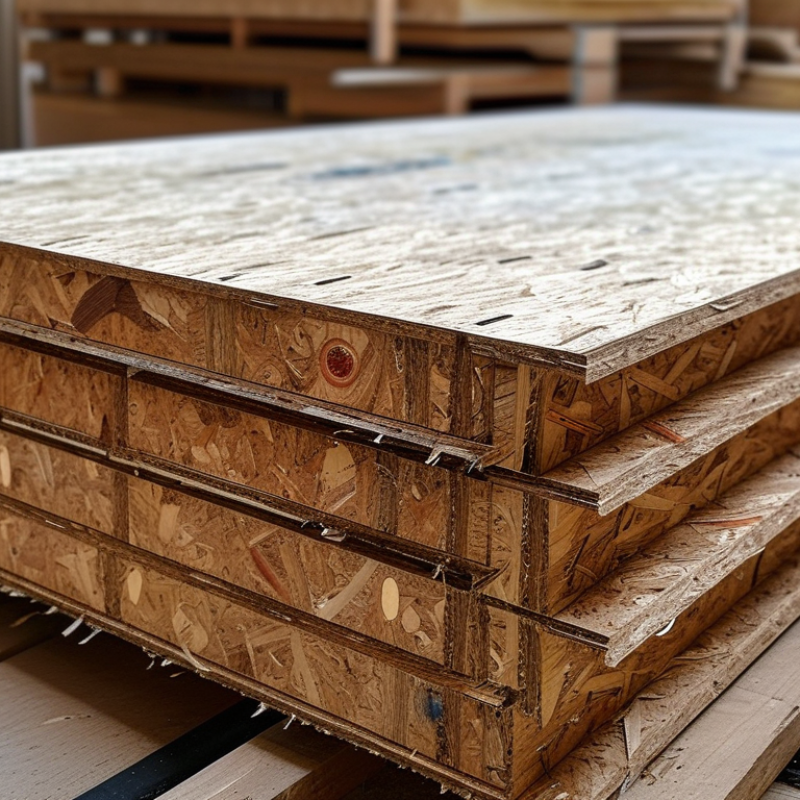
Understanding OSB Board: Definition and Uses in Construction
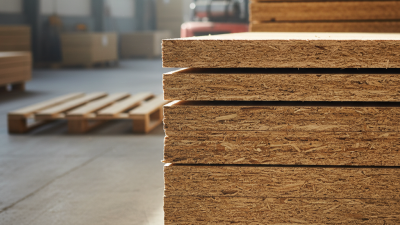
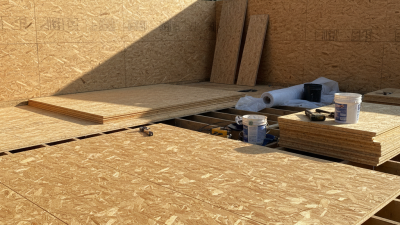
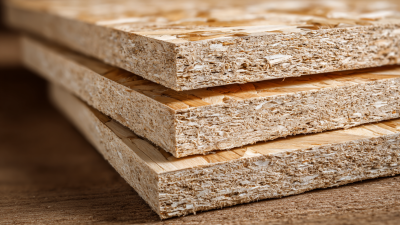
Oriented Strand Board (OSB) is a popular engineered wood product used in construction. Defined as a panel made from strands of wood, it's known for its strength and versatility. Many suppliers favor OSB for applications such as wall sheathing, flooring, and roofing. A report by the Forest Products Laboratory indicates that OSB can outperform plywood in specific structural applications.
One key reason for OSB’s popularity is cost-effectiveness. It is often less expensive than plywood, making it an attractive choice for builders. However, potential buyers should consider environmental factors. OSB's manufacturing process involves a large amount of resin, which can impact indoor air quality. Choosing low-emission products can mitigate these concerns.
Tips: Always check for certifications like the Environmental Product Declaration (EPD). Such certifications indicate sustainable practices. When using OSB, ensure proper sealing and protection from moisture. This will enhance the board's lifespan and performance in various settings. Remember, unsealed edges can lead to swelling, impacting structural integrity. Focus on reliable suppliers who prioritize quality and sustainability in their manufacturing processes.
Types of OSB Boards: A Comparison of Variants Available in the Market
When considering OSB boards, it’s essential to understand the various types available. OSB, or Oriented Strand Board, is made from wood strands. Its construction impacts strength and durability. There are several variants on the market, each designed for specific uses.
One common type is standard OSB. It’s versatile and widely used in construction for sheathing and flooring. Another variant is moisture-resistant OSB. This type has additives that protect it from damp conditions. It is often used in areas prone to high humidity. Structural OSB is another option. It’s engineered for strength and stability, making it ideal for load-bearing applications.
While these types serve similar purposes, their performance can vary. Some may sag under weight, while others retain their integrity. Choosing the right type depends on your project's specific needs. Consider factors such as exposure to moisture and load requirements. This decision can impact the long-term durability of your structure. It’s important to weigh the pros and cons of each variant before making a purchase.
Key Factors to Consider When Buying OSB Board for Your Projects
When choosing OSB boards, a few crucial factors need attention.
The board’s thickness often determines its strength and durability.
Standard thickness ranges from 7/16 inch to 1 inch. According to the APA – The Engineered Wood Association,
proper thickness can significantly impact structural performance. Many projects may fail due to the selection of improperly sized boards.
Moisture resistance is another key consideration.
OSB boards are treated for varying levels of moisture exposure.
For instance, exterior-grade boards resist moisture better than interior grades.
Data from the North American wood panel industry indicates that about 15% of OSB board failures arise from moisture damage.
Proper treatment can mitigate these risks and enhance longevity.
The board's grade influences its overall performance as well.
Higher grades indicate fewer defects and better uniformity. Typically, OSB grades range from A to C,
with A being the finest quality.
Industry reports indicate that lower-grade boards may save costs initially but can lead to higher expenses through maintenance or premature replacement.
Assessing these factors carefully ensures a successful project outcome.
Global Suppliers of OSB Board: Top Countries and Leading Brands
OSB boards, known for their durability and cost-effectiveness, are widely used across various sectors. The global market for OSB is seeing significant growth. According to the Global Market Insights report from 2022, the demand for OSB is expected to reach approximately $15 billion by 2026. This reflects a compounded annual growth rate of around 5% from 2021 to 2026. Such figures highlight the expanding acceptance of OSB boards among builders and manufacturers.
Leading global suppliers often come from the United States, Europe, and Canada. These regions are known for their high-quality production standards. In North America, about 60% of OSB production takes place. The European market is also noteworthy, focusing on sustainable practices and innovative manufacturing techniques. However, some suppliers struggle with supply chain disruptions, which can impact availability. As a buyer, it is vital to assess suppliers thoroughly. Quality assurance and sourcing practices should be a priority to ensure reliable product delivery.
In the competitive landscape, several brands have established their reputations over decades. However, not all manufacturers meet stringent environmental regulations. This inconsistency can lead to compromised product quality. Buyers should consider certifications and reviews as part of their purchasing decision. Being informed and cautious can significantly enhance one’s buying experience in the OSB market.
Sustainable Practices in OSB Board Manufacturing: An Overview
Sustainable practices in OSB board manufacturing are gaining momentum.
Factories are increasingly adopting eco-friendly methods. According to the latest industry reports,
sustainable OSB production can reduce carbon emissions by 30%. This substantial decrease is vital in the quest against climate change.
Wood sourcing is another critical aspect. Many suppliers are now utilizing timber from managed forests.
This approach ensures that resources are not depleted. In fact, studies show that responsibly sourced wood
contributes to biodiversity preservation. It also supports community economies.
However, monitoring and certification can often fall short, leaving room for improvement.
Tips for buyers: Focus on transparency in sourcing.
Ask suppliers about their timber origins. Verify their certifications through third-party audits.
When considering OSB products, inquire about the manufacturing process.
Sustainable doesn’t always mean better if quality is compromised.
Strive for a balance between eco-friendliness and performance; it’s essential.