Inquiry
Form loading...

Top 5 Tips for Sourcing Quality China Plywood Products?

Sourcing quality China Plywood can be a challenging venture. The demand for this versatile material is on the rise globally. However, not all suppliers deliver the same level of quality. Many buyers encounter issues with product consistency and reliability. To avoid such pitfalls, it is crucial to have a clear strategy in place.

One of the key factors in ensuring you receive high-quality China Plywood is thorough research. Understand the different grades available in the market. Look for suppliers known for their strict quality control standards. The right partner will not only meet your quality expectations but will also support you throughout the sourcing process.

In this guide, we will explore effective tips for sourcing China Plywood products. These insights stem from extensive industry experience and expert knowledge. Navigating this complex market can be daunting. Yet with the right approach, you can secure top-quality plywood that meets your business needs.

Top 5 Tips for Sourcing Quality China Plywood Products?

Understanding the Types of Plywood Available in China

Top 5 Tips for Sourcing Quality China Plywood Products?

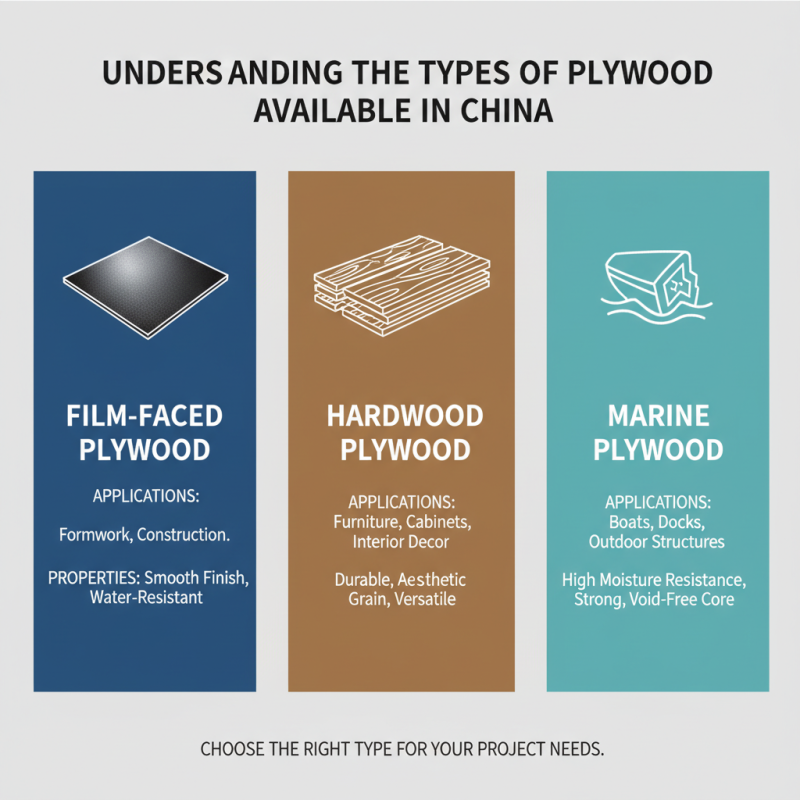
When sourcing plywood in China, understanding the types and qualities available is crucial. China offers various plywood products, including film-faced, hardwood, and marine plywood. Each type serves different purposes, so knowing your project needs is essential.

Film-faced plywood is durable and often used in construction. This type withstands moisture and wear, making it ideal for concrete forming. Hardwood plywood, on the other hand, is known for its aesthetic appeal. It's commonly chosen for furniture and other visible applications. Marine plywood is specially treated to endure water exposure, suitable for boat construction or humid environments.

While sourcing, keep these tips in mind. Always ask for samples to evaluate the quality directly. Check for certifications and standards that align with your project. Visiting factories can also help establish trust and ensure the production process meets your specifications. Engage directly with suppliers. This can spark conversations about materials and production practices, leading to better decisions. Plywood sourced without careful consideration can lead to costly project delays and inferior results.


Evaluating Suppliers: Key Questions to Consider

Evaluating suppliers of plywood from China requires careful consideration. Start by assessing their experience. A supplier with years in the business usually understands the nuances of quality and delivery. Check their track record with previous clients. Don't hesitate to ask for references. This can reveal their reliability and customer satisfaction levels.

Next, inquire about their sourcing process. Understanding how materials are sourced provides insight into product quality. A good supplier should be transparent about their suppliers and practices. Look for certifications that showcase compliance with international standards. This adds credibility and assures quality.

Additionally, consider asking about their production capacity. A supplier that can scale operations easily may better meet fluctuating demands. Discuss their lead times as well. A lengthy wait can disrupt your plans. Don't overlook after-sales support and warranty policies. Suppliers should provide clear guidance on these aspects. Failure to communicate can indicate potential issues down the line.

Top 5 Tips for Sourcing Quality China Plywood Products

Assessing Quality Standards for Plywood Products

When sourcing plywood products from China, quality assessment is crucial. Begin by examining material specifications. Plywood should meet specific standards for thickness, moisture content, and grading. Look for certifications that indicate compliance. These documents often reflect a manufacturer's commitment to quality control.

Establishing relationships with reputable suppliers can enhance your sourcing experience. Engage in open communication regarding your quality expectations. Regular audits of suppliers can reveal inconsistencies and areas for improvement. Share feedback on products to encourage better practices.

Taking the time to assess quality standards can lead to better products. However, not every factory adheres to the same level of excellence. Some may provide subpar materials that do not meet your needs. Remain vigilant and ready to reevaluate your suppliers to ensure ongoing quality.

Top 5 Tips for Sourcing Quality China Plywood Products

Quality Standard Description Testing Method Certifications
Thickness Tolerance Ensures plywood thickness meets specifications to avoid warping. Caliper measurement. ISO 9001
Surface Smoothness Checks for defects and ensures a uniform application for painting and veneer. Visual Inspection and Sanding Test. CE Certification
Glue Adhesion Tests the bond strength between veneers to prevent delamination. Boil Test. E1 Standard
Moisture Content Determines the moisture level to avoid expansion and shrinkage issues. Moisture Meter. FSC Certification
Dimensional Stability Ensures product maintains its shape under various environmental conditions. Shrinkage Test. CARB Certification

Negotiating Prices and Terms with Chinese Manufacturers

Top 5 Tips for Sourcing Quality China Plywood Products?

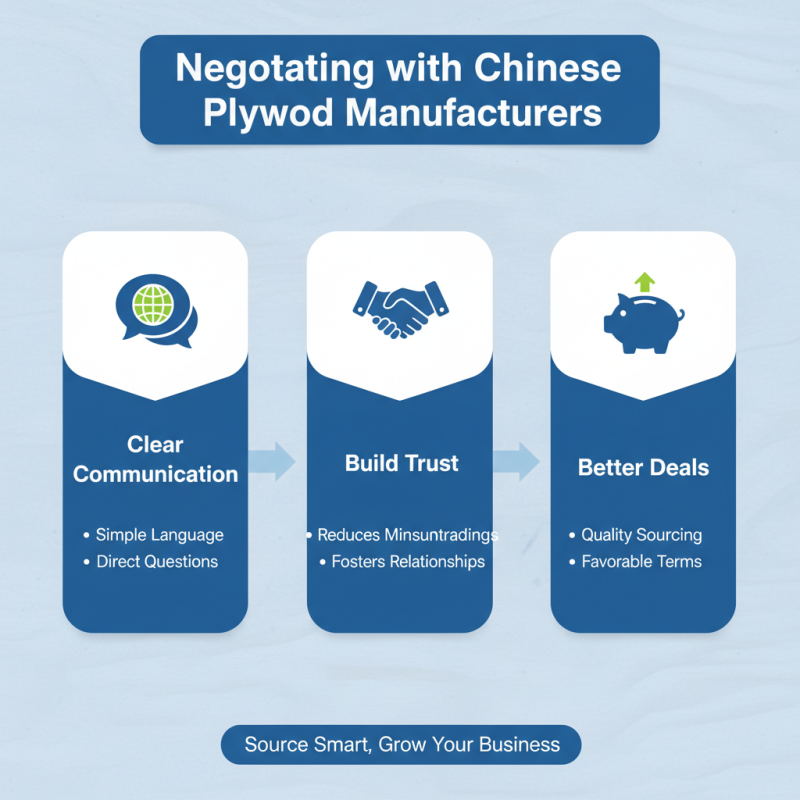
Negotiating prices and terms with Chinese manufacturers is crucial for sourcing quality plywood. Start with clear communication. Language barriers often lead to misunderstandings. Speak simply and ask direct questions. This clarity helps build trust and opens the door to better deals.

Establish your budget upfront. Chinese manufacturers appreciate transparency. Share your goals and constraints. It might make them more flexible with pricing. However, be prepared for haggling. Bargaining is a part of the culture. Don’t rush the process. Take your time to assess offers and counteroffers.

It’s common to feel pressured during negotiations. Remember, patience can lead to better terms. Consider the total value rather than just the price. Quality assurance, delivery timelines, and payment terms are essential components. Reassess your priorities if needed. Sometimes, a slightly higher price can ensure better quality and service.

Shipping and Logistics Considerations for Plywood Imports

When importing plywood from China, shipping and logistics are crucial. The cost of shipping can vary significantly. According to industry reports, 40-60% of the total cost may come from transportation. This percentage largely depends on the shipping method and the distance to the destination.

It's essential to choose a reliable freight forwarder. They can efficiently manage the complexities of international transport. Many businesses overlook the documentation needed for customs clearance, which can delay shipments. Ensuring proper and complete paperwork can save time and money. Inadequate documentation is a common pitfall for many importers.

Lead times can also pose challenges. Depending on the shipping route, it may take 3 to 8 weeks for plywood to arrive. Delays can occur due to port congestion or customs inspections. Therefore, planning ahead is vital. Having a buffer can mitigate risks associated with unexpected hold-ups. Understanding these aspects fosters a smoother import process, enhancing the overall supply chain efficiency.