Top 5 China Plywood Suppliers for Global Buyers?
The global plywood market is evolving rapidly, with China emerging as a key player. According to recent market reports, China plywood accounts for over 40% of the global plywood production. This impressive figure highlights the country's expertise and capacity in plywood manufacturing. Buyers around the world are increasingly seeking reliable suppliers from China due to their competitive pricing and high-quality products.
However, while market growth is promising, challenges remain. Not all suppliers meet international standards. Ensuring quality and sustainability is paramount. Buyers must navigate through a multitude of options, making informed choices critical. Reports indicate that improper sourcing can lead to subpar materials, affecting overall project quality.
In this article, we will explore the top five China plywood suppliers recognized for their reliability and expertise. These companies not only excel in production but also prioritize sustainable practices. Their commitment to quality sets them apart in a competitive market.

Overview of China's Plywood Industry and Its Global Impact
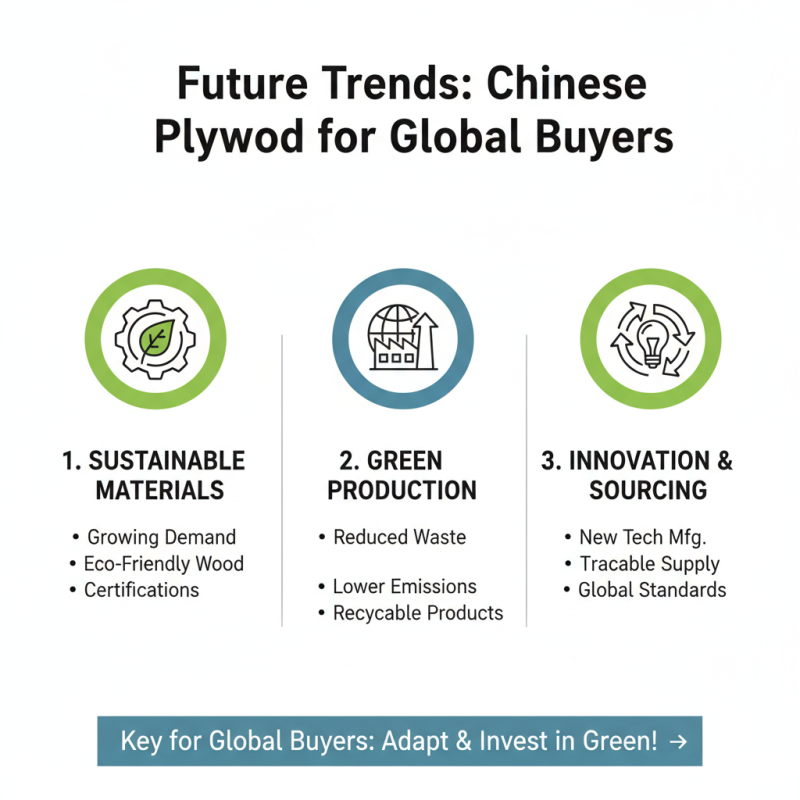
China's plywood industry plays a significant role in the global market. With vast forests and advanced manufacturing technology, China produces a diverse range of plywood products. These goods cater to the needs of various sectors, including construction, furniture, and packaging. As the demand for sustainable materials grows, China has also started adopting eco-friendly practices. However, challenges such as over-reliance on certain wood species and environmental concerns remain prevalent.
The industry's global impact is substantial. Chinese plywood exports reach many countries, supporting local economies worldwide. Buyers can benefit from competitive pricing and a wide selection. Yet, inconsistencies in quality can create hurdles for international trade. Some imports fail to meet rigorous safety standards. It's essential for global buyers to conduct thorough research and vet suppliers carefully. Maintaining a balance between quality and cost is crucial. Engaging with suppliers who prioritize sustainability could yield long-term benefits.
Top 5 China Plywood Suppliers for Global Buyers
| Supplier Rank |
Annual Production Volume (Cubic Meters) |
Export Percentage (%) |
Main Export Markets |
Key Plywood Types |
| 1 |
500,000 |
70 |
North America, Europe |
Marine Plywood, Film Faced Plywood |
| 2 |
450,000 |
60 |
Asia, Middle East |
Commercial Plywood, Decorative Plywood |
| 3 |
400,000 |
75 |
Europe, Australia |
Structural Plywood, WBP Plywood |
| 4 |
350,000 |
65 |
North America, South America |
Birch Plywood, Poplar Plywood |
| 5 |
300,000 |
80 |
Asia, Africa |
Decorative Plywood, Fancy Plywood |
Key Factors Influencing the Selection of Plywood Suppliers
When selecting plywood suppliers, several key factors come into play. First, quality assurance is paramount. Buyers often seek suppliers with stringent quality control measures in place. Reliable suppliers conduct regular inspections and provide certifications that validate the quality of their products. This attention to detail can help prevent future issues for buyers.
Pricing is another critical aspect. Competitive pricing attracts global buyers. However, it is essential to balance cost and quality. An incredibly low price may reflect lower-quality materials. Transparent pricing structures are preferred, as they build trust. Buyers should inquire about the reasons behind price variations to make informed choices.
Logistics and delivery times also influence supplier selection. Efficient supply chains minimize delays. Suppliers with a strong logistics network usually deliver products faster and more reliably. Communication is vital in this process. Suppliers who are responsive and provide regular updates can offer peace of mind. Therefore, each of these factors should be carefully evaluated to foster a trustworthy supplier relationship.
Top 5 Renowned Plywood Suppliers in China
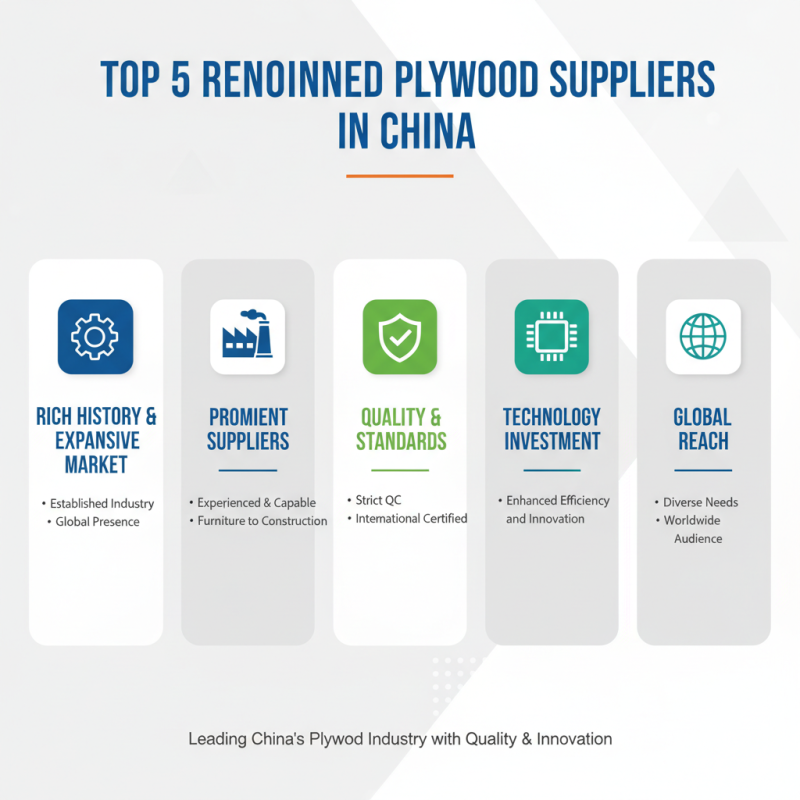
China's plywood industry boasts a rich history and an expansive market presence. A few prominent suppliers stand out due to their experience and production capabilities. These suppliers cater to a global audience, fulfilling diverse needs from furniture to construction materials. Their strength lies in quality control and adherence to international standards. Most of them invest significantly in technology to enhance production efficiency.
However, challenges in the industry persist. For example, sourcing quality raw materials can be inconsistent. Some suppliers may face disruptions due to environmental regulations. Market fluctuations can also impact pricing strategies, making it essential for buyers to stay informed. Despite these hurdles, many reputable suppliers are known for their commitment to excellence.
When dealing with plywood suppliers, it's crucial to establish clear communication. Misunderstandings regarding specifications can lead to unsatisfactory outcomes. Buyers should conduct thorough research to assess reliability. Verification of credentials and past performance can help mitigate risks. Engaging with suppliers who prioritize transparency can boost overall trust and collaboration.
Comparative Analysis of Supplier Pricing and Quality
When evaluating plywood suppliers in China, it's essential to consider both pricing and quality. Many suppliers claim to offer the best products at the lowest prices. However, this is not always the case. A lower price often indicates compromises in material quality or manufacturing processes. For global buyers, understanding these nuances can prevent costly mistakes.
Comparing different suppliers reveals a spectrum of quality. Some focus heavily on aesthetics, using beautiful veneers, while others emphasize structural integrity. Buyers must assess their specific needs. For instance, if durability is critical for construction projects, opting for a supplier with proven reliability may outweigh the allure of lower prices.
Supplier reviews can offer insights into performance and consistency. Be cautious, as not all reviews reflect reality. Some may be overly positive or negative without context. Engaging with past customers can provide a clearer picture of each supplier's offerings. It's vital to balance price and quality to ensure a satisfactory purchase, keeping in mind that the cheapest option may not always be the best choice.
Comparison of Plywood Suppliers' Pricing and Quality