Essential Tips for Choosing OSB Roof Sheathing?
When selecting OSB roof sheathing, several factors come into play. This material is crucial for a structurally sound roof. OSB, or oriented strand board, provides excellent strength and durability. It has gained popularity due to its cost-effectiveness. However, making the right choice requires careful consideration.
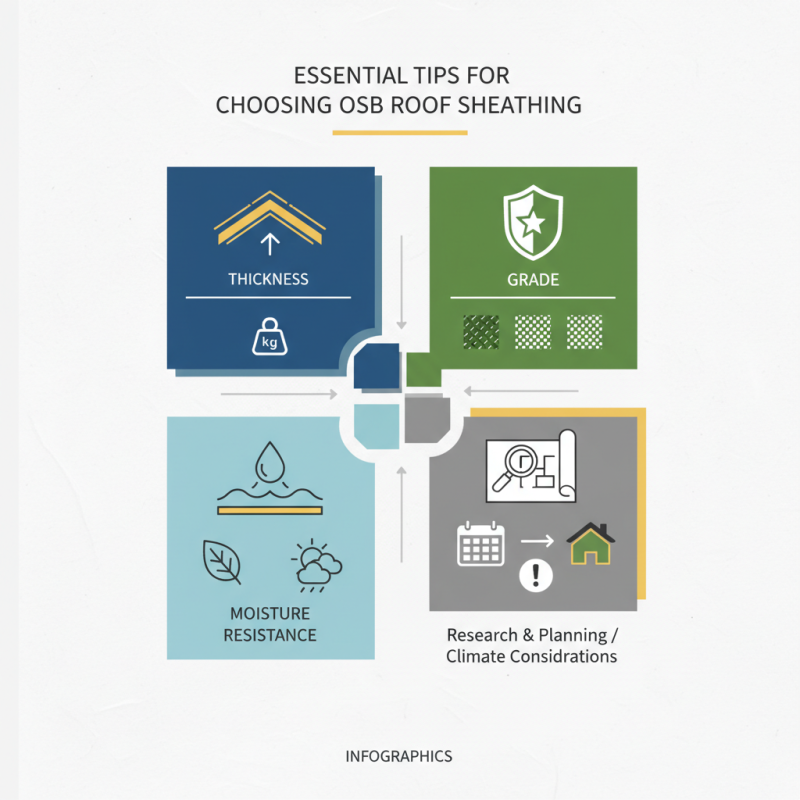
Many overlook the importance of thickness. A thicker OSB roof sheathing can better withstand heavy loads and extreme weather. The grade of OSB also plays a significant role in performance. Not all OSB boards are created equal, and understanding their specifications is vital. Additionally, moisture resistance is an area that deserves attention. Choosing OSB with proper treatment can prevent mold and structural issues.
Some may rush their decision, thinking any OSB will work. This can lead to risky outcomes and costly repairs down the line. Always consider the specific needs of your roof. Reflect on local climate conditions as well. Proper research and thoughtful planning can ensure a successful roofing project with reliable OSB roof sheathing.
Understanding OSB Roof Sheathing: Overview and Benefits
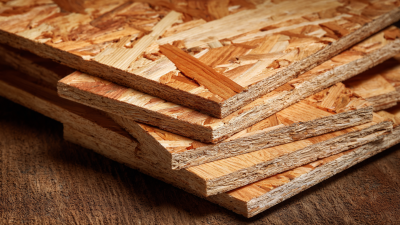
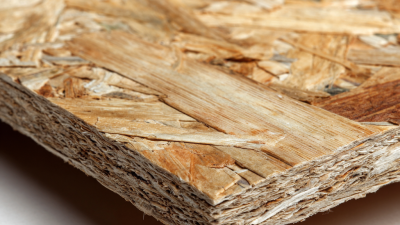
OSB roof sheathing is a crucial component in construction. It provides a sturdy and reliable surface for roofing materials. Made from wood strands, OSB is engineered for strength and durability. Its design allows for excellent moisture resistance, which is vital in preventing rot.
Choosing OSB offers several benefits. It’s cost-effective compared to plywood, allowing builders to save on expenses. The panels are lightweight, making them easier to handle during installation. However, not all OSB is the same. Some types may not perform well under heavy loads or in extreme weather. It’s essential to select the right kind for your project.
Installation can sometimes lead to challenges. Proper sealing and ventilation are necessary to avoid moisture buildup. Over time, OSB may expand or contract, which can compromise the roof's integrity. These are factors to consider before making a final decision. Balancing cost and performance is critical when selecting OSB sheathing for your roof.
Key Factors to Consider When Selecting OSB for Roofing
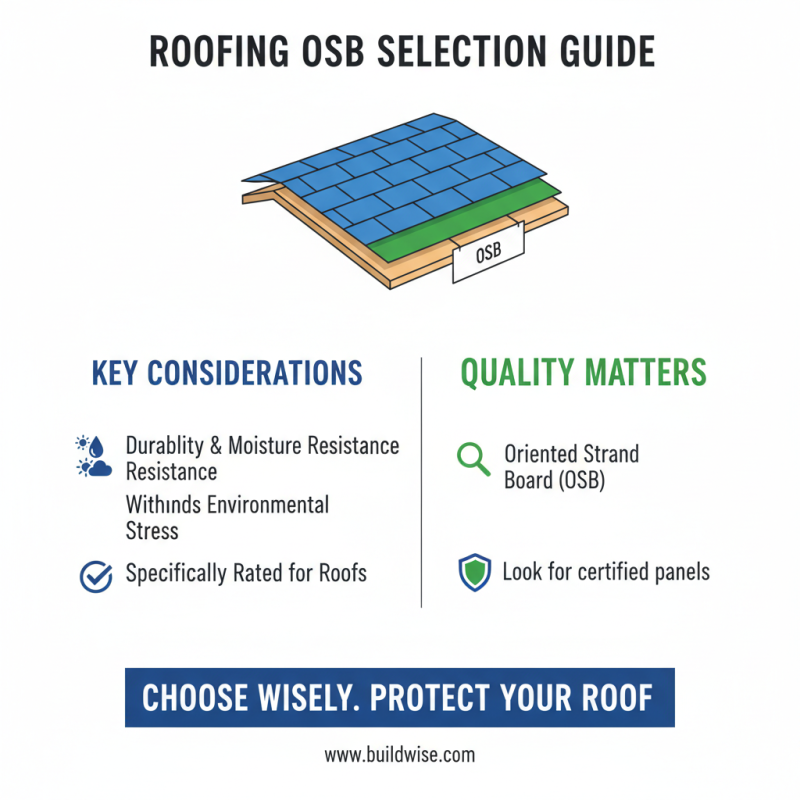
When selecting OSB for roofing, it’s essential to consider durability. OSB, or oriented strand board, varies in quality. Look for sheets that are specifically rated for roof applications. These panels should withstand moisture and environmental stress.
Thickness is another key factor. Standard OSB thickness for roofs is typically around 7/16 inch to 5/8 inch. But depending on your local climate, you might need thicker panels for added strength. Lightweight options are tempting, but they may not provide the necessary support.
Another important detail is the panel’s edge treatment. Edges should be sealed to reduce water absorption. This reduces the risk of mold and rot. Ensure you inspect the panels before installation. Flaws or inconsistencies can affect the roof's integrity. Pay attention to these factors to make a reliable choice.
Evaluating Thickness and Strength Requirements for OSB Sheathing
Choosing the right OSB roof sheathing involves understanding thickness and strength. Thickness plays a critical role in durability. Typically, OSB sheathing varies from 7/16 inch to 5/8 inch. A report from the APA - The Engineered Wood Association highlights that thicker OSB can enhance load-bearing capacity. For roofs that face heavy snowfall, a thickness of 5/8 inch is often recommended. This increase in strength can prevent sagging or warping over time.
Strength, measured by shear and tensile properties, matters significantly. A study shows that 7/16 inch OSB has a shear strength of approximately 1,200 pounds per square foot. In comparison, 5/8 inch OSB can reach up to 1,400 pounds per square foot. This difference can be pivotal during storms. It’s crucial to consider local weather conditions when making your choice. Moreover, some builders overlook the importance of moisture resistance in OSB. Without adequate treatment, OSB can delaminate, compromising its structural integrity.
Consider also the installation environment. Are you working in humid conditions? Adequate thickness alone cannot guarantee performance. Evaluating both thickness and strength helps ensure longevity. Many professionals agree that conducting a thorough assessment before purchase leads to better construction outcomes. Insights from engineering data ultimately drive these decisions.
Essential Tips for Choosing OSB Roof Sheathing
| Thickness (inches) |
Weight (lbs per sheet) |
Span Rating |
Structural Performance |
Typical Applications |
| 0.5 |
50 |
16 |
Good for normal roofs |
Residential roofing |
| 0.75 |
75 |
24 |
Excellent for heavy loads |
Commercial roofing |
| 1.0 |
100 |
32 |
Superior strength & durability |
Industrial roofing |
Compatibility with Roofing Materials: What You Need to Know
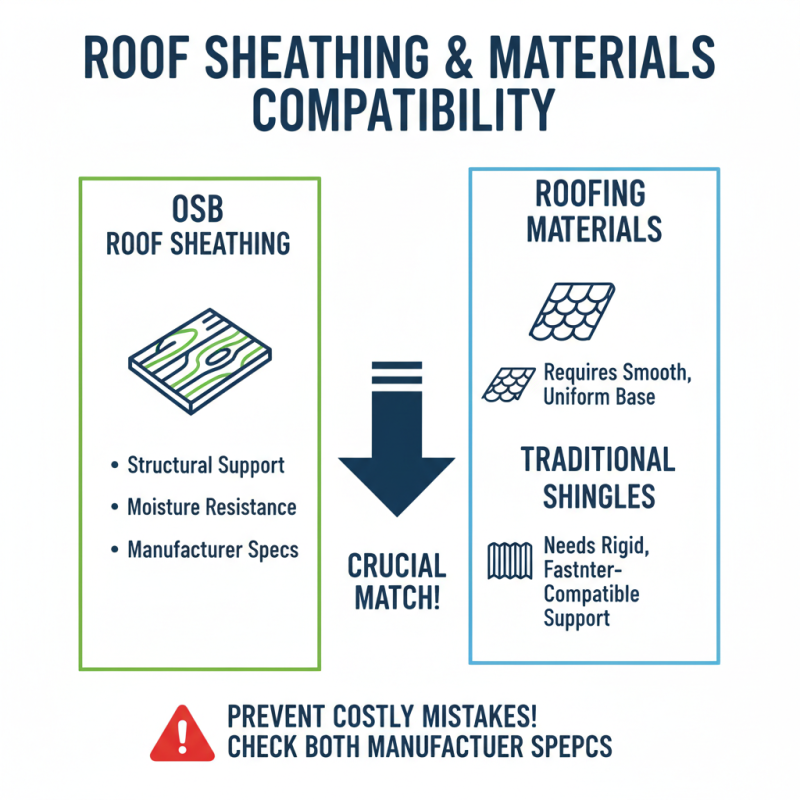
When selecting OSB roof sheathing, compatibility with your roofing materials is crucial. Not all sheathing works well with every type of roof. For instance, traditional shingles may require different support than metal panels. Understanding this can prevent costly mistakes down the line. It's essential to check the manufacturer's specifications for both the OSB and the chosen roofing material.
Moisture resistance is another important factor. Some roofing systems perform poorly if they’re paired with sheathing that absorbs too much water. For example, OSB that isn’t well-coated can retain moisture, leading to warping or decay. You may think a product looks adequate, but improper compatibility can create issues later. It's beneficial to ask builders or contractors for advice based on real-world experiences, as sometimes even small details can have significant impacts.
Finally, never overlook local building codes. They often dictate what materials can be used together. A quick review may reveal restrictions that can guide your choices. Taking the time to research can safeguard your investment. Ignoring these factors might lead to future headaches that could have been easily avoided with a little extra effort upfront.
Proper Installation Practices for OSB Roof Sheathing Systems
Proper installation of OSB roof sheathing is crucial for the overall integrity of roofing systems. One common mistake is not allowing for proper ventilation. Overlooking ventilation can lead to moisture buildup, which damages the sheathing over time. Ensure that your attic space has adequate airflow to prevent these costly issues.
When installing OSB panels, alignment is key. Panels should be staggered to enhance stability. Misalignment can create weak points, reducing the structure's ability to withstand harsh weather. Additionally, ensure you are using the appropriate fasteners. Incorrect fasteners may not provide the required strength, leading to potential failures.
Another point to consider is sealing. A well-sealed roof is essential to keep water out. Apply construction adhesive between seams to minimize leaks. Also, inspect the sheathing for defects before installation. Small imperfections can lead to bigger problems down the road. Always take the time to review your work, as rushing can result in oversights that compromise the roof’s performance.