Ultimate Tips for Choosing Formwork Plywood?
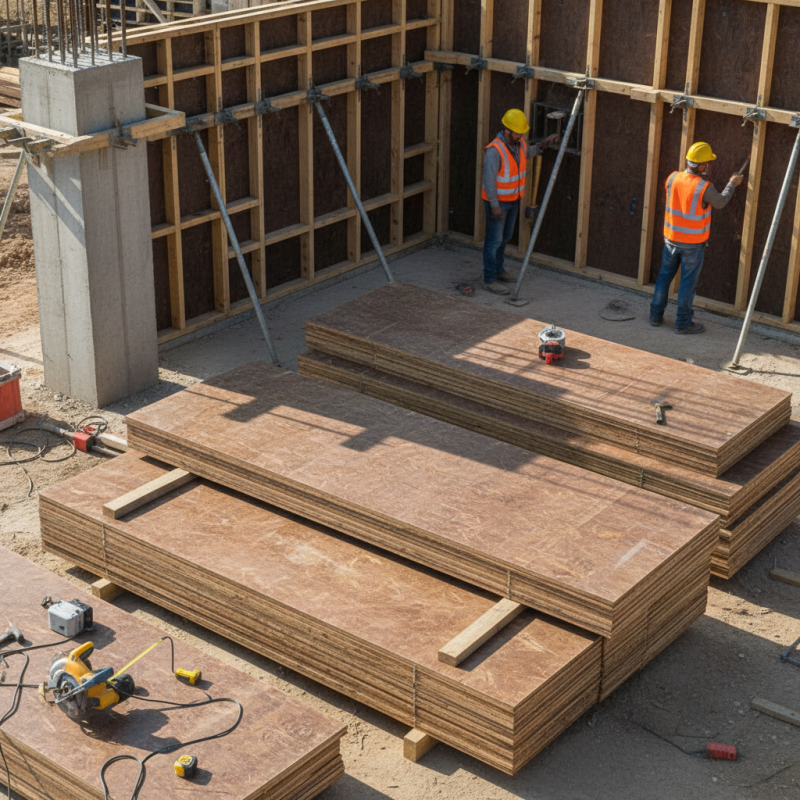
Choosing the right formwork plywood is crucial for construction projects. This material plays a key role in shaping and supporting concrete structures. Understanding its properties and applications is important for contractors and builders.
Formwork plywood must meet specific criteria. Strength, durability, and moisture resistance are essential. The thickness and grade of the plywood can affect the final outcome of a project. Not all products labeled as formwork plywood are created equal. It’s important to compare and evaluate different options.
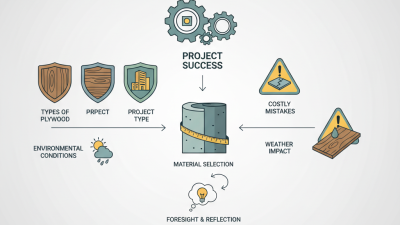
When selecting formwork plywood, consider the environmental conditions. Plywood exposed to water may require better quality. However, sometimes the most expensive option isn’t the best. Reflecting on past choices may reveal insights. Each project can teach valuable lessons about material selection and performance.
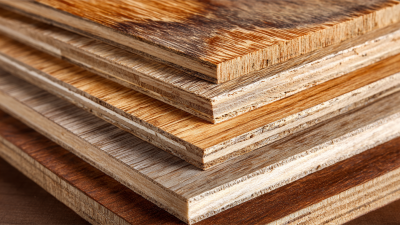
Understanding Different Types of Formwork Plywood Available in the Market
When selecting formwork plywood, understanding the variations in types is crucial. The most common types include
Birch, Pine, and Marine plywood.
Birch plywood is popular for its smooth surface and durability. It is often used in high-end projects.
Pine plywood is more affordable but may not withstand heavy use as effectively.
Marine plywood offers exceptional moisture resistance, making it suitable for wet or marine environments.
According to recent industry reports, the global plywood market is expected to grow by over 6% annually.
This reflects an increasing demand for construction materials. However, many contractors overlook the specific properties of plywood.
Not all projects require high-end materials, yet some choose luxury options unnecessarily. This can lead to inflated budgets without added value.
Durability is a common concern. Some plywood may warp or crack over time.
Ensuring the right type is selected can prevent future issues. Choose wisely.
Consider availability and pricing. Each type has its pros and cons. Weigh these factors to find the best solution for your project.
Factors to Consider When Selecting Formwork Plywood for Your Project
Selecting formwork plywood is crucial for construction projects. Factors like durability, moisture resistance, and thickness can significantly impact your work. Reports indicate that around 30% of construction delays result from improper material choices. Plywood is essential in creating sturdy mold structures, but not all options are equal.
Moisture exposure is a common problem. Some plywood types swell or warp when wet. Experts suggest using moisture-resistant varieties in humid climates. A study showed that using high-quality plywood can reduce overall project costs by 15%. Consider the thickness too. Thicker plywood can support heavier loads but may cost more upfront.
Think about the ease of handling as well. Lightweight options can save time and labor costs. However, they might not offer the same strength. Finally, reflective feedback from contractors indicates that visual inspection during selection is vital. Minor defects can lead to major issues later, impacting safety and structural integrity.
Evaluating the Quality and Durability of Formwork Plywood
When evaluating the quality and durability of formwork plywood, it’s crucial to consider several key factors. A recent industry report indicates that plywood quality directly impacts construction efficiency. High-quality plywood can reduce leaks and improve concrete finishes. Opt for plywood that meets or exceeds BS 6566 or ASTM standards for optimal performance.
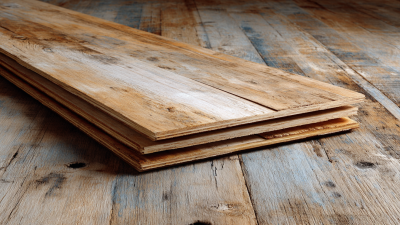
Tip: Always check the moisture content. Ideally, it should be below 12%. High moisture levels can compromise strength. Inspect the veneer layers as well. Thicker layers often provide added durability. However, more layers can also mean potential weaknesses if not properly bonded.
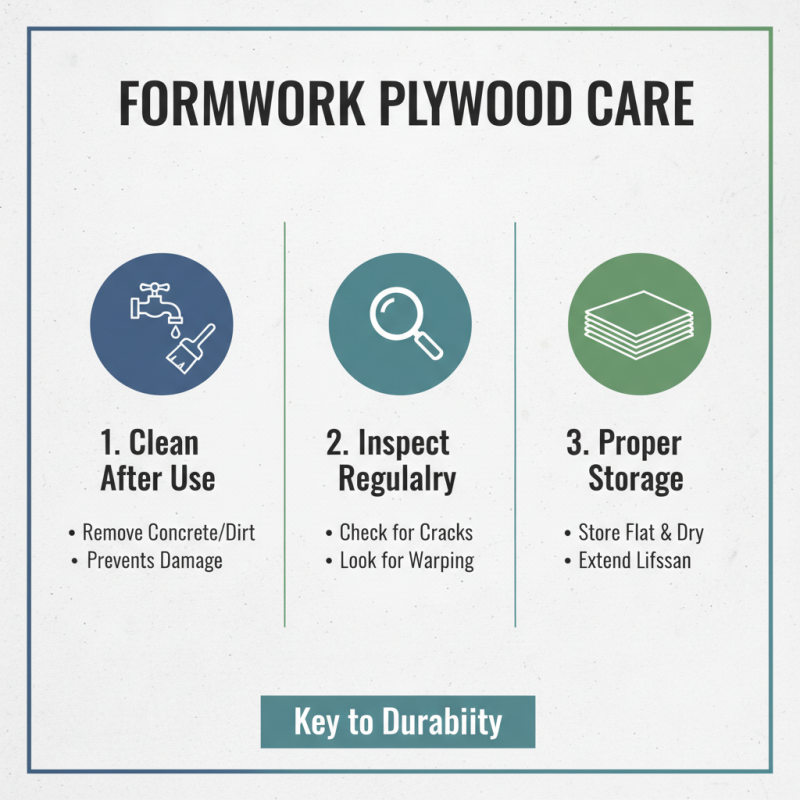
The durability of formwork plywood can vary significantly. According to studies, plywood with proper sealing can last up to six months, while untreated options may fail within weeks. Inspect for signs of warping or delamination. These issues can shorten usability and lead to costly delays.
Tip: Look for a warranty or guarantee. This can reflect a manufacturer's confidence in their product's longevity. Trusting such assurances can sometimes lead builders into complacency, worth reflecting upon when making decisions.
Ultimate Tips for Choosing Formwork Plywood
| Criteria |
Description |
Rating (1-5) |
| Material Quality |
Evaluate the type of wood (e.g., birch, pine) used in the plywood. |
4 |
| Durability |
Resistance to moisture and repeated use. |
5 |
| Weight |
Consider the weight for transporting and handling. |
3 |
| Thickness |
Choose thickness based on the load it has to bear. |
4 |
| Finish |
Expect smoothness for the best concrete finish. |
4 |
| Cost Effectiveness |
Weigh the price against expected lifespan and reusability. |
3 |
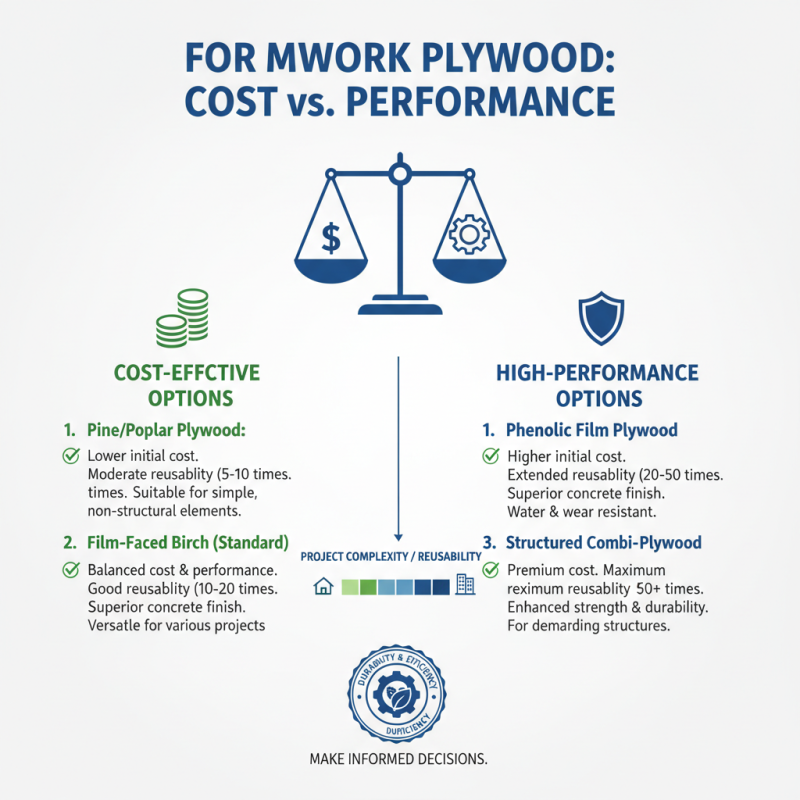
Cost-Effectiveness: Balancing Price and Performance of Formwork Plywood
Choosing the right formwork plywood is crucial. The balance between cost and performance affects your project budget. Make informed decisions to ensure durability and efficiency.
Cost-effectiveness is key. High prices do not always guarantee quality. Sometimes, cheaper options underperform. Check the thickness and grade of plywood. A cheaper sheet might lead to more repairs. Analyze the intended use carefully. Will it bear heavy loads or be used for a simple project?
**Tips:** Look for multipurpose plywood. It can perform well in various scenarios, saving money. Always compare multiple suppliers to find the best deal. However, do not compromise too much on quality. Sometimes, cheaper choices result in additional costs later. Remember, investing in quality can reduce headaches down the line.