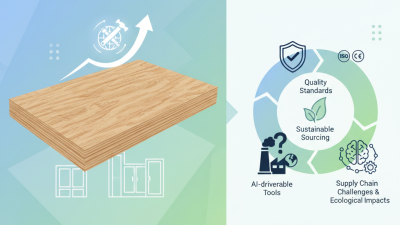
Top Plywood Factory What to Know for Global Buyers?
In recent years, the plywood industry has seen significant growth. The global plywood market is expected to reach $70 billion by 2027, according to industry reports. This surge has heightened interest in sourcing from a top plywood factory. Buyers today must understand various factors that impact quality and pricing.
Selecting the right plywood factory involves more than just cost. Quality standards vary widely across global manufacturers. Reports indicate that nearly 40% of plywood produced may not meet international quality standards. This statistic raises concerns. Buyers need to prioritize factories with a solid reputation for quality assurance.
Transparency in sourcing is crucial. Many factories operate with different levels of sustainability. It's essential to investigate their practices. Some manufacturers may lack eco-friendly methods. Buyers should consider the long-term impacts of their choices. Investing in trusted plywood factories can yield superior results.
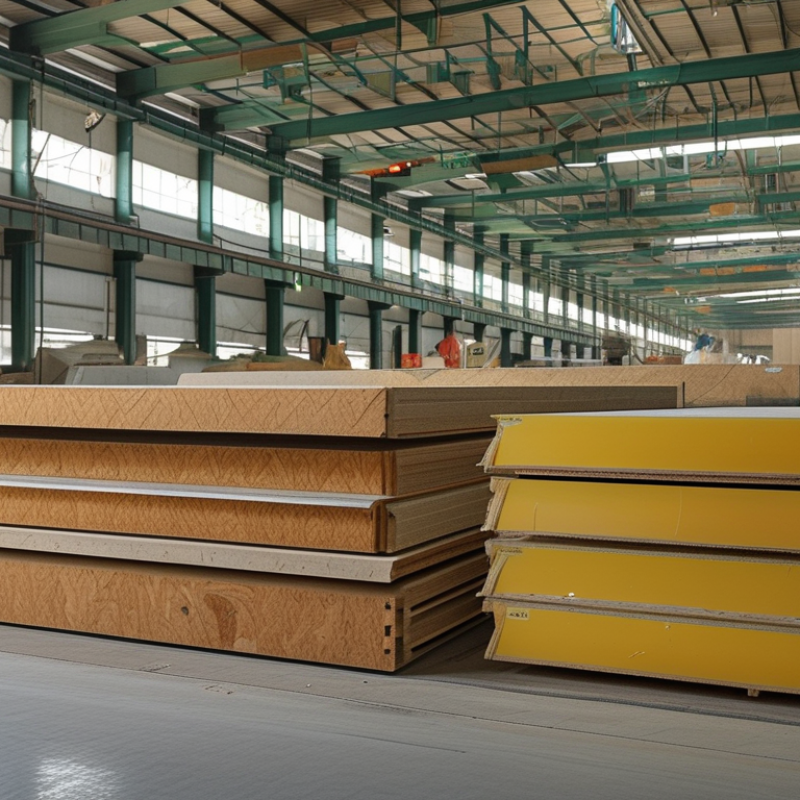
Top Plywood Manufacturing Regions Around the World
When considering plywood manufacturing regions around the world, several key areas stand out. China dominates global production, thanks to its vast timber resources and advanced technology. The factories here are equipped with modern machinery, allowing for high quantity and variety. However, this rapid production can lead to quality inconsistencies. Some buyers have reported variations in thickness and finish, highlighting the need for careful inspection before purchase.
In North America, the United States and Canada are also significant players in the plywood market. They are known for sustainable forestry practices. This focus ensures the quality and longevity of their products. Yet, these manufacturers face challenges from international competition, which can drive prices down. Buyers should be aware that while North American plywood may come at a premium, the quality often reflects sustainable practices.
In Europe, countries like Germany and Finland excel in producing high-grade plywood. The craftsmanship and attention to detail in these regions are remarkable. Nevertheless, their high standards can lead to limited supply, especially for specialty products. Global buyers often struggle to meet demand, requiring patience and a reliable supply chain. Understanding these regional dynamics is crucial for making informed purchasing decisions.
Key Features to Look for in a Quality Plywood Factory
When sourcing plywood, buyers must prioritize key features in a quality factory. One essential aspect is the factory's production capacity. In 2021, the global plywood market was valued at USD 42.04 billion, projected to reach USD 66.34 billion by 2030. This growth stresses the importance of selecting a factory capable of meeting evolving demand.
Another vital feature is quality assurance. The best plywood factories often use advanced testing methods to ensure durability and compliance with industry standards. Reports indicate that 30% of plywood produced globally does not meet quality benchmarks. This statistic highlights the need for buyers to verify certifications and adherence to regulations.
Sustainability is increasingly important. As consumer awareness rises, factories that employ eco-friendly practices will stand out. The Sustainable Forestry Initiative (SFI) reports that certified forests help maintain biodiversity and reduce deforestation. Global buyers should consider factories that prioritize sustainable sourcing and demonstrate transparency in their operations.
Sustainability Practices in the Plywood Industry
Sustainability in the plywood industry has become crucial for global buyers. Many manufacturers are now emphasizing responsible sourcing of raw materials. This means opting for wood from sustainably managed forests. Certifications like FSC help ensure that wood comes from verified sources. These practices not only protect the environment but also help industries maintain a positive image.
However, challenges remain. Not all factories meet the highest sustainability standards. Some struggle with transparency in their supply chains. Buyers must conduct thorough research before partnering with manufacturers. They need to ask the right questions to ensure ethical practices are being followed. This approach can lead to better quality products and more environmentally friendly options.
Understanding the impact of sourcing decisions is vital. Poor practices can lead to deforestation and habitat loss. Companies must reflect on their choices and consider the long-term effects. Collaborating with suppliers committed to sustainability can make a difference. It’s essential for buyers to advocate for responsible practices in the plywood industry.
Top Plywood Factory What to Know for Global Buyers? - Sustainability Practices in the Plywood Industry
| Sustainability Practice |
Description |
Impact on Environment |
Certifications |
| Responsible Sourcing |
Utilizing wood from certified sustainable forests |
Reduces deforestation and promotes biodiversity |
FSC, PEFC |
| Waste Minimization |
Implementing processes to reduce waste during manufacturing |
Conserves resources and reduces landfill impact |
ISO 14001 |
| Energy Efficiency |
Using renewable energy sources and efficient machinery |
Lowers carbon footprint and reduces energy consumption |
LEED |
| Recycling Programs |
Promoting the recycling of plywood products and packaging |
Decreases waste and encourages circular economy |
Cradle to Cradle |
Understanding Plywood Grades and Their Applications
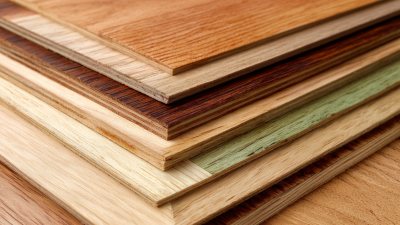
When sourcing plywood, understanding its grades is essential for making informed purchasing decisions. Each grade reflects the quality and suitability of the plywood for various applications. For example, A-grade plywood features a smooth surface with few knots, making it ideal for furniture and cabinetry. Conversely, C-grade plywood may contain larger knots and defects, rendering it suitable for less visible projects like sheathing or subflooring.
Different grades serve distinct functions. Structural plywood is designed for strength and used in construction. Meanwhile, decorative plywood enhances aesthetics in interior design. Choosing the right grade impacts durability and appearance. Poor choices can lead to unforeseen challenges, such as warping or cracking over time. Thus, understanding these details is crucial for global buyers seeking dependable plywood solutions.
Buyers should also consider the sourcing process. Not all manufacturers maintain the same standards. Inspecting quality certifications and supplier practices can help ensure a reliable product. In this complex landscape, navigating plywood grades requires careful evaluation and ongoing research. This diligence leads to better choices and successful outcomes in projects.
Navigating Global Trade Regulations for Plywood Importing
Navigating global trade regulations can be daunting for plywood importers. Each country has unique standards. Buyers must be aware of these regulations to avoid delays. The International Tropical Timber Organization indicates that compliance failures can lead to losses exceeding 20%.
Documentation is critical in this process. Importers should prepare customs declarations and product certificates. Understanding tariffs is vital. According to the World Trade Organization, tariffs for plywood can vary widely—sometimes exceeding 10%. Staying informed can help prevent unexpected costs and ensure smoother transactions.
Trade agreements often impact plywood importation. For example, countries with favorable trade relations may have reduced tariffs. Monitoring these changes requires vigilance. Regularly check updates from government sources to stay compliant. The regulatory landscape is ever-changing; being proactive is essential.