What is China Film Faced Plywood and Why is it Popular?
China Film Faced Plywood has seen a surge in popularity in recent years. This trend can be attributed to its robustness and versatility. According to the latest report from Chinese Plywood Association, the market for this product is expected to grow by over 8% annually. Industry expert Dr. Li Wei notes, “The durability of China Film Faced Plywood makes it an attractive choice for construction projects.”
The material’s waterproof and anti-abrasive features are vital for various applications. It's widely used in commercial and residential constructions, where quality matters. However, not all products meet the essential standards. Some manufacturers cut corners, leading to inconsistencies in quality. End users must be cautious when selecting suppliers to avoid subpar materials.
In short, while China Film Faced Plywood offers significant benefits, awareness of quality variance is crucial. Buyers should rely on reputable sources to ensure they receive a superior product. The construction sector's reliance on this material reflects its overall effectiveness, yet critical evaluation remains essential.
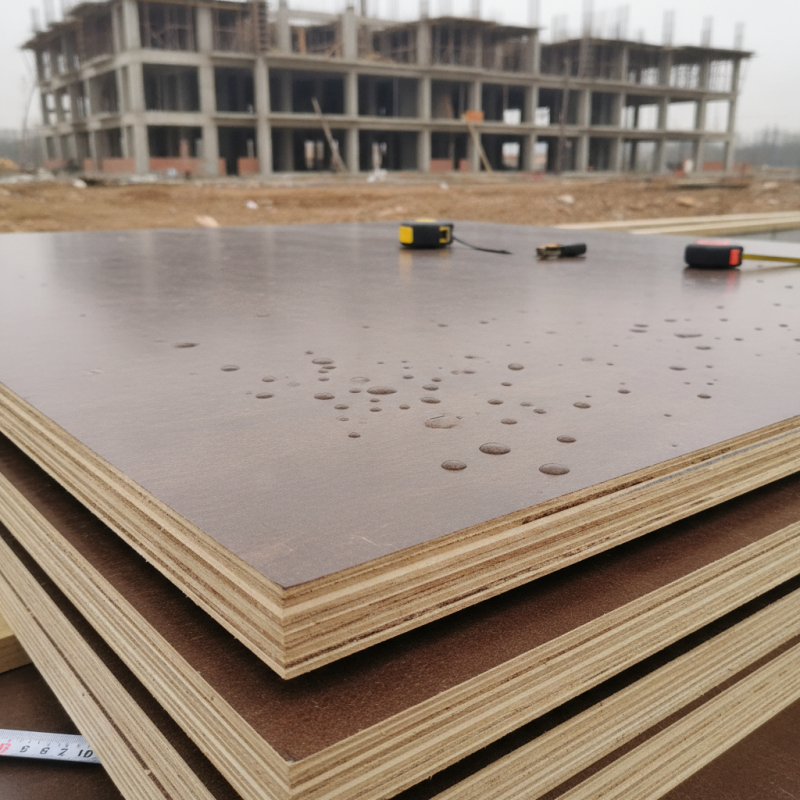
What is China Film Faced Plywood?
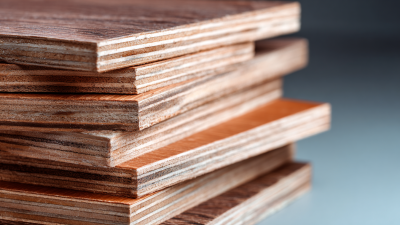
China film faced plywood is a specialized plywood type known for its durability and water resistance. This product is often used in construction, especially for formwork and scaffolding. According to a recent market report, the global demand for plywood is projected to grow steadily, with China being one of the largest producers. The country accounted for approximately 30% of the total plywood production in 2022, indicating its significance in the global market.
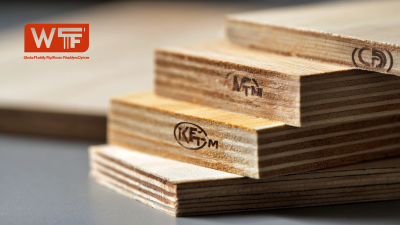
Film faced plywood typically features a phenolic film overlay. This film helps protect against moisture and wear, making it ideal for heavy-duty applications. Industry studies show that film faced plywood maintains high structural integrity, even in adverse conditions. However, quality can vary. Some products might not meet international standards, leading to potential issues in construction quality. Ensuring compliance with specifications is crucial for optimal performance.
The popularity of China film faced plywood can also be attributed to its cost-effectiveness. It is often less expensive than alternatives from other regions. Reports indicate that construction projects using this plywood can achieve a significant reduction in costs. However, reliance on lower-priced products may sometimes result in less sustainable practices. Assessing both environmental impact and long-term value is essential for making informed decisions.
Key Characteristics and Features of Film Faced Plywood
Film faced plywood is a versatile product widely used in construction and industrial applications. Its popularity stems from several unique characteristics. Firstly, the waterproof film surface provides enhanced durability and resistance to moisture, making it ideal for outdoor projects. According to a recent market analysis, the global demand for film faced plywood is expected to increase by 5% annually over the next five years, driven by its applications in concrete formwork and scaffolding.
Additionally, this material features excellent strength-to-weight ratios. The layers of veneer bonded together under heat and pressure create a sturdy yet lightweight panel. This property is crucial for ease of handling and transportation on job sites. However, there are limitations. The quality of film faced plywood can vary based on manufacturing processes, often leading to inconsistencies in performance. Studies highlight that up to 20% of lower-grade products fail to meet industry standards, raising concerns about reliability.
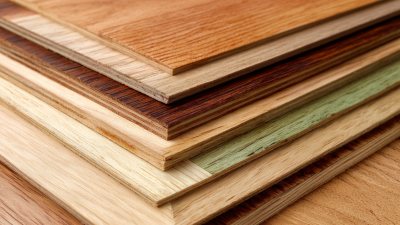
In terms of aesthetics, film faced plywood is available in various finishes. This offers flexibility in design while providing functionality. As architects and builders prioritize sustainability, the sourcing of materials remains a pivotal factor. Sustainable practices in production could greatly influence choices in the future. Despite its benefits, it’s essential to continually assess quality, sourcing, and environmental impact in the use of film faced plywood.
Characteristics and Popularity of China Film Faced Plywood
Applications of China Film Faced Plywood in Construction and Industry
China film faced plywood is widely utilized in construction and industrial applications. Its smooth surface is ideal for concrete formwork, ensuring a flawless finish. Builders prefer it for its durability and resistance to water damage. This plywood can withstand harsh weather conditions, making it a reliable choice for outdoor projects.
In addition to construction, this plywood finds use in furniture and interior design. Its versatility allows for creative applications, from cabinets to decorative panels. However, the environmental impact of sourcing timber for plywood should be considered. Sustainable sourcing practices are crucial to protect forests and biodiversity.
Tips: Always check for certifications that ensure the plywood is sourced responsibly. Consider the specific needs of your project to choose the right thickness and type. Understanding these factors can lead to better project outcomes.
What is China Film Faced Plywood and Why is it Popular? - Applications of China Film Faced Plywood in Construction and Industry
| Dimension |
Value |
Application Area |
| Thickness |
9mm, 12mm, 18mm |
Building Formwork |
| Size |
1220mm x 2440mm |
Flooring |
| Material |
Plywood |
Wall Paneling |
| Water Resistance |
High |
Marine Applications |
| Cost |
$20 - $60 per sheet |
Temporary Structures |
Reasons for the Popularity of China Film Faced Plywood
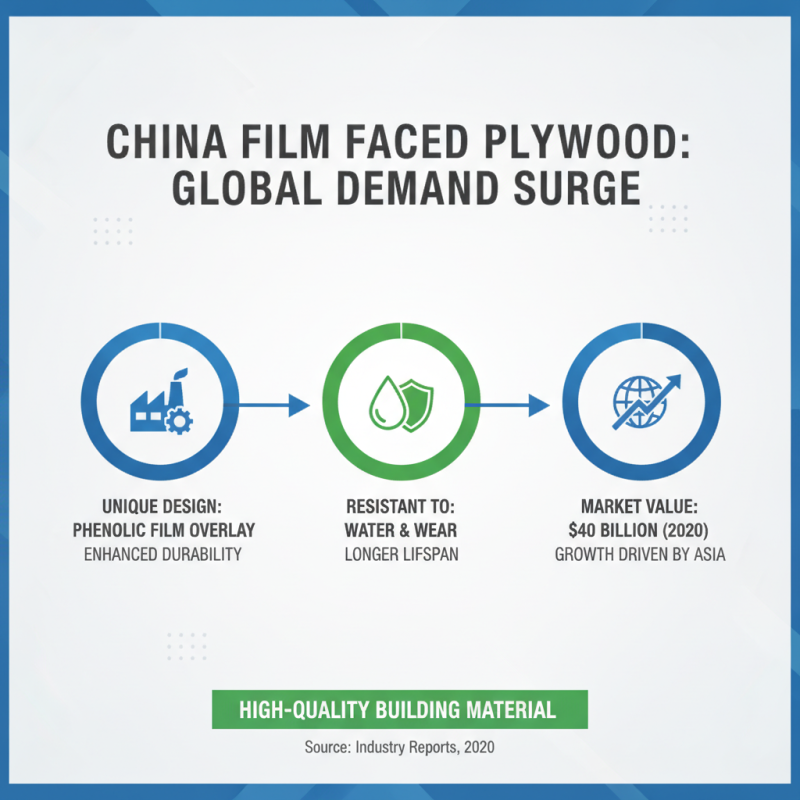
Film faced plywood from China has gained significant traction in the construction industry. Its unique design features a phenolic film overlay, which enhances durability against water and wear. According to industry reports, the global plywood market was valued at approximately $40 billion in 2020 and is expected to grow steadily. This surge is mainly attributed to the rising demand for high-quality building materials, especially in Asia.
One reason for film faced plywood's popularity lies in its versatility. It can withstand harsh weather conditions, making it suitable for both indoor and outdoor applications. In construction, it serves well for formwork in concrete projects. The International Plywood Association highlights that this type of plywood can reduce construction time due to its lightweight nature and ease of handling.
Additionally, film faced plywood is favored for its cost-effectiveness. A report by the Construction Materials Institute suggests that while initial investment may vary, the lifespan and minimal maintenance requirements can yield significant savings over time. However, there are concerns about sourcing sustainable materials, as not all manufacturers adhere to eco-friendly practices. This inconsistency raises questions about long-term environmental impact and sustainability within the industry.
Comparative Advantages Over Other Types of Plywood
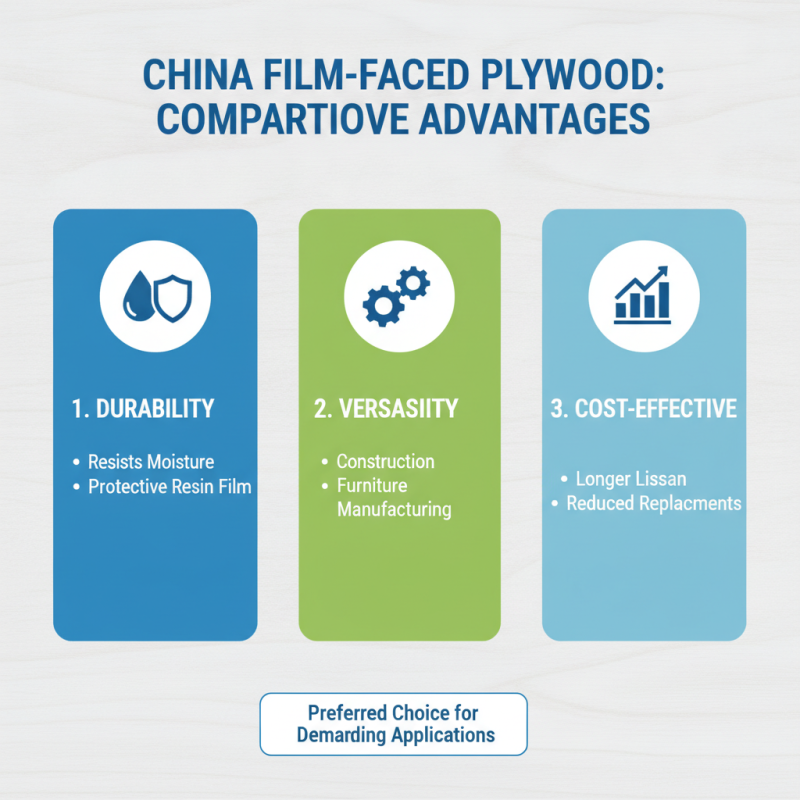
China film faced plywood has gained popularity due to its unique advantages. One key advantage is its durability. According to industry reports, this type of plywood can withstand moisture better than standard varieties. The overlay of film resin provides a protective layer, making it suitable for various applications, including construction and furniture manufacturing.
Another benefit is its cost-effectiveness. Recent data suggest that film faced plywood can be up to 20% less expensive than phenolic plywood. This cost efficiency does not compromise quality. It maintains structural integrity while being lighter in weight. For builders and manufacturers, this translates into lower shipping costs and easier handling on site.
However, challenges exist. The manufacturing process must be closely monitored to ensure consistency. Variations can occur, leading to potential quality issues. Additionally, while many praise its versatility, some critiques highlight the need for careful selection based on specific project requirements. In this evolving market, staying informed about material properties and industry standards is essential for optimal use.