What is OSB Sheathing and Why Is It Popular?
OSB sheathing, or oriented strand board sheathing, has gained significant traction in the construction industry. According to the American Plywood Association, OSB has a market share of about 80% for structural wood panels. This popularity stems from its versatility, cost-effectiveness, and strength. As noted by industry expert Michael Thompson, “OSB sheathing offers builders an efficient and reliable solution for modern construction needs.”
The demand for OSB sheathing continues to grow. Its moisture resistance and shear strength make it suitable for various applications, including walls, floors, and roofs. While OSB sheathing is lauded for its benefits, it is essential to consider some downsides. For instance, OSB can swell when exposed to moisture, which might compromise its integrity over time.
Choosing the right material is crucial for long-lasting structures. Although OSB sheathing is a popular choice, not all projects may benefit from its characteristics. It is vital for builders to assess the specific needs of each project. Balancing the advantages and potential pitfalls ensures the best outcome in construction.
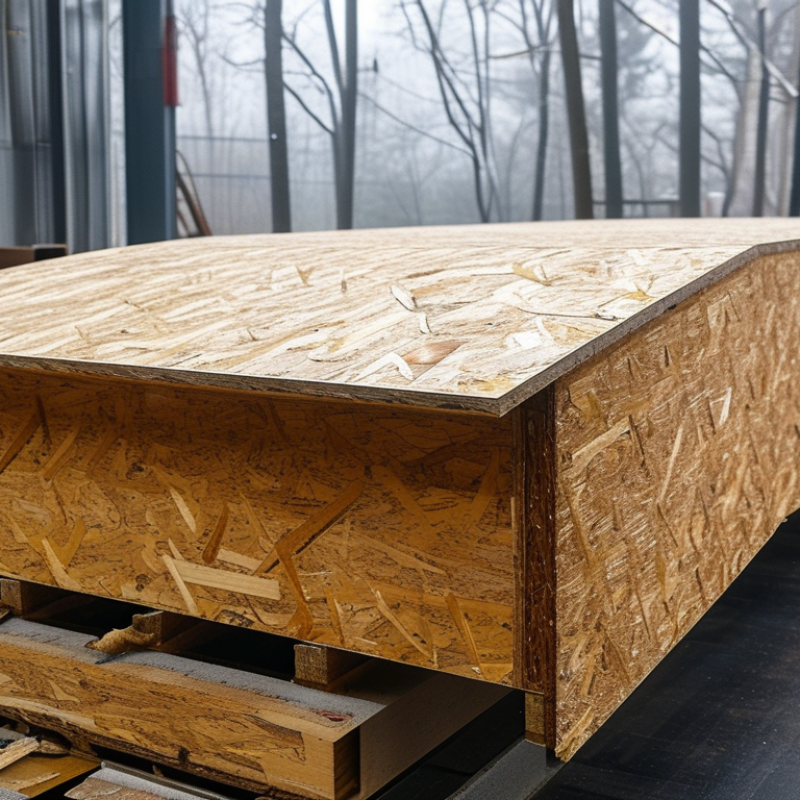
Definition and Composition of OSB Sheathing
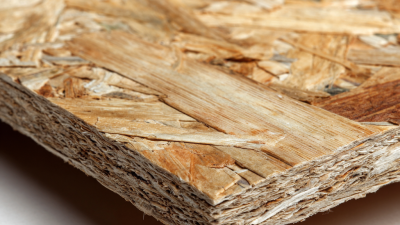
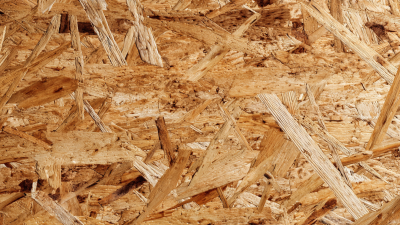
OSB (Oriented Strand Board) sheathing is a widely used building material. It consists of thin wood strands, bonded together with adhesive. The ingredients undergo heat and pressure, creating sheets strong enough for various construction needs. The composition allows for flexibility in design and application.
One of the appealing aspects of OSB sheathing is its eco-friendliness. The production utilizes wood from fast-growing trees, helping to reduce waste. The process can lead to variations in thickness and density, which may require builders to be attentive to quality during selection. While the standard thickness is usually 7/16 inch, options vary, and not all sheets are of equal strength.
OSB is affordable and easy to work with, attracting contractors and DIY enthusiasts alike. However, moisture control is crucial. OSB can swell and warp when exposed to water. This characteristic reflects a need for proper installation techniques, primarily using moisture barriers. Choosing OSB requires careful consideration of its uses and limitations in different environments.
Benefits of Using OSB Sheathing in Construction
OSB sheathing, or oriented strand board sheathing, has gained significant traction in the construction industry. Its versatility is one key factor behind its popularity. According to the APA – The Engineered Wood Association, OSB accounts for around 70% of the sheathing market in the United States. This indicates widespread acceptance among builders and contractors.
One notable benefit of using OSB sheathing is its structural integrity. It provides excellent strength-to-weight ratio, making it a strong choice for walls, roofs, and floors. Studies have shown that OSB exhibits comparable performance to plywood in terms of load-bearing capacity. However, the moisture resistance can be a concern in some projects. While OSB is treated for durability, improper installation in wet conditions may lead to swelling or delamination over time.
Cost-efficiency is another significant advantage. Typically, OSB sheathing is more affordable than traditional plywood. The National Association of Home Builders (NAHB) indicates that it can reduce overall construction costs by as much as 10%. While this can benefit budget-conscious projects, it’s vital to consider the potential trade-offs in performance under extreme weather conditions. Choosing the right material is essential to ensure long-lasting results.
Comparison Between OSB Sheathing and Other Materials
When comparing OSB sheathing with other materials, it's clear why many builders favor it.
OSB, or oriented strand board, is made from strands of wood arranged in layers, bonded with adhesives. This composition grants it strength and resilience, often outperforming plywood in certain applications.
Builders appreciate its cost-effectiveness, which can be crucial for budget-conscious projects.
In contrast, plywood is another common sheathing option. While plywood offers good tensile strength, it is generally more expensive. Its susceptibility to moisture damage can also be a drawback. Conversely, fiberglass sheathing presents a lightweight alternative but lacks the structural integrity that OSB provides. Each material comes with its own set of pros and cons.
Builders often reflect on their experiences with these materials. Sometimes, OSB can warp if not properly protected. This makes it essential to consider installation methods. It’s important not to overlook the long-term implications of your choice. OSB sheathing has become a staple, but understanding its limitations can ensure better project outcomes.
Common Applications of OSB Sheathing in Building Projects
OSB sheathing, or oriented strand board, has become a staple in modern construction. Its structure consists of wood strands, pressed and bonded with adhesives. This unique design gives OSB strength while allowing for cost-effective production. Builders appreciate how it can be used in various applications, making it a versatile choice.
One common application for OSB sheathing is wall assembly. It provides support and insulation, helping to stabilize the entire structure. Many contractors use it for roof sheathing as well. It withstands different weather conditions, making it reliable in several climates. However, some builders worry about its performance in extremely wet conditions. Proper sealing techniques are essential to prevent moisture-related issues.
Another popular use is in flooring systems. OSB sheathing can serve as a subfloor material, providing a solid base for various floor finishes. It’s lighter than plywood, making it easier to handle on site. Despite its many advantages, homeowners and builders should consider the potential downsides. OSB can be less durable than other materials over time if not installed correctly. Careful planning and installation are crucial for ensuring its longevity and performance.
Factors Contributing to the Popularity of OSB Sheathing
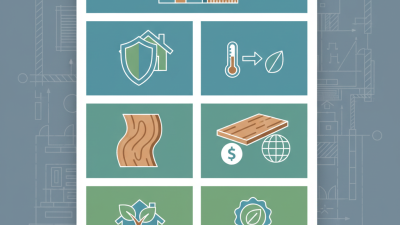
OSB sheathing, or oriented strand board, has gained significant traction in modern construction. One key factor behind its popularity is its cost-effectiveness. Data from the National Association of Home Builders shows that OSB can be up to 20% cheaper than plywood, making it a preferred option for builders working within tight budgets. This affordability does not compromise structural integrity. OSB is engineered for strength, providing excellent sheathing for walls and roofs.
Another contributing factor is its versatility. OSB can be used in a variety of applications, including flooring, walls, and roofing. According to a study by the Engineered Wood Association, OSB accounts for approximately 70% of the sheathing market in the United States. Builders appreciate its performance under various environmental conditions. It can withstand moisture and is less prone to warping compared to traditional materials. However, the reliance on OSB also raises questions about its long-term durability and environmental impact, as its production involves adhesives that can have varying levels of sustainability.
Factors Contributing to the Popularity of OSB Sheathing