Inquiry
Form loading...

Top 10 Things to Know Is OSB Board Waterproof?

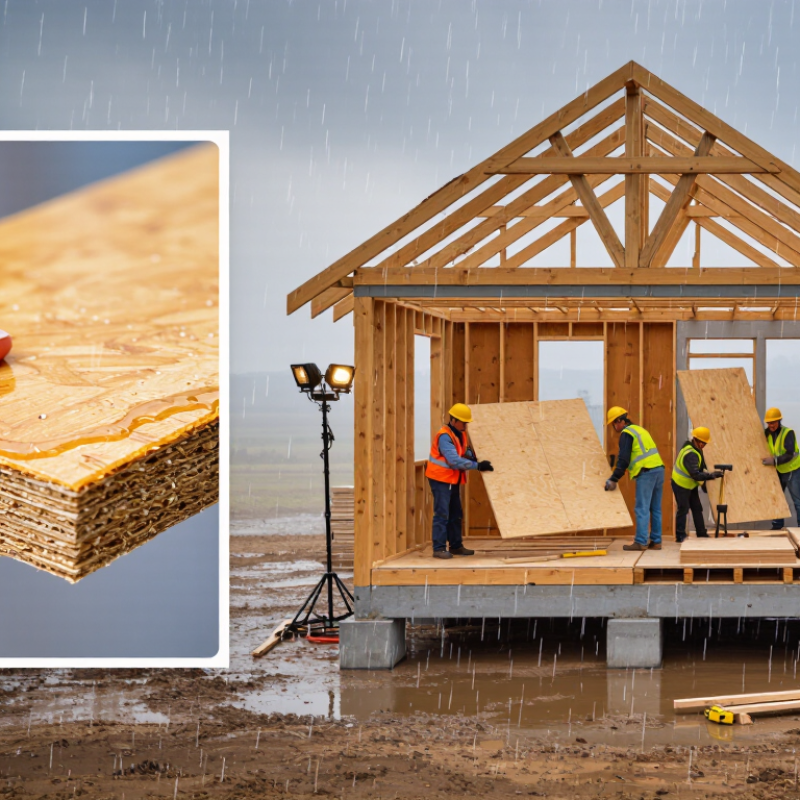
Can OSB survive a leak, a wet jobsite, or a season of rain? The answer depends on the panel grade, exposure time, edge protection, and installation details. OSB can tolerate limited construction moisture, but that does not make it waterproof. APA – The Engineered Wood Association distinguishes Exposure 1 panels, intended for temporary construction exposure, from Exterior panels designed for repeated or long-term weather exposure. Check the panel stamp, not just the product name.

The stakes are practical. Swollen edges can lift beneath flooring, while damp sheathing may complicate repairs behind siding. APA’s engineered-wood guidance and the USDA Forest Products Laboratory’s Wood Handbook explain why moisture protection and correct use matter. Separately, the U.S. Census Bureau reported 1.413 million housing starts in 2023, a reminder of how widely building materials are used—not proof that any panel can withstand permanent wetting. Details matter.

This guide examines the Top 10 Things to Know Is OSB Board Waterproof, from water resistance and swelling to sealing, storage, and replacement. A named expert quotation should be checked against an original interview or publication; none was supplied here, so I will not invent one. That matters. A confident-sounding quote is not evidence. Before choosing a panel, verify its grade and the manufacturer’s instructions, then consider the actual conditions on site. OSB Board Waterproof is not a simple yes-or-no question.
Top 10 Things to Know Is OSB Board Waterproof?

What OSB Board Is and How It Is Made

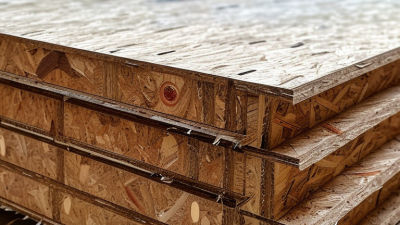
Oriented strand board (OSB) is an engineered wood panel, not a solid timber board. At the mill, logs are debarked, cut into thin strands, and dried to controlled moisture levels. The strands are blended with resin and wax, then formed into layered mats. Direction matters. Face layers generally run lengthwise, while core strands run across them. A heated press compresses the mat and cures the resin into a rigid panel. This process uses wood efficiently, but the finished panel still responds to moisture.

APA’s Engineered Wood Construction Guide identifies 4-by-8-foot panels as a common format and uses span ratings to guide structural applications. These figures describe panel dimensions and intended support spacing, not suitability for permanent wet exposure. The USDA Forest Products Laboratory’s Wood Handbook (FPL-GTR-282) explains that wood exchanges moisture with its surroundings and changes dimension as moisture levels shift. OSB edges can swell after repeated soaking, and drying may not restore a perfectly flat surface. That distinction matters. OSB can tolerate brief construction exposure when specified and protected, but it is not waterproof. The terminology is easy to overread; checking the panel grade, edge protection, and installation instructions is more reliable than judging by appearance.
Top 10 Things to Know: Is OSB Board Waterproof?

What OSB is and how it is made: Oriented strand board (OSB) is an engineered wood panel made by pressing layers of wood strands with resin under heat and pressure. Its resistance to moisture depends on its grade, but OSB is not waterproof.

How to read this chart: The bars show the maximum thickness swelling limits specified by EN 300 after a 24-hour water-immersion test. OSB/3 and OSB/4 are intended for load-bearing use in humid conditions, but they still need protection from prolonged water exposure.

How OSB Responds to Water and Moisture

Top 10 Things to Know Is OSB Board Waterproof?
How OSB Responds to Water and Moisture

OSB is not waterproof. Its resin-bonded strands resist brief dampness, but standing water can penetrate the panel, swell its edges, and weaken fasteners. Damage often appears first along cut edges or around unsealed openings. A panel may look dry on the surface while remaining damp inside. That can make judging it by appearance alone unreliable.

Tips: Keep panels raised off the ground and covered, but allow airflow beneath the cover. Seal exposed edges where the design requires it. If a panel gets wet, dry it promptly and check for swelling, soft spots, or loose fasteners before covering it.

Moisture response depends on exposure, panel grade, and installation. The USDA Forest Products Laboratory’s 2021 Wood Handbook reports that wood at about 70°F and 50% relative humidity reaches roughly 9% equilibrium moisture content. This is a useful reference, not a guaranteed OSB reading. ASTM D1037 evaluates water absorption and thickness swelling in wood-based panels; such testing does not mean a panel is waterproof. In practice, a roof leak or wet slab can keep OSB damp far longer than a quick splash. It is easy to underestimate that slow drying.

Top 10 Things to Know: Is OSB Board Waterproof? — How OSB Responds to Water and Moisture

# What to Know How OSB Responds Practical Guidance
1 OSB is not waterproof OSB is made from wood strands bonded with resin. Like other wood-based panels, it can absorb moisture and change dimension when exposed to water. Protect panels from rain, standing water, leaks, and persistent dampness, especially in finished assemblies.
2 Some panels tolerate limited construction exposure Panel ratings such as “Exposure 1” indicate suitability for limited weather exposure during construction, not permanent outdoor or wet-service use. Check the panel stamp and applicable building requirements. Cover the structure and install the specified weather-resistive layers promptly.
3 Edges can swell more than faces Cut edges and panel joints may take up moisture readily. Swelling can make edges uneven and may affect flooring or cladding finishes. Keep edges protected and follow the required panel-gap and installation details. Do not force swollen panels into place.
4 Brief wetting is different from prolonged saturation A short exposure followed by thorough drying may cause little lasting damage, but repeated wetting or long periods of dampness increase the risk of swelling and deterioration. Remove the source of water, dry the area promptly, and inspect the panel after it has dried.
5 Drying does not always restore the original panel Moisture-related swelling or surface roughness may remain after the panel dries. Dimensional changes can affect joints and the flatness of finished surfaces. Assess the panel’s condition and the requirements of the finished assembly; replace panels that are distorted or no longer perform as intended.
6 Water exposure can reduce performance Prolonged or repeated moisture exposure can weaken the panel, damage bonds, or cause delamination, depending on the product and exposure conditions. Do not assume a panel is structurally sound just because its surface looks dry. Seek professional assessment when damage is extensive or the panel is load-bearing.
7 Mold risk depends on moisture and time OSB can support mold growth when it stays damp and other conditions are favorable. Mold is not prevented simply by using a moisture-tolerant panel. Stop leaks, dry materials and cavities, and address visible mold using appropriate local health and remediation guidance.
8 Good detailing helps manage moisture OSB performs best when building layers direct water away and allow assemblies to dry as designed. Trapped moisture can prolong exposure. Use suitable flashing, drainage, ventilation, and weather-resistive barriers according to the project design and local code.
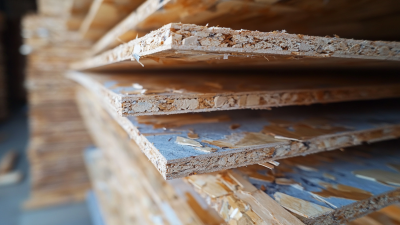
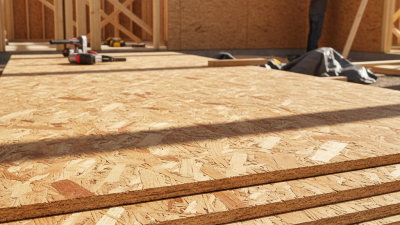
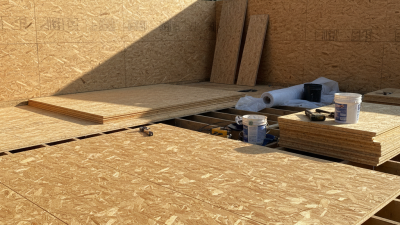
9 Storage and installation matter Panels left on wet ground or exposed to weather can absorb moisture before installation. Poor drainage and unprotected edges can increase the risk. Store panels flat, off the ground, supported, and protected from direct weather while allowing airflow. Follow the manufacturer’s handling instructions.
10 Choose the panel for its intended use OSB grades and classifications vary by region and intended service conditions. A moisture-related rating does not mean the panel is waterproof. Read the panel markings and technical documentation, and select a product approved for the application and expected exposure.

Key takeaway: OSB is moisture-sensitive rather than waterproof. Its ability to withstand temporary exposure depends on the panel classification and installation, while ongoing protection and prompt drying help reduce damage.

What Affects OSB’s Water Resistance

OSB’s water resistance depends on its panel rating, adhesive system, and exposure conditions. It is not waterproof. Panels rated for temporary construction exposure can tolerate limited moisture, but repeated soaking may still cause swelling. The edges often absorb water faster than the broad faces. A damp corner can become rough or raised after a few wetting cycles.

Exposure time matters. Brief rain followed by prompt drying is different from water trapped beneath flooring or against a wall. Panel thickness and installation also affect performance: tight joints, unsupported edges, or poor drainage can leave moisture with nowhere to go. Keep sheets raised off the ground, cover them during storage, and allow airflow around wet panels. Small details count.

A coating or sealed edge may slow absorption, but it cannot make OSB permanently waterproof. Follow the panel maker’s installation guidance and use products suitable for the intended exposure. Check cut edges and fastener holes, especially near sinks, roofs, and exterior openings. I would not judge a panel by one dry inspection; moisture damage can develop out of sight. Allow for drying, and replace material that has lost strength or remains swollen.

How to Identify and Prevent Water Damage

OSB board is not waterproof. Some panels are designed to withstand limited construction exposure, but repeated wetting can cause damage. Check for raised, swollen edges, dark patches, flaking strands, or panels that feel soft under pressure. A musty smell may signal moisture nearby, though smell alone cannot confirm damage. Look closely around roof leaks, plumbing, windows, and exposed cut edges. A stain can be misleading; sometimes the surface dries while the panel’s core remains damp.

Tips: Use a flashlight and compare suspect areas with dry sections. Press gently, not with a sharp tool. Photograph changes over several days. Keep panels raised off the ground and covered during storage, while allowing airflow beneath the cover. Seal exposed edges when the panel instructions recommend it. Small details matter.

To prevent damage, repair leaks promptly and direct water away from walls and foundations. Install suitable barriers and flashing for the intended application, following local building requirements and the panel’s installation guidance. Avoid trapping wet materials behind finishes. If an edge has swollen, layers are separating, or the panel has lost strength, drying may not restore it. Replace compromised sections and investigate the moisture source before closing the area. I would not judge a panel by color alone; checking its firmness and surrounding conditions gives a clearer picture.

How to Protect OSB and Choose the Right Grade

OSB can handle brief construction exposure, but it is not waterproof. Rain can swell its edges, and repeated wetting may weaken the panel or cause uneven surfaces. The damage often starts where water sits: around cutouts, lower wall edges, and roof openings. Edges matter.

Choose the grade for the expected exposure, not just the price. Exposure 1 panels are generally intended for normal construction delays, including limited moisture, but not long-term weather exposure. Exterior-rated panels use adhesive suited to repeated wetting, yet they still need proper building protection. Grade names and requirements can vary, so check the panel stamp and local building specifications before buying. A higher grade is not a substitute for good detailing.

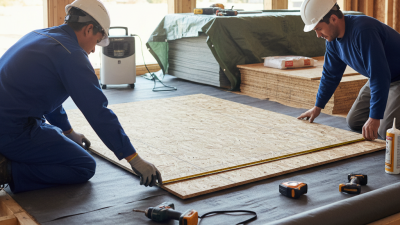
Keep sheets off the ground and cover stacked panels while allowing air to circulate. Install roofing underlayment or wall weather barriers promptly, and protect exposed edges and fresh cuts with a compatible sealant where the project specifications call for it. Leave the spacing recommended by the panel maker; tightly packed sheets can buckle as they absorb moisture. On site, small gaps are easy to forget when work is rushed. That detail deserves a second look. Dry any wet framing before enclosing it, and replace panels that remain swollen or soft rather than hiding the damage.