2026 How to Install Osb Roof Sheathing for Better Home Protection?
Installing Osb Roof Sheathing is crucial for enhancing your home’s durability. Osb Roof Sheathing provides a strong and reliable barrier against harsh weather. According to the American Plywood Association, this material can withstand heavy rains and strong winds, offering a lifespan of over 30 years when installed correctly.
Proper installation is key in maximizing the benefits of Osb Roof Sheathing. Neglecting to follow guidelines can lead to costly repairs. A report from the National Roofing Contractors Association emphasizes that many roofing failures stem from improper sheathing installation. The right methods ensure energy efficiency and improve the overall structural integrity of the home.
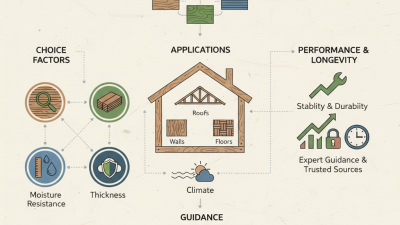
Many homeowners overlook the nuances of this installation process. It's vital to choose the right thickness and type of Osb for specific climates. Employing professional help can mitigate risks and enhance outcomes. With the right approach, Osb Roof Sheathing not only protects against the elements but also contributes to a more energy-efficient home.
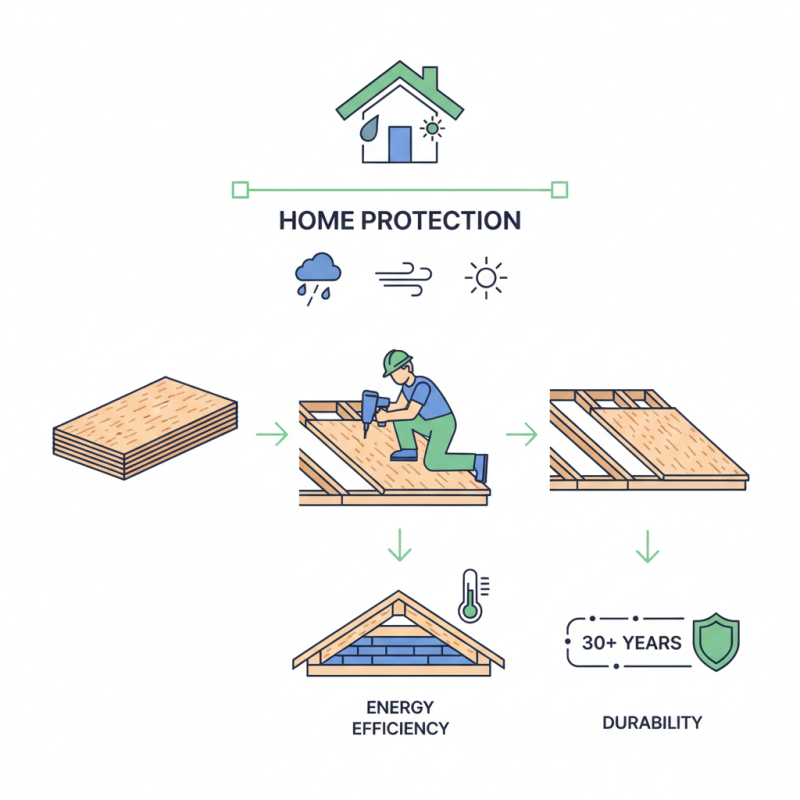
Understanding OSB Roof Sheathing and Its Benefits
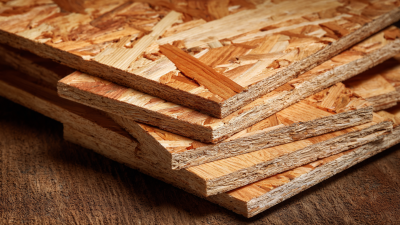
OSB, or oriented strand board, is a vital component in modern roof sheathing. It serves as a cost-effective alternative to plywood, providing excellent structural integrity. According to a study by the APA – The Engineered Wood Association, OSB achieves approximately 80% of the strength of plywood while being 30% lighter. This makes it a popular choice among contractors seeking durability without compromising on weight.
The thermal efficiency of OSB should also be highlighted. When installed correctly, it can offer better insulation properties. Reports indicate that buildings with OSB roof sheathing can maintain more stable indoor temperatures, leading to energy savings. However, it is essential to ensure proper sealing and ventilation. Poor installation can lead to moisture retention, which compromises the material's benefits.
Many homeowners underestimate the importance of choosing the right sheathing material. A study by the North American Wood Council found that nearly 40% of homes experience roof failure due to improper sheathing. This statistic highlights the need for thorough understanding and expert installation. Investing time in selecting and installing quality OSB can lead to significant long-term benefits for home protection.
2026 OSB Roof Sheathing Benefits Overview
Tools and Materials Needed for Installing OSB Roof Sheathing
When installing OSB roof sheathing, having the right tools and materials is essential. You'll need a sturdy ladder for safe access to your roof. A tape measure is crucial for accurate cuts. A circular saw provides clean edges when cutting the OSB panels to size. Make sure you have a hammer and nails ready for installation. You’ll also require safety gear, like goggles and gloves, to protect yourself while working.
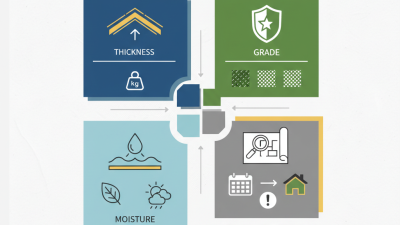
In addition to these tools, choosing the correct type of OSB is important. Look for panels with a thickness suitable for your roofing requirements. A moisture-resistant option may help in areas with high humidity. You might also want extra support materials, such as adhesive or wood screws for a stronger hold. Ensure your workspace is well-organized; this makes the process smoother.
Remember to double-check your measurements and layout before cutting. It is easy to miscalculate, which can lead to waste. This is a common mistake for DIYers. Take your time to plan your installation carefully. Being methodical helps avoid unnecessary rework and promotes a safer worksite.
Step-by-Step Guide to Installing OSB Roof Sheathing
Installing OSB (Oriented Strand Board) roof sheathing is crucial for enhancing home protection. This material is engineered for strength and durability, making it ideal for roofing applications. According to industry data, OSB performs similarly to plywood in holding nails and resisting shear forces. This means that it can offer effective structural support under various weather conditions.
To begin the installation: ensure that the roof deck is clean and free of debris. Lay the OSB panels perpendicular to the rafters. This creates a more robust structure. Use a minimum of 7/16 inch thick panels for adequate strength. Fasteners should be spaced every 6 inches along the edges and 12 inches in the field. This spacing is essential for optimal load distribution. However, many homeowners make the mistake of neglecting proper fastening. This can lead to issues like warping or loosening over time.
Remember to account for moisture during installation. OSB can absorb water and swell if not properly sealed. Some do-it-yourselfers overlook this important step. A quality sealant can help protect the material from water damage. It's also wise to consider airflow in the roof assembly to prevent condensation buildup. Overall, proper installation is vital for long-term performance and protection, and attention to detail can make all the difference.
Common Mistakes to Avoid When Installing OSB
Installing OSB roof sheathing requires careful consideration to avoid mistakes. One common pitfall is improper alignment of panels. If panels are not aligned correctly, they can lead to gaps, increasing the risk of leaks and structural damage. Always double-check your measurements before securing the OSB to ensure a tight fit.
Another mistake is using insufficient fasteners. Relying on too few nails or screws can compromise the sheathing’s integrity. For best results, use the recommended fastener pattern. This distributes weight evenly and strengthens your roof. Remember, a well-fastened roof will withstand severe weather much better.
**Tip:** When cutting OSB, use a sharp utility knife for clean edges. This reduces the likelihood of splintering, which can weaken the sheathing.
Moisture is another critical factor to consider during installation. Always store OSB in a dry area before installation. Wet or damp boards can expand and warp, leading to issues later. Checking for moisture content can save you from future headaches.
**Tip:** Keep OSB off the ground using pallets or boards. This prevents moisture from seeping in and maintains the integrity of your materials.
2026 How to Install OSB Roof Sheathing for Better Home Protection? - Common Mistakes to Avoid When Installing OSB
| Common Mistakes |
Description |
Impact on Installation |
Tips to Avoid |
| Incorrect Measurements |
Failing to accurately measure the roof can lead to insufficient or excess material. |
May cause gaps or overlap, compromising insulation and structural integrity. |
Always double-check measurements before cutting. |
| Improper Nailing |
Using the wrong type or insufficient number of nails can weaken the sheathing. |
Can lead to the panels bowing or detaching over time. |
Follow manufacturer guidelines for nailing patterns. |
| Ignoring Weather Conditions |
Installing during rain or extreme temperatures can affect adhesive properties. |
May result in poor bonding and increased risk of warping. |
Plan installation during favorable weather conditions. |
| Using Damaged Boards |
Using OSB sheets with visible damage or defects can compromise the entire structure. |
Can lead to an increased risk of leaks and structural failure. |
Inspect each board before installation. |
| Neglecting Moisture Barrier |
Failing to install a moisture barrier can lead to mold and damage within the structure. |
Increases the risk of expensive repairs later on. |
Always use a moisture barrier where necessary. |
Maintenance Tips for OSB Roof Sheathing Longevity
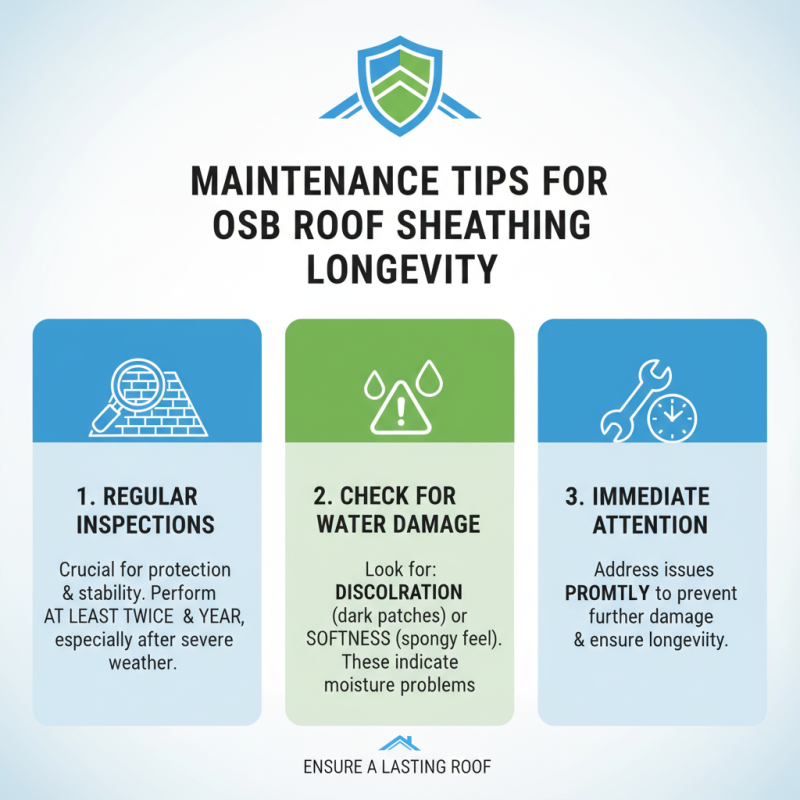
Proper maintenance of OSB roof sheathing is vital for ensuring long-lasting protection and stability. Regular inspections are essential. Check for signs of water damage, such as discoloration or softness. These issues can indicate moisture problems that need immediate attention. Ideally, perform these checks at least twice a year, especially after severe weather events.
Another important aspect is controlling the attic environment. Proper ventilation prevents moisture buildup, a major culprit in OSB deterioration. Keep exhaust vents clear and ensure airflow is unobstructed. This step is crucial. Additionally, applying a sealant can enhance moisture resistance. However, it’s important to choose the right type of sealant. A poorly chosen sealant can lead to more problems than it solves.
Ensure that gutters and downspouts are functioning effectively. Clogged gutters can cause water to overflow onto the roof. Water pooling on the sheathing leads to rot and mold growth. If the OSB does sustain damage, prompt repairs are necessary. Ignoring minor issues can escalate into costly repairs. Being proactive with maintenance can significantly extend the life of your roof sheathing.