Inquiry
Form loading...

Top 10 Innovative Uses of OSB Sterling Board in 2025 Construction Projects

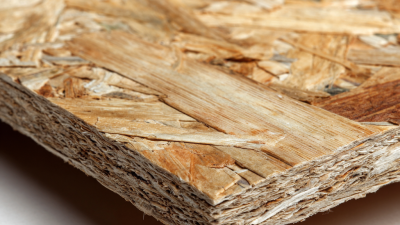
In the rapidly evolving landscape of construction, the incorporation of innovative materials plays a crucial role in enhancing the efficiency, sustainability, and aesthetic appeal of modern projects. Among these materials, OSB Sterling Board has emerged as a game-changer in the industry. According to construction expert Dr. Emily Carter, "The versatility and strength of OSB Sterling Board not only streamline the building process but also significantly reduce environmental impact." This statement underscores the importance of innovative materials like OSB Sterling Board in shaping the future of construction.

As we look forward to 2025, the use of OSB Sterling Board is set to transform how we approach building design and construction methods. Its unique properties allow for diverse applications—from structural components to interior finishes—making it a favored choice among architects and builders alike.

In this article, we will explore the top ten innovative uses of OSB Sterling Board, showcasing how this material is not only enhancing construction practices but also paving the way for a more sustainable future in the industry. By highlighting cutting-edge applications, we aim to illustrate the potential of OSB Sterling Board to redefine the parameters of modern architecture and construction.
Top 10 Innovative Uses of OSB Sterling Board in 2025 Construction Projects

Innovative Structural Applications of OSB Sterling Board in Sustainable Housing

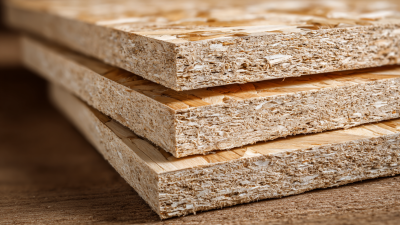
In 2025, the construction industry is witnessing a transformation with the innovative use of OSB Sterling Board, particularly in the realm of sustainable housing. As urbanization continues to rise, the demand for eco-friendly building materials has surged. According to the U.S. Green Building Council, the use of sustainable materials in new construction has increased by 36% since 2020, and OSB Sterling Board plays a pivotal role in this trend. Its manufacturing process utilizes renewable resources and supports waste reduction, making it an ideal choice for environmentally conscious builders.

OSB Sterling Board is not only sustainable but also offers impressive structural advantages. With a shear strength that is 30% higher than traditional plywood, it allows for reduced material usage without compromising structural integrity. A report by MarketsandMarkets forecasts that the global OSB market will grow from $68 billion in 2021 to over $90 billion by 2026, driven by its versatility in applications. Its lightweight nature also facilitates easier transportation and installation, streamlining the construction process and contributing to overall project efficiency. As construction projects increasingly focus on sustainability, OSB Sterling Board is emerging as a leading material in shaping eco-friendly residential solutions.
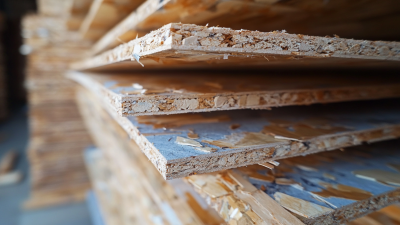
Creative Use of OSB Sterling Board for Aesthetic Facades in Commercial Buildings

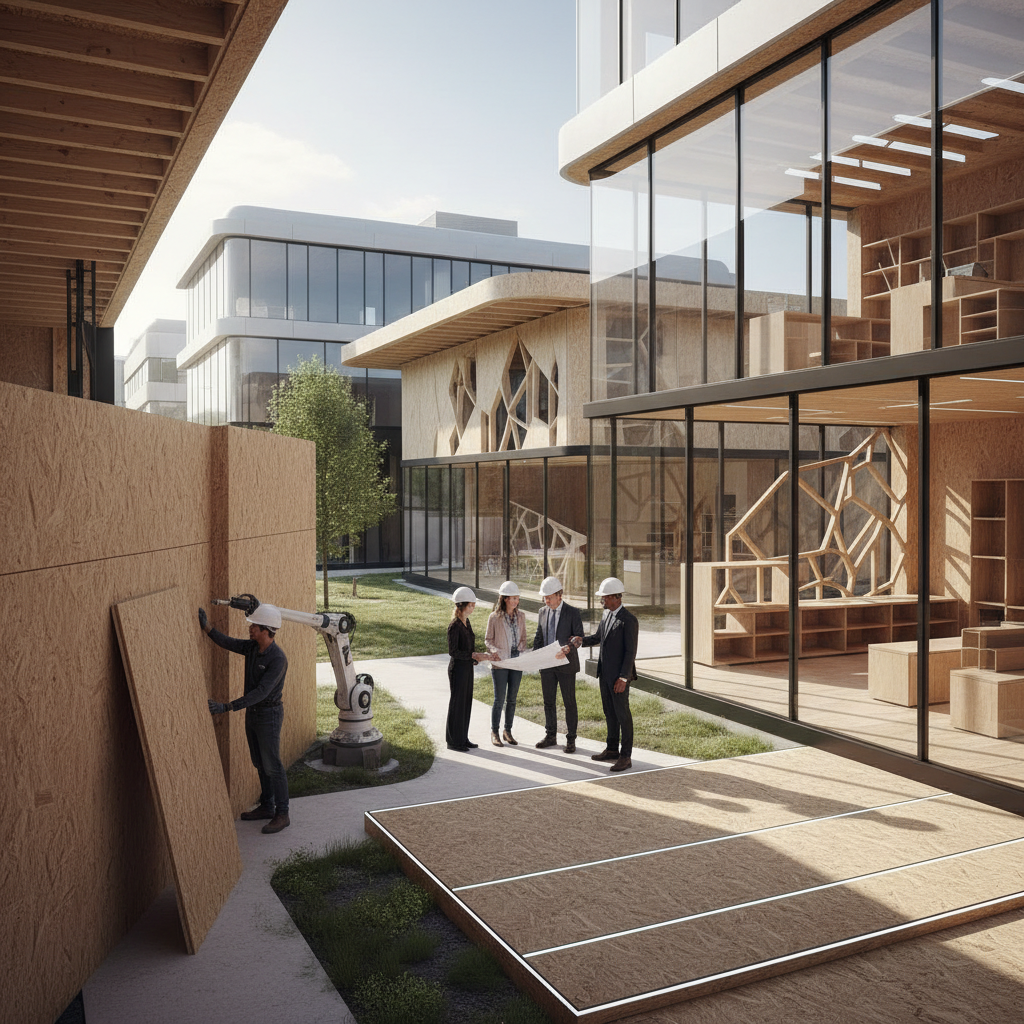
As construction trends evolve, the aesthetic potential of OSB Sterling Board is becoming increasingly prominent, particularly in commercial buildings. One standout application is the use of SterlingOSB Zero feature walls, which combine both style and practicality. Architects are turning to this innovative material not only for its cost-effectiveness but also for its ability to deliver a striking visual impact. The ability to create a compact yet stylish office space highlights OSB's versatility in modern designs, showcasing creative possibilities for façade designs.

When incorporating OSB Sterling Board into your project, consider these tips: First, think about how the texture and finish of OSB can complement other materials in your design. Mixing it with glass or metal can create a unique contrast. Second, pay attention to the color options available for OSB; customizing the hue can enhance the overall aesthetic and match your brand identity. Lastly, ensure the installation process allows for flexibility in future design changes, enabling adaptability as trends evolve.

Using OSB Sterling Board for feature walls is a bold choice that brings personality and flair to commercial spaces, pushing the boundaries of traditional design while demonstrating sustainability in construction practices.

Revolutionizing Interior Design: OSB Sterling Board as a Trendy Element

In 2025, the construction industry continues to embrace innovative materials, with OSB Sterling Board emerging as a key player in revolutionizing interior design. This versatile engineered wood product is not only cost-effective but also offers excellent strength-to-weight ratio, making it ideal for various applications. According to a report by Market Research Future, the OSB market is expected to grow at a CAGR of 6.2% from 2023 to 2028, driven by the increasing demand for sustainable building materials. Designers are now leveraging OSB Sterling Board to create stunning and functional spaces that resonate with modern aesthetics.

Interior designers are increasingly utilizing OSB Sterling Board to craft unique wall finishes, furniture, and decorative elements that offer an industrial yet chic vibe. The board’s natural texture and finish allow for a range of creative applications, from rustic looks to contemporary styles. A survey conducted by the American Institute of Architects revealed that over 65% of designers considered OSB an appealing option for interior projects, particularly for its eco-friendly properties and ease of use. As sustainability becomes paramount, OSB Sterling Board is solidifying its place as a trendy element in contemporary interior design, catering to both functional and aesthetic needs.

OSB Sterling Board in Modular Construction: Enhancing Efficiency and Flexibility

Top 10 Innovative Uses of OSB Sterling Board in 2025 Construction Projects

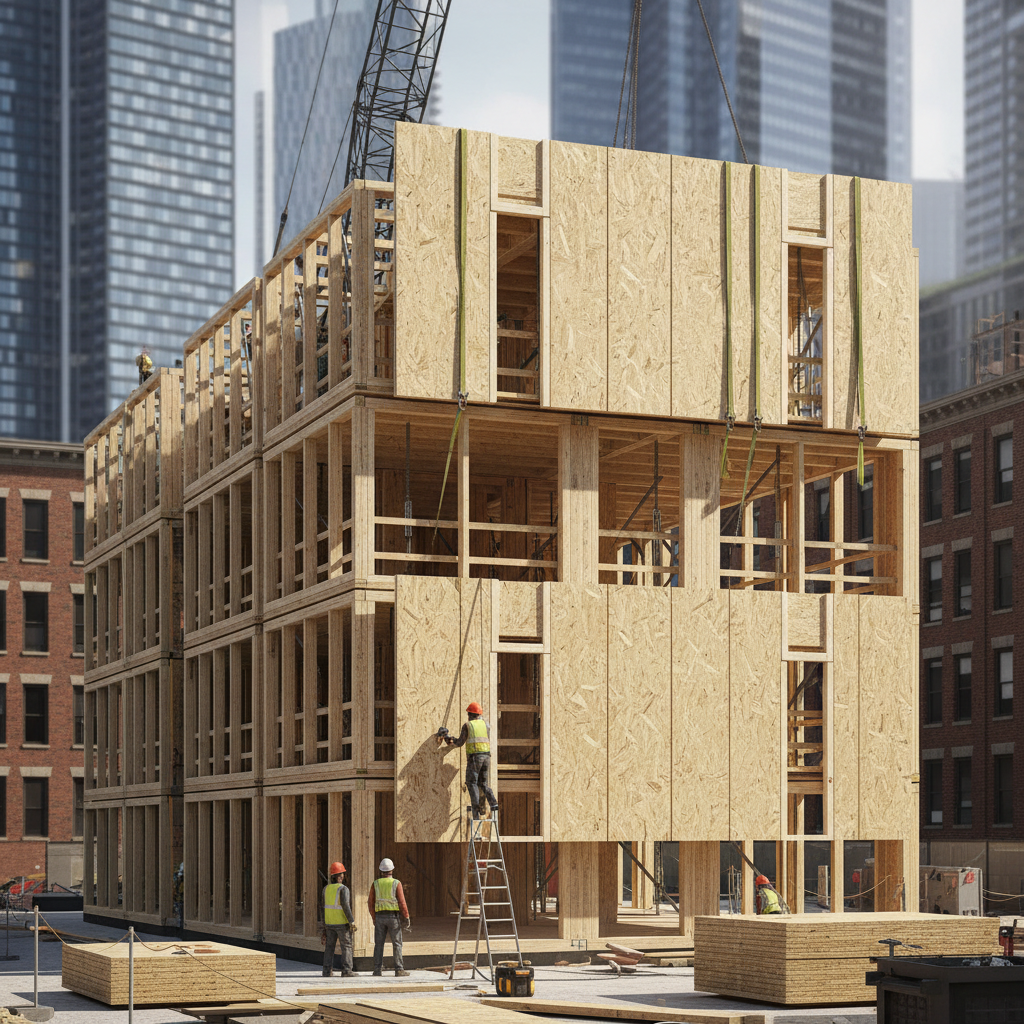
In the evolving landscape of modular construction, OSB Sterling Board has emerged as a pivotal material, revolutionizing how projects are designed and executed. Its lightweight yet robust nature allows for rapid assembly and disassembly, catering to the growing demand for efficient building techniques. This flexibility proves advantageous in urban settings, where space and time constraints often challenge traditional construction methods. By utilizing OSB Sterling Board, builders can significantly reduce on-site labor, streamline logistics, and minimize waste, thus enhancing overall project efficiency.

Furthermore, the innovative applications of OSB Sterling Board are redefining the parameters of modular design. Its adaptability enables architects and engineers to create versatile structures that can easily be modified or expanded in response to changing needs. This is particularly beneficial in adapting to different climates or functional requirements, as the board's durability and structural integrity offer peace of mind for long-term use. The integration of OSB Sterling Board not only promotes sustainable practices by reducing material consumption but also encourages creativity in architectural forms, making it a key player in the future of construction.

Eco-Friendly Landscaping Solutions: Utilizing OSB Sterling Board in Outdoor Projects

OSB Sterling Board has emerged as a game-changer in eco-friendly landscaping solutions, particularly in outdoor construction projects for 2025. With an increasing focus on sustainability, the demand for materials that reduce environmental impact has grown significantly. According to a recent report from the Sustainable Forestry Initiative, construction using engineered wood products like OSB can lower carbon emissions by up to 30% compared to traditional materials. This makes OSB Sterling Board an ideal choice for environmentally conscious developers and contractors looking to create beautiful landscapes while adhering to green building practices.

The versatility of OSB Sterling Board enables innovative applications in outdoor projects, from garden beds to patio structures. Its durable and water-resistant properties make it suitable for various landscapes, allowing for longevity and reduced maintenance costs. Industry surveys indicate that over 65% of landscapers are now incorporating sustainable materials into their designs, with OSB at the forefront of this trend. As urban areas increasingly prioritize green spaces, utilizing OSB Sterling Board not only supports aesthetic value but also promotes ecological benefits—making it a responsible choice for future construction initiatives.

Top 10 Innovative Uses of OSB Sterling Board in 2025 Construction Projects
Use Case Description Eco-Friendly Benefits Cost Efficiency
Garden Sheds Constructing durable and stylish garden storage solutions. Made from recycled materials; sustainable. Lower material costs compared to traditional wood.
Raised Garden Beds Creating elevated planting areas for ease of gardening. Reduces soil compaction; promotes organic gardening. Affordable alternative to cedar and recycled wood.
Outdoor Furniture Building unique, weather-resistant outdoor seating and tables. Utilizes waste wood fibers; minimizes deforestation. Cost-effective production methods.
Planters Designing decorative and functional plant containers. Encourages urban greening; enhances biodiversity. Low-cost production and minimal waste.
Fencing Creating boundary and decorative fences for properties. Reduces environmental impact; reusable materials. Economical compared to traditional fencing options.
Compost Bins Building efficient compost systems for organic waste recycling. Supports waste reduction and encourages recycling. Inexpensive alternative to plastic compost bins.
Decking Constructing durable and eco-friendly decking solutions. Sustainable; reduces reliance on tropical woods. Cost-efficient compared to traditional decking materials.
Outdoor Fire Pits Creating social gathering spots with fire-safe materials. Uses recycled materials; promotes outdoor activities. Budget-friendly option with high aesthetic value.
Playground Equipment Designing safe, fun structures for children's play areas. Encourages outdoor play; safe and sustainable. Affordable choice for schools and parks.
Pathways Creating innovative and attractive walking paths. Enhances landscape aesthetics; eco-friendly sourcing. Cost-effective compared to traditional stone paths.