Why Concrete Plywood is the Best Choice for Your Construction Projects
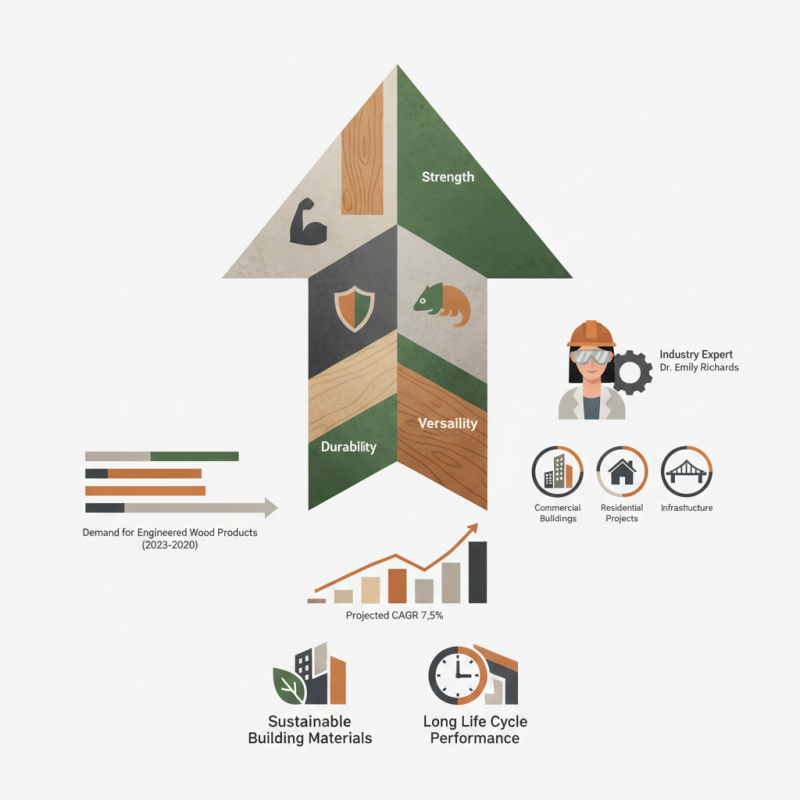
Concrete Plywood has emerged as a game-changer in the construction industry, garnering attention for its remarkable strength, durability, and versatility. According to the Global Plywood Market Report 2023, the demand for engineered wood products, including Concrete Plywood, has seen a significant rise, projected to grow at a compound annual growth rate (CAGR) of 7.5% through 2030. This remarkable growth is driven by the increasing need for sustainable building materials that offer both efficiency and resilience.
Industry expert Dr. Emily Richards, a leading authority on construction materials, remarked, "Concrete Plywood represents a shift towards a more sustainable and effective approach in construction, blending the benefits of traditional plywood with the robustness of concrete." This innovative material not only enhances structural integrity but also provides impressive weather resistance and life cycle performance, making it an ideal choice for a variety of construction applications—from commercial buildings to residential projects.
As construction practices evolve and the demand for sustainable materials increases, Concrete Plywood stands at the forefront of this evolution, promising to redefine standards and push the boundaries of what contemporary construction can achieve. Selecting Concrete Plywood for your projects is not just a choice; it is an investment in quality, sustainability, and longevity.
Advantages of Concrete Plywood in Construction Projects
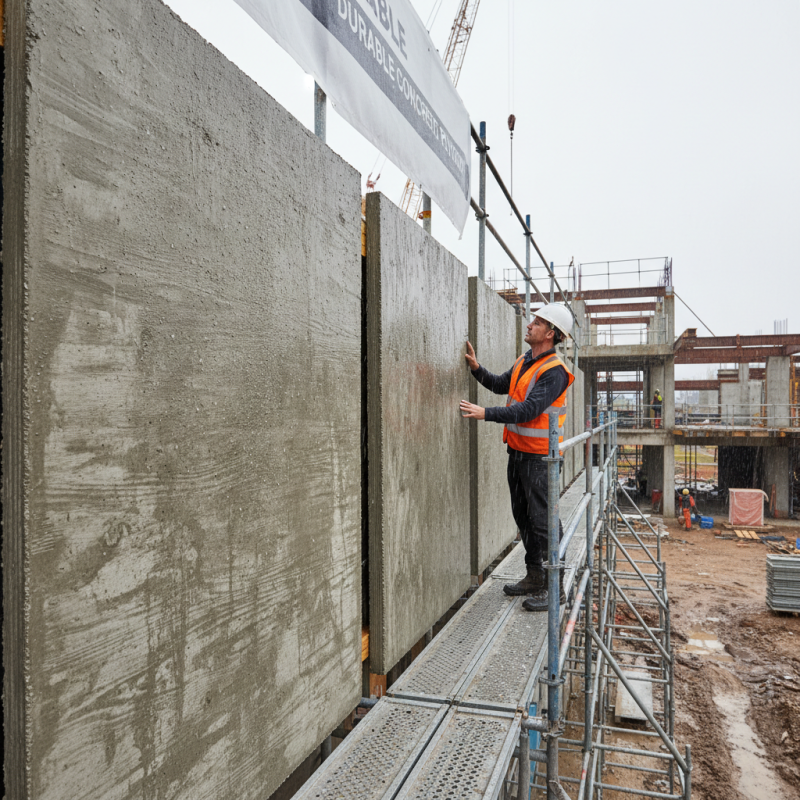
Concrete plywood has emerged as a top choice for construction projects, offering a plethora of advantages. One of the standout benefits is its exceptional durability. Unlike traditional wood plywood, concrete plywood is engineered to withstand harsh weather conditions, making it ideal for both indoor and outdoor applications. This resilience not only extends the lifespan of construction projects but also reduces the frequency and cost of repairs, leading to significant long-term savings.
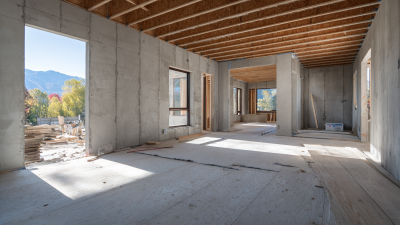
In addition to durability, concrete plywood is also highly versatile. It can be used in a variety of structural applications, from walls and roofs to flooring systems. Its compatibility with different architectural designs allows for greater creativity in construction, enabling builders to achieve complex shapes and structures without compromising strength. Furthermore, concrete plywood is resistant to pests and fire, which enhances safety and reduces maintenance in comparison to conventional wood options. Overall, its robust features make concrete plywood an invaluable asset in modern construction practices.
Comparative Analysis: Concrete Plywood vs. Traditional Materials
Concrete plywood has become a prominent alternative to traditional construction materials due to its unique properties and benefits. When comparing concrete plywood to conventional materials, the former demonstrates its strength and durability, making it an ideal choice for various construction projects. Unlike traditional materials, concrete plywood is less susceptible to environmental factors, which prolongs its lifespan and enhances overall structural integrity. As the construction industry explores innovative materials, concrete plywood shows promise in reducing dependency on conventional options while addressing cost and sustainability concerns.
Tips: Consider incorporating concrete plywood in your next project to capitalize on its strength and longevity. Conduct a thorough analysis of your project's specific needs and evaluate the potential carbon footprint reduction when opting for these modern materials.
Moreover, recent studies indicate a growing awareness of the embodied carbon associated with traditional building materials. As the market evolves, alternatives like concrete plywood may offer not only cost benefits but also improved environmental performance. Adapting to these innovations can position your construction project at the forefront of sustainability trends.
Tips: Stay informed about the latest developments in construction materials to make well-informed decisions that benefit both your budget and the environment. Transitioning to more sustainable options can significantly impact your project's overall efficiency and appeal.
Durability and Longevity of Concrete Plywood in Various Environments
Concrete plywood, also known for its durability and longevity, has become a preferred material in construction projects exposed to diverse environmental challenges. The inherent properties of this material allow it to withstand moisture, extreme temperatures, and physical wear. According to a report by the American Society of Civil Engineers, structures utilizing concrete plywood can experience a lifespan increase of up to 25% compared to traditional plywood in similar conditions. This extended lifespan is attributed to the waterproofing and enhanced structural integrity that concrete provides, making it an optimal choice for high-demand applications.
Furthermore, research from the Forest Products Laboratory highlights that concrete plywood maintains its performance characteristics in both humid and dry environments. This versatility is crucial for construction projects that span multiple climates or are subject to varying weather conditions. The composite nature of concrete plywood means it is less susceptible to rot, warping, and mechanical damage, which can significantly reduce maintenance costs over time. With the construction industry increasingly focused on sustainability and cost-effectiveness, the long-lasting attributes of concrete plywood render it an exceptional investment.
Applications of Concrete Plywood in Modern Construction Techniques
Concrete plywood has emerged as a vital material in modern construction techniques due to its versatility and strength. Primarily used in formwork for concrete, this durable plywood variant excels in both residential and commercial applications. According to a report by the Global Construction Industry, the demand for concrete plywood has surged by 15% annually, driven by the rising need for efficient construction solutions and sustainability. Its ability to withstand harsh weather conditions makes it ideal for use in various climates, facilitating construction projects that require robust structural support.
Tip: When selecting concrete plywood for your project, ensure you opt for high-quality products that meet industry standards. This not only enhances the durability of your construction but also ensures compliance with building regulations.
In addition to traditional uses, concrete plywood is increasingly being integrated into innovative design concepts such as architectural facades and interior design elements. Its aesthetic appeal, combined with practicality, allows architects to achieve stunning visual effects while maintaining structural integrity. A recent study highlighted that around 30% of new buildings incorporate concrete plywood in their design, showcasing its growing popularity among modern builders and architects.
Tip: Consider exploring reclaimed or sustainably sourced concrete plywood options to reduce your project's environmental footprint while still benefiting from this material's outstanding properties.
Cost-Effectiveness of Using Concrete Plywood for Builders and Contractors
Concrete plywood, also known as concrete formwork, offers significant cost-effectiveness for builders and contractors, making it an ideal choice for construction projects. According to a report by the Global Construction and Material Market, the use of concrete plywood can reduce labor costs by up to 30% due to its ease of installation and removal. Its lightweight design facilitates faster handling and transportation, ultimately reducing the overall project timeline and associated costs.
Moreover, the longevity of concrete plywood enhances its cost-effectiveness. Industry studies reveal that concrete plywood can withstand exposure to moisture and harsh conditions for several years without deterioration, minimizing the need for frequent replacements. This durability leads to lower lifecycle costs compared to traditional materials. Builders reported making savings of nearly 20% on material procurement over time when using concrete plywood, as highlighted in a recent survey conducted by the Construction Industry Institute. With these financial advantages, it’s clear that concrete plywood is a smart investment for those in the construction industry.
Cost-Effectiveness of Concrete Plywood in Construction Projects
As illustrated in the chart, Concrete Plywood is more cost-effective compared to other materials like traditional Plywood, OSB, and Solid Wood, making it a preferable choice for construction projects.