How to Choose the Right Formwork Plywood for Your Project?
Choosing the right formwork plywood is crucial for the success of any construction project. The market for formwork materials has seen a growth rate of about 5% annually, according to recent industry reports. This increase highlights the importance of selecting high-quality formwork plywood to ensure structural integrity and cost-effectiveness.
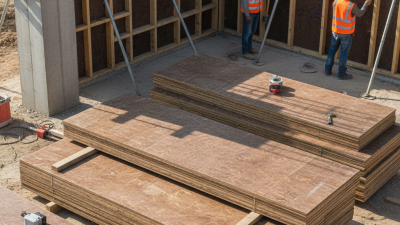
Formwork plywood is a key component in shaping concrete structures. It must withstand high pressure and support heavy loads while maintaining its shape throughout the curing process. Experts recommend materials that comply with industry standards, such as those listed by the American Plywood Association. Durability is paramount; subpar plywood can lead to project delays and increased costs.
While options abound, the choice often presents a dilemma. Local availability, quality, and pricing influence decisions. Not every supplier provides reliable products. It's critical to conduct thorough evaluations and consult industry professionals. Understanding the strengths and weaknesses of various plywood types can lead to better outcomes. A thoughtful selection process can mitigate risks, ensuring a smoother construction journey.
Understanding Formwork Plywood: Key Characteristics and Types
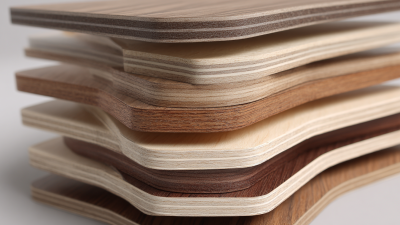
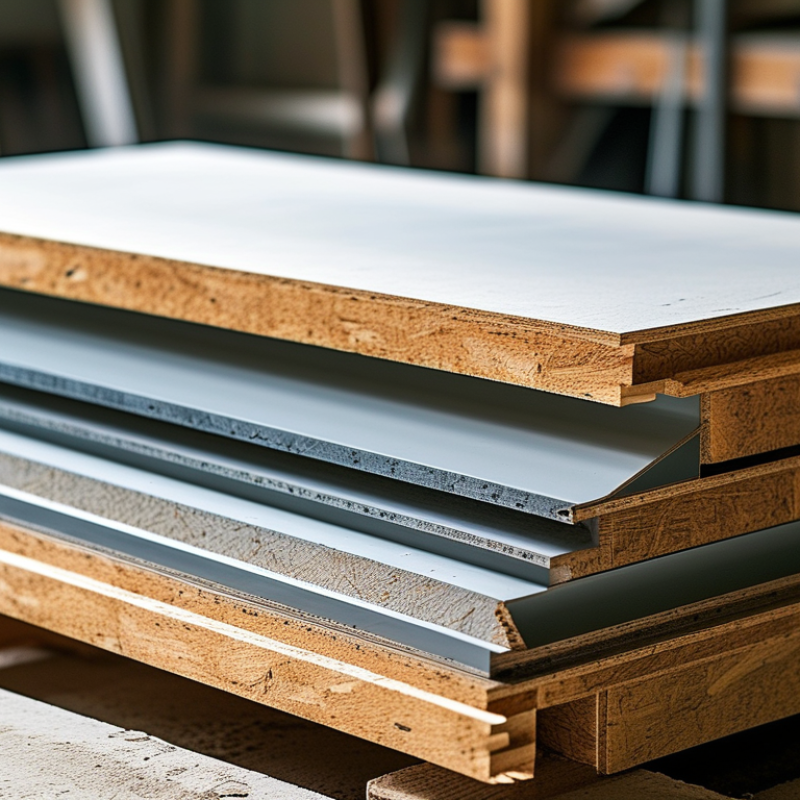
Understanding formwork plywood is essential for construction projects. It plays a critical role in shaping concrete structures. Different types have unique characteristics, making it vital to choose the right one.
Common types includeластышд plywood, hardwood, and marine plywood. Each type serves specific needs. For example, marine plywood resists moisture better than others. It’s suitable for damp environments. However, selecting it can lead to higher costs. In contrast, softwood plywood is more economical but may not hold up as well.
Tips: Assess the environmental conditions of your project. Moisture and weather can vastly influence your choice. Consider durability and strength. Plywood should withstand pressure and last without warping. Choosing the wrong type can result in increased repair costs. Always consult experts for insights on materials suitable for your specific needs.
Assessing Project Requirements: Load, Duration, and Environment Factors
When selecting formwork plywood, understanding your project requirements is crucial. Load-bearing capacity is one of the most significant factors. Determine how much weight the plywood must support. For instance, heavier concrete mixes necessitate stronger plywood. It's advisable to consult with a structural engineer if you're unsure about weight limits.
Duration is another key consideration. If the plywood will be used for a short-term project, you may not need the highest grade. However, for long-term applications, investing in durable, moisture-resistant plywood is essential. Moisture can warp and weaken plywood over time, which impacts structural integrity.
Tips: Always check the environmental conditions as well. If your project is outdoors, ensure the plywood can withstand exposure to elements. A waterproof film may be necessary. Remember to factor in local climate as well. Adverse weather can shorten the lifespan of inferior plywood. Consider seeking advice from experts knowledgeable about your specific environmental conditions for tailored solutions.
How to Choose the Right Formwork Plywood for Your Project?
| Criteria |
Description |
Recommended Options |
| Load Capacity |
Determine the expected load that the formwork will bear, including concrete weight and additional loads. |
BWP (Bamboo Plywood) for high load, Marine Plywood for moderate loads. |
| Duration of Use |
Assess how long the formwork will be in place. Longer durations may require higher durability. |
Phenolic Laminated Plywood for extended use, Standard Plywood for short-term projects. |
| Environmental Conditions |
Consider moisture, temperature, and exposure to elements that would affect the plywood. |
Weather-resistant Plywood for outdoor use, Regular Plywood for indoor projects. |
| Cost |
Budget constraints can impact the choice of materials. |
Standard Grade Plywood for budget-friendly options, High-Grade Plywood for premium choices. |
| Finish Quality |
Desired finish for the concrete surface can influence the type of plywood. |
Smooth Finish Plywood for high-quality surfaces, Textured Finish for non-visible forms. |
Evaluating Plywood Quality: Grading, Durability, and Treatment Options
Choosing the right plywood for your formwork project requires careful evaluation. Focus on grading, durability, and treatment options. Plywood grades indicate quality. Higher grades, such as A or B, offer fewer defects. If you encounter lower grades, like C or D, be prepared for imperfections. Such issues may affect overall performance.
Durability is vital for construction. Water-resistant plywood can withstand moisture. However, it can still warp over time. Be cautious of environmental factors. Extreme heat or heavy rain can compromise its integrity. Think about your project’s specific conditions.
Consider treatment options as well. Treatments enhance longevity. Pressure treatment helps prevent decay. Outdoor projects especially benefit from this. If the plywood lacks proper treatment, its lifespan may shorten. Reflect on your needs. Choosing the right formwork plywood is more complex than it seems. Each detail matters.
Cost Considerations: Budgeting for Formwork Plywood Selection
When budgeting for formwork plywood, it's crucial to understand your project's specific needs. The cost of plywood can vary significantly based on its type and quality. For example, grade A plywood can be up to three times more expensive than grade C. A recent industry report found that proper selection can save up to 15% on overall material costs. This highlights the importance of making informed decisions.
Tips: Always consider the project scale. Larger projects might benefit from bulk purchasing discounts. The thickness and water resistance of plywood influence durability and lifespan, impacting your budget long-term. Research shows that investing in high-quality plywood can reduce rework and labor costs, a significant factor often overlooked in budgeting.
Plywood costs also fluctuate with market trends. Timber shortages can drive prices higher, so staying updated on the industry is vital. This can affect project timelines and financial planning. Re-evaluate your sources regularly. While cheaper options may seem attractive, they might lead to increased repair costs. An assessment of total cost factors can lead to smarter choices overall.
Sourcing and Suppliers: Finding the Right Providers for Your Needs
When considering sourcing formwork plywood for your project, start with identifying reliable suppliers. Look for companies that specialize in construction materials. Researching their background can reveal their experience and reputation. Read online reviews and industry feedback. This will help you gauge their credibility and reliability.
Don't hesitate to visit local suppliers. This allows you to examine physical samples before making a decision. Engaging with suppliers directly can also provide insights into their service and expertise. Discuss your project needs with them. This two-way conversation can highlight any gaps in the materials they provide.
Be careful with pricing. The cheapest option may not always be the best choice. It’s essential to assess the quality and durability of the plywood. Sometimes, higher upfront costs save you from future issues. Additionally, think about delivery timelines. Late or incomplete shipments can stall your project. Make sure your chosen supplier can meet your schedule consistently.
Formwork Plywood Types and Their Applications