Top 10 Tips for Choosing the Best Film Faced Plywood
Choosing the right Film Faced Plywood can significantly impact construction projects. According to industry expert John Smith, “Quality in Film Faced Plywood is non-negotiable for longevity and strength.” His insights reflect the importance of making informed choices.
In the competitive market of Film Faced Plywood, not all products are created equal. It is crucial to assess factors like durability and moisture resistance. Understanding these elements helps in selecting plywood that withstands varying conditions. The right choice can enhance your project's longevity.
However, not every option on the market meets these high standards. Many products may promise quality but fall short in real-world applications. This reality urges consumers to critically evaluate their selections. Focus on the best practices in the industry to ensure your investment is worthwhile.
Understanding Film Faced Plywood: Features and Benefits
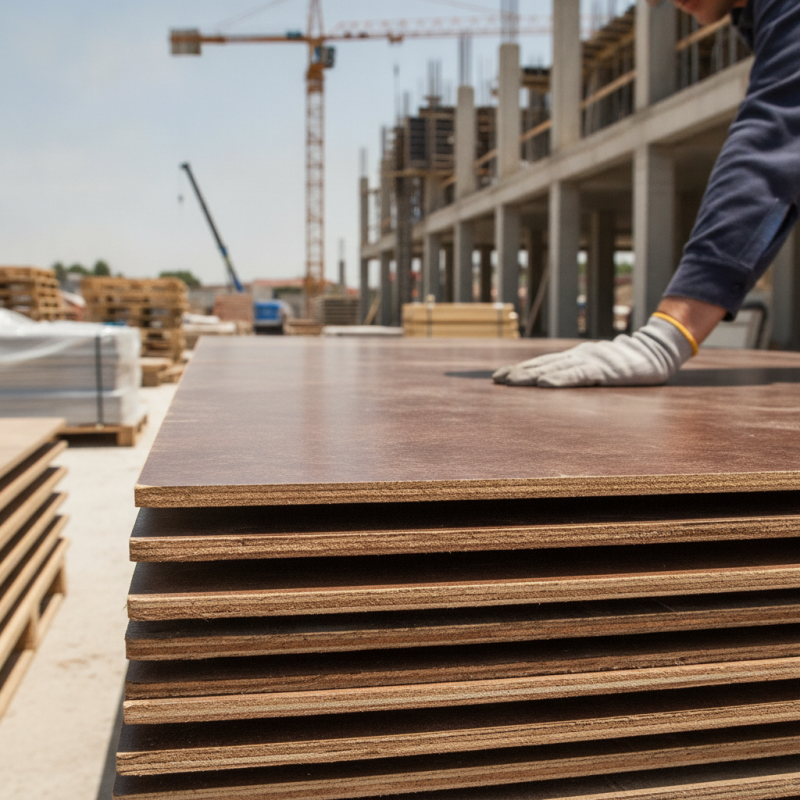
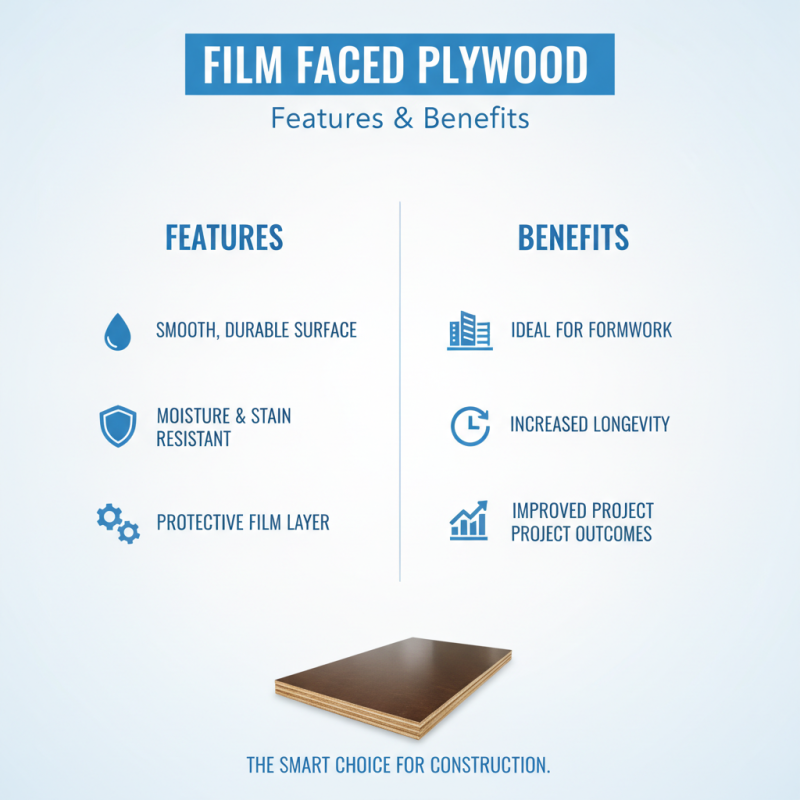
Film faced plywood is widely used in construction and various applications. It features a smooth, durable surface that resists moisture. This makes it ideal for formwork and other temporary structures. The film layer provides protection from water and stains, ensuring longevity. Choosing the right film faced plywood can significantly impact project outcomes.
When selecting film faced plywood, consider its thickness. Thicker panels typically offer more strength and durability. Also, look for plywood with a high-quality film that resists scratches and wear. Not every product on the market meets these standards, so it is crucial to check specifications and certifications. Remember to evaluate the wood core, as a solid core can enhance overall stability.
It’s wise to assess environmental factors. Some plywood options are specifically designed for exposure to harsh weather. Understanding your project's requirements helps in making informed choices. Note that some lower-quality products might not perform as expected. Researching reviews and seeking expert advice can aid in spotting potential issues before purchase.
Identifying Quality: Key Characteristics of Film Faced Plywood
When selecting film faced plywood, identifying quality is essential. Various characteristics distinguish high-quality products from inferior alternatives. Durable plywood typically has a core made from strong materials like high-density fiberboard or plywood layers that ensure stability. According to industry reports, quality film faced plywood has a moisture content below 15%, which enhances its longevity.
Pay attention to the surface finish. A smooth, even surface will enhance durability and resistance to wear. It also affects aesthetics in construction and design projects. Look for products with a cohesive and uniform film. An inconsistent surface may lead to peeling or warping over time, decreasing the product's lifespan.
Another tip involves assessing adhesives used in the plywood. High-quality options utilize waterproof adhesives that meet standards like EN 13986 or other certified regulations. These adhesives improve the plywood's overall strength and performance. Remember, the slightest difference in material or construction can significantly impact the final product. These details may appear minor but can alter long-term durability and cost-effectiveness. Prioritizing these factors will lead to a more successful project outcome.
Top 10 Tips for Choosing the Best Film Faced Plywood
Evaluating Types: Different Grades of Film Faced Plywood
When selecting film faced plywood, understanding its different grades is crucial. Film faced plywood typically comes in various grades that determine its quality and suitability for specific projects. For instance, Grade A sheets offer a smooth surface and minimal defects, making them ideal for high-end applications. Grade B has a few more imperfections, yet maintains good strength and durability for construction purposes.
Choosing the right grade depends on the intended use. Construction projects that require waterproof surfaces may benefit from higher grades with better film quality. On the other hand, lower grades might suffice for temporary uses or internal structures where aesthetics are less critical. There are also varying thicknesses to consider, as thicker sheets provide enhanced durability but can be heavier and more expensive.
Not all suppliers consistently adhere to grading standards, which can be frustrating. It's wise to ask for samples or inspect sheets before purchasing. Look for visual inconsistencies and assess the quality of the film coating. This evaluation can reveal the plywood's longevity and performance in real-world conditions. Sometimes the best choice may come down to a balance between quality and budget constraints.
Assessing Sustainability: Eco-Friendly Options in Film Faced Plywood
When it comes to choosing film faced plywood, sustainability should be a top priority. Many options on the market come from renewable resources. Forest certifications, like FSC, provide assurance that the wood is harvested responsibly. Look for products that use eco-friendly adhesives, reducing harmful emissions. These materials not only meet construction standards but also contribute positively to the environment.
It's important to note that not all film faced plywood is created equal. Some products may promise sustainability but fall short during production. Manufacturers that prioritize eco-friendly practices often share details about their sourcing and processing. Transparency is crucial. Consumers should question whether the plywood is treated with chemicals or coatings that could impact recyclability. Investigating these aspects helps ensure informed choices for projects aiming for environmental responsibility.
Top 10 Tips for Choosing the Best Film Faced Plywood - Assessing Sustainability: Eco-Friendly Options in Film Faced Plywood
| Criterion |
Description |
Eco-Friendly Rating |
| Material Source |
Sourced from sustainably managed forests |
High |
| Adhesive Type |
Low formaldehyde emissions |
High |
| Production Process |
Environmentally friendly production methods |
Medium |
| Certification |
Certified by FSC or PEFC |
High |
| Recycling Options |
Easily recyclable at the end of its life |
High |
| Durability |
Weather and water-resistant |
Medium |
| Fire Resistance |
Meets fire safety standards |
Medium |
| Form Factor |
Available in various thicknesses and sizes |
N/A |
| Cost |
Price considerations based on eco-friendliness |
Medium |
| Supplier Transparency |
Clear information on sourcing and processes |
High |
Cost Considerations: Budgeting for Film Faced Plywood Purchases
When budgeting for film faced plywood, understanding costs is crucial. The price can vary based on quality and thickness. You should consider the long-term value of your purchase. Higher-quality plywood may seem expensive initially, but it often saves money over time due to durability. Always analyze the specific requirements of your project. Often, a lower price comes with trade-offs in quality.
Research the average market rates. Check different suppliers to ensure fair pricing. Don’t forget to factor in shipping costs. Sometimes, these costs can make a cheaper product more expensive overall. Consider the size of the sheets you need. Custom sizes may increase your budget significantly.
Reflect on your previous projects. Have you regretted lower quality options? Investment in higher-grade plywood could enhance your craftsmanship. Always revisit your needs and assess whether the cheaper option meets your expectations. Quality materials can result in fewer repairs and longer-lasting results.