2026 How to Choose Osb Tongue And Groove Panels for Your Projects?
Choosing the right materials for construction and renovation is crucial. In the context of "OSB Tongue and Groove," these panels provide a reliable option. According to a report by the Building Materials Research Institute, OSB products have shown a consistent market growth of 7% annually. This data highlights their increasing popularity.
Industry expert John Matthews once stated, "OSB Tongue and Groove panels combine versatility and strength, making them ideal for various applications." His insight reflects the balance of utility and durability these panels offer. However, selecting the appropriate OSB Tongue and Groove can be challenging due to the variety of options available.
It's essential to consider the specific project requirements. Factors like thickness, grade, and environmental conditions greatly affect performance. There are improvements in production techniques, but consumers still face confusion. Many overlook crucial details, which can lead to structural issues later. Choosing wisely requires expertise and consideration of the specific use case.
Choosing the Right OSB Tongue and Groove Panels: An Overview
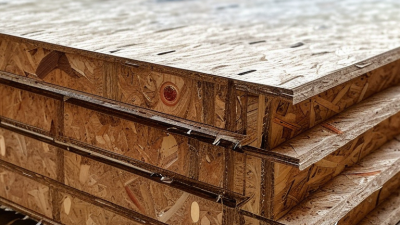
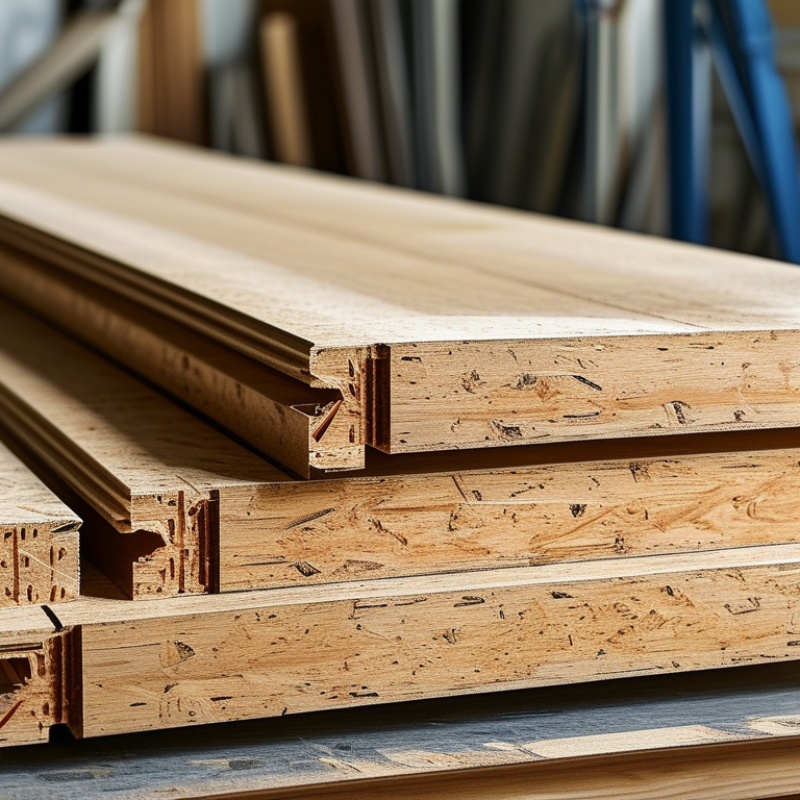
When choosing OSB tongue and groove panels for your projects, consider a few key factors to ensure optimal results. The thickness and density of the panels play a significant role in their strength and stability. Thicker panels tend to provide better durability, making them ideal for high-traffic areas. Pay attention to the edge profile as well; a precise tongue and groove fit can minimize gaps and improve overall appearance.
Tips: Check for certifications indicating the panel's environmental impact. Sustainable sources can enhance your project’s appeal. Also, inspect the panels for any defects before purchasing. Small flaws can lead to bigger issues later.
Another important aspect is moisture resistance. Some projects may require panels that can withstand high humidity. Understand the location and intended use of your panels. This knowledge helps in selecting the most appropriate type.
Tips: Store panels in a dry area prior to installation. This care can prevent warping and enhance performance. Comb through customer feedback on various options to gauge reliability.
Understanding OSB Panel Specifications and Grades for Your Project
When selecting OSB tongue and groove panels, understanding their specifications and grades is crucial. These panels are often categorized based on their intended use, structural performance, and moisture resistance. The APA (Engineered Wood Association) indicates that OSB panels can have specific grades like GS and PS, each with different load capacities and moisture resilience. The GS grade is suitable for structural applications, while the PS grade is often used in non-structural situations.
Examining the thickness and density of the OSB panels can also impact your project's success. Standard dimensions range from 7/16 inches to 1 inch in thickness. Thicker panels provide better structural integrity but can be heavier and more difficult to install. A data report from the Forest Products Laboratory shows that OSB can outperform plywood in shear strength, making it a preferable choice for specific structural applications.
However, there's room for improvement in sourcing OSB products. Some manufacturers may not fully disclose the environmental impact of their production processes. It’s essential to seek certifications and verify claims about sustainability. Checking for third-party testing could provide insights into the panel's performance and reduce any uncertainty around the product quality. Remember to reflect on these factors to make an informed choice for your project.
Assessing Environmental Factors for OSB Panel Durability and Longevity
When considering OSB tongue and groove panels for various projects, environmental factors play a crucial role in their durability and longevity. OSB panels are engineered wood products made from strands of wood, bonded together with adhesives. Their performance is highly influenced by moisture, temperature variations, and exposure to pests. According to the APA – The Engineered Wood Association, proper sealing can enhance OSB's performance, leading to a lifespan of over 30 years in ideal conditions.
Moisture is one of the primary enemies of OSB. It can cause swelling, warping, and ultimately, failure. In areas with high humidity, choosing moisture-resistant OSB is essential. The U.S. Forest Products Laboratory recommends keeping OSB in controlled environments before installation. Additionally, maintaining adequate ventilation can prevent moisture buildup and extend the panel's lifespan.
Tips: Always store OSB panels flat and covered. This practice will prevent warping and other damage caused by direct moisture exposure.
Temperature swings can also affect OSB integrity. Extremes in temperature may lead to expansion and contraction. Using OSB in environments with stable temperatures can maximize their durability. Understanding the climate where the project will take place will guide you in making an informed decision. Consider consulting regional studies that discuss OSB performance in various conditions for detailed insights.
Tips: Research regional climate data. Matching your OSB selection to your local environment will lead to better outcomes.
Durability Ratings of OSB Tongue and Groove Panels
Evaluating Cost-Effectiveness: OSB Panels Compared to Alternatives
When evaluating cost-effectiveness, OSB (Oriented Strand Board) panels often stand out against alternatives like plywood and particleboard. According to a report from the Forest Products Laboratory, OSB panels can be 20-30% cheaper than plywood while offering similar structural integrity. This pricing makes OSB a popular choice for both construction and DIY projects.
Different materials serve varied purposes. While OSB has excellent weight-bearing capabilities, it may not perform as well in moisture-prone areas compared to plywood. This trade-off is crucial for project planning. Raw OSB panels can swell when exposed to humidity, affecting aesthetics and functionality. It’s important to weigh these factors when selecting materials.
Tip: Always consider the specific needs of your project. Assess the environment and expected wear for each material. For more complex builds, it might be wise to combine materials. For example, use OSB for structural elements and plywood for surfaces that require a smoother finish. Understanding your project’s demands will help in selecting the right materials effectively.
Installation Tips for OSB Tongue and Groove Panels to Maximize Performance
When installing OSB tongue and groove panels, attention to detail is crucial. Proper installation maximizes structural integrity and performance. According to the Structural Building Components Association, OSB panels are known for their high strength-to-weight ratio, making them ideal for various applications, including flooring and walls. However, improper installation can lead to issues like swelling and shrinkage.
Ensure your panels are acclimated to the environment before installation. The recommended acclimation period is 24 to 48 hours in a controlled environment. This practice reduces the risk of moisture-related problems. A study by the USDA Forest Products Laboratory found that 70% of OSB failures occur due to moisture issues during installation. Thus, limiting exposure to moisture is essential for long-lasting performance.
When fastening the panels, choose the right type and length of screws to avoid splitting. The general guideline is to space fasteners every 6 inches along the edges and every 12 inches in the field. This may seem excessive, but it reinforces the panel's strength. Achieving a tight fit is paramount; gaps can lead to structural weaknesses. Even small discrepancies can lead to larger issues down the line. Remember, cutting corners today could mean high costs later.
2026 How to Choose OSB Tongue And Groove Panels for Your Projects? - Installation Tips for OSB Tongue and Groove Panels to Maximize Performance
| Dimension |
Description |
Recommended Use |
Installation Tips |
| 4' x 8' |
Standard size for walls and roofs |
Sheathing for residential and commercial buildings |
Ensure proper spacing and use adhesive for better bond |
| 3/4" |
Thickness for added strength |
Subflooring in various structures |
Leave an expansion gap at edges to prevent buckling |
| 1/2" |
Good balance between weight and strength |
Interior walls and ceiling applications |
Use nails or screws, avoiding over-tightening |
| 19/32" |
Ideal for high-performance applications |
Heavy-duty flooring and paneling |
Pre-drill holes to reduce splitting |
| 1/4" |
Lightweight and versatile |
Underlayment for flooring projects |
Keep the surface dry to prevent warping |