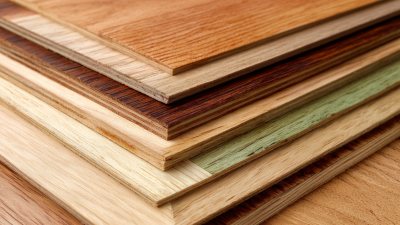
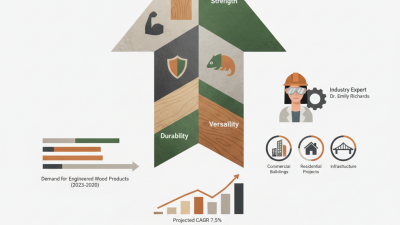
Why Choose Flooring Plywood for Your Next Project?
Flooring Plywood has become a staple in modern construction and interior design. Industry expert Sarah Thompson, a renowned architect, states, “The strength and versatility of Flooring Plywood make it a top choice for builders.” This material not only offers durability but also supports sustainable practices.
Using Flooring Plywood can enhance the aesthetic appeal of any space. Its layered structure provides stability and reduces the risk of warping. Homeowners appreciate the range of finishes available, allowing for creativity and personalization in projects. In addition, it is often seen as a more cost-effective solution compared to traditional hardwood.
However, the selection process is not without challenges. Not all Flooring Plywood is created equal. Differentiating between high-quality and inferior products can be daunting. Some options may not hold up well under pressure. This underscores the importance of careful sourcing and expert advice. Ultimately, choosing the right type of Flooring Plywood requires thoughtful consideration and knowledge.
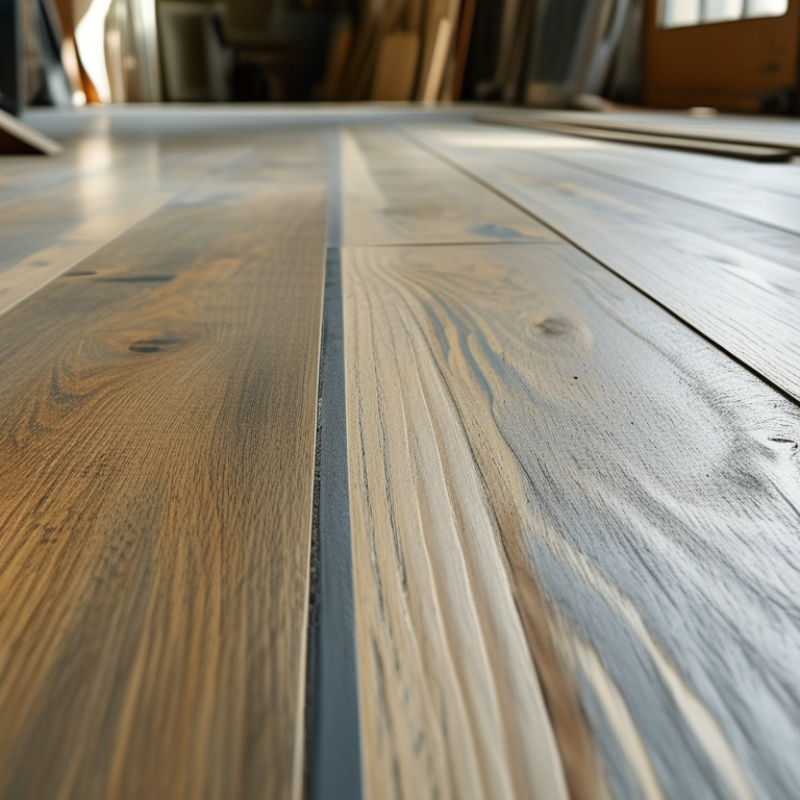
Benefits of Choosing Plywood Flooring Over Traditional Options
When considering flooring options,
plywood stands out for several reasons.
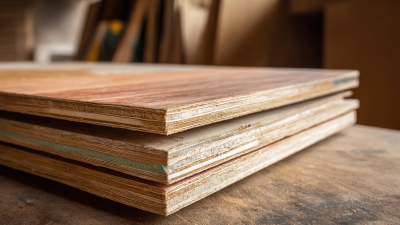
Its strength is one key advantage. Plywood is made from layers of wood veneer, which creates a sturdy structure. This durability makes it suitable for high-traffic areas. Scratches and dents can be less visible on plywood compared to traditional hardwood or laminate.
Another benefit of plywood flooring is its environmental impact. Many plywood options are made from sustainably sourced materials. This can reduce the carbon footprint of your renovation. Unlike other flooring types, plywood is often easier to recycle at the end of its life cycle. This is significant in promoting eco-friendly practices.
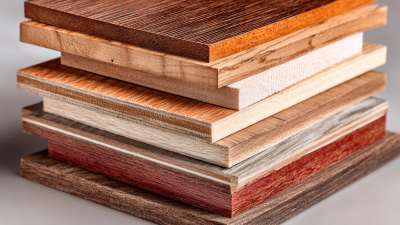
Finally, plywood offers aesthetic versatility. The variety in wood finishes and colors allows homeowners to achieve a customized look. However, it's essential to choose the right quality, as cheaper options may warp over time. Taking time to research and select high-quality plywood can make all the difference in longevity and appearance.
Key Specifications and Grades of Flooring Plywood Explained
When considering flooring options, plywood is a compelling choice. It's not just about aesthetics; understanding the specifications and grades of flooring plywood is crucial. The key lies in selecting the right type based on the project needs.
Flooring plywood typically comes in various grades, which determine quality and suitability. For instance, grades like AC and BC offer different balances of surface smoothness and strength. An AC grade features a smooth top surface, ideal for visible areas. Conversely, a BC grade may have some knots and imperfections, making it suitable for areas that are less visible.
Thickness is another critical specification. Common thicknesses range from 15mm to 25mm, impacting durability and load capacity. Choosing the appropriate thickness is essential to ensure the flooring withstands foot traffic and heavy furniture. Additionally, moisture resistance is vital, especially in humid regions. Not all plywood is equal, and some may warp when exposed to moisture. Understanding these factors will guide you to make informed decisions for your flooring project.
Why Choose Flooring Plywood for Your Next Project? - Key Specifications and Grades of Flooring Plywood Explained
| Grade |
Thickness (inches) |
Common Uses |
Moisture Resistance |
Cost Range (per sheet) |
| A |
3/4 |
Residential flooring, furniture |
Low moisture absorption |
$45 - $60 |
| B |
1/2 |
Sub-floors, sheathing |
Moderate moisture resistance |
$30 - $50 |
| C |
5/8 |
Temporary flooring, wall panels |
Low moisture resistance |
$20 - $35 |
| CDX |
3/4 |
Exterior applications, roofing |
High moisture resistance |
$25 - $40 |
Comparative Cost Analysis: Plywood Flooring vs. Alternatives
When considering flooring options, cost is a critical factor. Plywood flooring presents a viable choice compared to alternatives. The initial investment in plywood is often less than hardwood or tile. Plywood can be cheaper to install too, especially for large areas. Many homeowners find that this material offers a budget-friendly solution.
However, the value of plywood goes beyond its price tag. It is durable and resistant to wear, which can save money on replacements. Other flooring types may require frequent maintenance or even early replacement. The overall lifecycle cost of plywood is generally lower.
Some buyers may be hesitant due to perceptions about quality. Plywood's aesthetic can vary, and not all options are equal. Selecting a high-grade plywood can enhance the look of any space. It is essential to research the quality and characteristics of different plywood products. This step can prevent future regret. Balancing cost and quality is key in making the right decision.
Sustainability: The Environmental Impact of Plywood Flooring
Plywood flooring is increasingly recognized for its sustainability advantages. It's made from softwood and hardwood veneers, which results in minimal environmental impact. According to the Forest Stewardship Council, certified plywood is sourced from responsibly managed forests. This practice protects ecosystems while providing quality flooring options.
The environmental footprint of plywood flooring is lower than traditional hardwood floors. A study from the U.S. Department of Agriculture reveals that plywood can reduce the amount of harvested timber by over 50%. This makes it a preferable choice for eco-conscious consumers who want durable yet sustainable materials. The production process also generates less waste, making it an effective solution for reducing landfill burden.
However, challenges remain. Not all plywood is created equal; some manufacturers may use adhesives that release volatile organic compounds (VOCs). Research indicates that VOC emissions from certain products can affect indoor air quality. Consumers must choose certified plywood to ensure sustainable practices are followed. It's essential to weigh the benefits against potential drawbacks in the selection process.
Installation Techniques and Maintenance Tips for Plywood Flooring
Plywood is a popular choice for flooring due to its durability and aesthetic appeal. When installing plywood flooring, precise techniques ensure the longevity of your project. Begin by
acclimating plywood to the room's temperature and humidity for at least 48 hours. This reduces the risk of warping down the line. Use a professional-grade underlayment to support the plywood and enhance its lifespan.
Nailing or gluing the plywood can impact its performance. For residential spaces, the average thickness of 3/4 inch is often recommended. This thickness can carry heavy loads while resisting deflection. It's important to stagger joints to avoid weak points. According to industry reports, proper installation can increase the floor's lifespan by up to 30%.
Maintenance is essential for longevity. Regular cleaning with a soft broom or vacuum prevents debris buildup. Ideally, moisture should be kept to a minimum; excessive water can warp plywood. In fact, studies show that keeping relative humidity between 35%-55% can significantly reduce damage. Homeowners should also consider applying a sealant annually to protect against wear.