China Plywood Buying Tips for Quality and Value
When it comes to construction and furniture making, quality wood is essential. China plywood stands out as a popular choice. However, buying plywood in China can be tricky. Various suppliers and types of plywood are available. Each offers unique advantages and potential drawbacks.
Understanding the quality indicators of China plywood is crucial. Not all plywood is created equal. Generally, higher grades offer better durability. But sometimes, the price reflects quality inaccurately. Buyers may find themselves confused by the multitude of options. It isn't always easy to discern which products truly provide value.
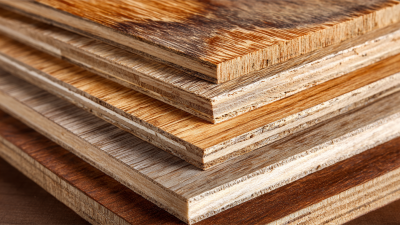
Inspecting physical samples is important before purchasing. Look for consistent grain patterns and smooth finishes. Pay attention to the plywood's weight and sturdiness. These factors often indicate its overall quality. Always remember, the cheapest option might not be the best choice. Investing time in research can prevent costly mistakes.
Factors Influencing Plywood Quality in China’s Market
When purchasing plywood in China, several factors affect quality. The type of wood used plays a crucial role. Different species have unique properties, impacting durability and appearance. For example, hardwoods generally offer better strength than softwood alternatives. Understanding wood types can help buyers make informed choices.
Adhesives also significantly influence plywood’s quality. Some products use higher-quality, waterproof glue, while others use cheaper options. This can lead to delamination, reducing longevity. Be wary of samples that feel too lightweight; they might be poorly constructed. Checking certifications for formaldehyde emissions is essential for health.
Another important factor is the manufacturing process. The methods used can vary widely among suppliers. Some factories maintain strict quality controls, ensuring consistency in their products. Others may overlook details, leading to defects. Inspecting finished goods for visible flaws is necessary. Observing the overall craftsmanship can provide insights into potential issues. Buyers must remain vigilant throughout the purchasing process.
Factors Influencing Plywood Quality in China's Market
Understanding International Standards for Plywood Products
When buying plywood, understanding international standards is essential. Plywood is categorized based on its quality and usage. Different standards exist globally, affecting durability and safety. It's imperative to know the specifics of these standards. For instance, look for certifications that indicate compliance with regional regulations. These certifications often reflect the adhesive quality and wood sourcing.
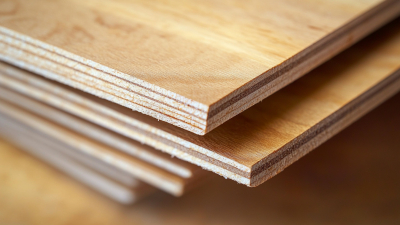
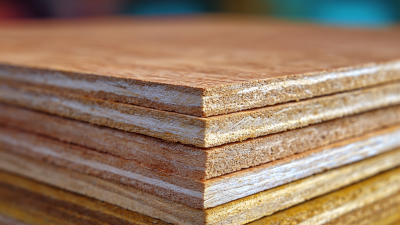
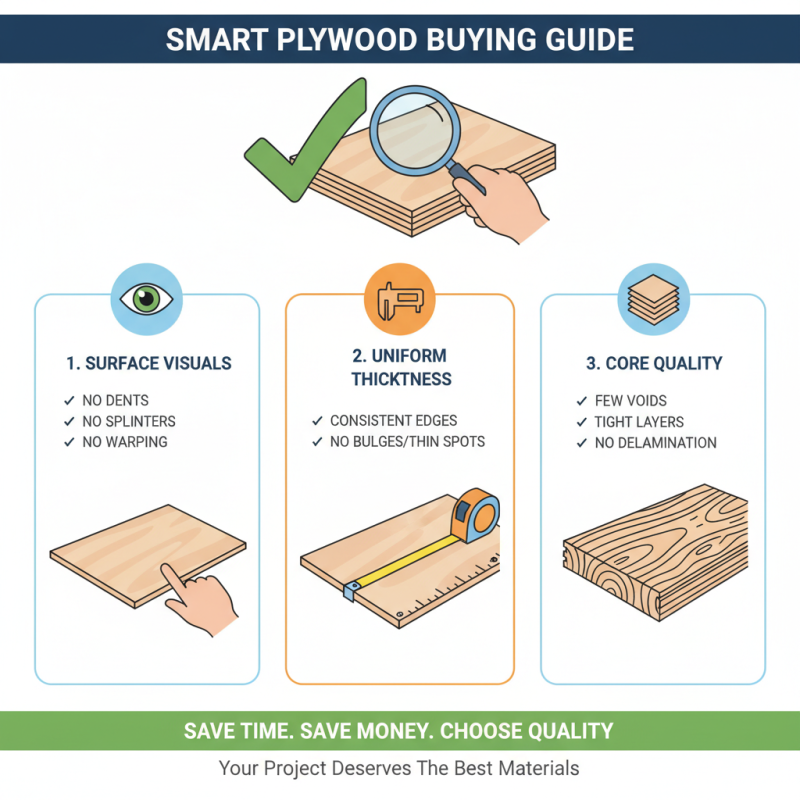
Quality can be subjective. A panel might look good but not perform well under stress. Check the thickness and uniformity of the sheets. Thin plywood may not hold up over time, especially in humid conditions. Inspect for imperfections like voids or bubbles. These flaws can weaken structural integrity.
It’s easy to make mistakes when evaluating plywood. Many overlook the importance of understanding weight and density. Lighter panels might seem appealing, but they often lack strength. Be wary of overly glossy finishes; they can mask low-quality materials. Take the time to research and compare various options. Finding the right plywood requires diligence and a keen eye for detail.
Evaluating Cost vs. Quality in Plywood Purchasing Decisions
When considering plywood, it's essential to evaluate cost versus quality effectively. Many buyers focus solely on the price tag. However, this approach can lead to regret later. A cheaper option might seem appealing, but it often compromises on durability and finish. Investing a little more can result in better performance and longevity.
Quality plywood offers significant advantages. It resists warping and offers a smooth surface, ideal for various projects. Inspecting the grain patterns and edges can help in assessing quality. Sometimes, what looks excellent on the outside reveals flaws underneath. Take time to examine each piece thoroughly.
Decisions about materials shouldn’t be rushed. It’s tempting to go for the quick fix, yet it often leads to reconsideration. Better quality plywood may require a larger initial investment, but the long-term benefits outweigh the costs. Balance your needs with your budget, and remember that quality often saves money in repairs down the line.
Key Certification Marks to Look for in Plywood Sourcing
When sourcing plywood, certification marks are crucial. They ensure that the product meets specific industry standards. Look for well-known certifications like CARB, which indicates low formaldehyde emissions. This is essential for indoor projects. Low VOCs contribute to healthier living spaces.
Another important mark is the FCC certification. It reflects that the plywood has passed durability tests. This certification is especially relevant for furniture and construction applications. The strength and longevity of plywood can impact the overall quality of your project. Always check for any available test results when possible.
It can be easy to overlook these certifications in favor of cheaper options. However, this may lead to unexpected issues. Inferior plywood can warp or emit unpleasant odors. Investing in quality certified products can save money in the long run. Remember, not all products with a low price tag will deliver the quality needed for successful outcomes.
Best Practices for Inspecting Plywood Before Purchase
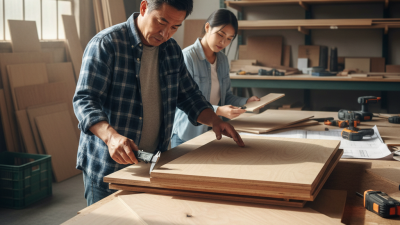
Inspecting plywood before purchase can save you time and money. It's essential to look for specific characteristics to ensure you get quality material. Start by checking the surface. Look for imperfections like dents, splintering, or warping. These defects can compromise your project later.
Another critical aspect is the grain pattern. A consistent grain indicates high-quality plywood. If you notice irregular patterns, it might signal inferior quality. Additionally, inspect the edges. Clean and smooth edges suggest better craftsmanship. Rough edges may lead to splintering during use.
Tips for a successful inspection include holding the plywood up to the light. Look for voids within the layers. These are air pockets that can weaken the material. Don't hesitate to knock on the plywood lightly. A solid sound generally indicates a denser and more reliable product. Always trust your instincts. If something feels off, it might be best to look for another option.