What is China Plywood and Why is it Popular?
China Plywood has gained remarkable popularity in the global market. This unique material is widely used in construction, furniture, and interior design. Expert Lin Wei, a renowned figure in the plywood industry, once stated, “China Plywood represents a perfect blend of quality and affordability.” His words reflect the rising demand for this versatile material.
This plywood is produced using a variety of woods. With a focus on sustainability, manufacturers are now utilizing recyclable resources. The aesthetic appeal and durability of China Plywood attract many designers. However, some consumers express concerns over quality consistency. Such issues remind us that not all products live up to their reputation.
China Plywood has revolutionized design possibilities. It offers affordable solutions without compromising look or function. Yet, buyers should research suppliers to ensure quality. The balance between cost and quality can be delicate. It is crucial to navigate this landscape thoughtfully, appreciating the strengths and weaknesses of China Plywood.

What is China Plywood?
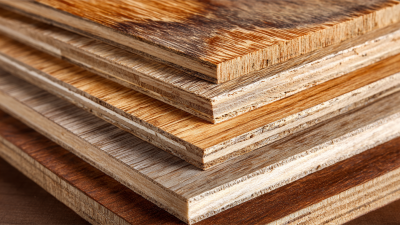
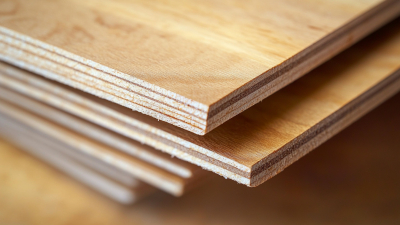
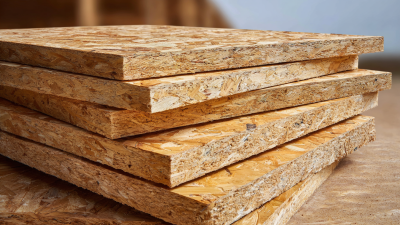
China plywood is a versatile material widely used in construction and furniture making. It is made from thin slices of wood, glued together to create multi-layered sheets. The layers provide stability and strength. According to a report by Technavio, the global plywood market will grow by over 4% annually, with China contributing significantly to this growth.
This plywood is popular due to its affordability and availability. Production in China benefits from vast natural resources and efficient manufacturing processes. The country produces approximately 55 million cubic meters of plywood annually, making it a leading supplier worldwide. The diverse applications range from cabinetry to flooring, attracting builders and designers alike.
However, concerns exist regarding quality and sustainability. Not all plywood meets high standards. Some are manufactured using lower-grade materials, affecting longevity. Moreover, environmental practices in sourcing wood can be questionable. Reflecting on these issues is crucial for ensuring responsible product choices in the future.
History and Development of Plywood in China
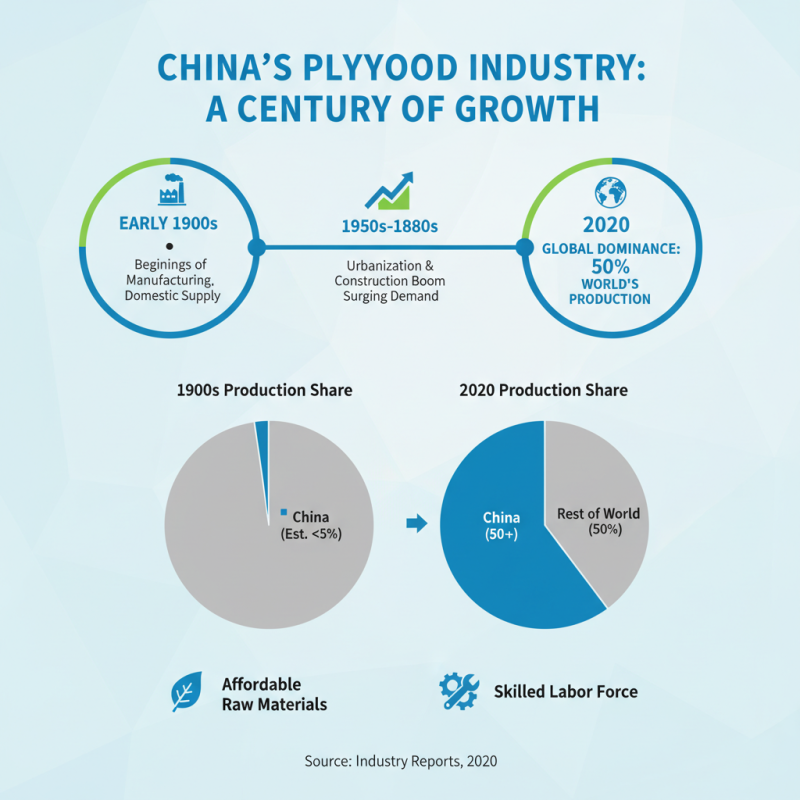
Plywood in China has a rich and complex history. Its roots can be traced back to the early 20th century when manufacturing began to gain traction. Initially, production was limited and aimed at meeting domestic needs. Over the decades, the demand for plywood surged due to rapid urbanization and construction. By 2020, China accounted for over 50% of the world's plywood production, according to industry reports. This remarkable growth was supported by various factors, including affordable raw materials and skilled labor.
The development of plywood technology in China has also played a crucial role. Advancements in adhesive technology improved the durability and quality of plywood. These enhancements have made Chinese plywood highly sought after in international markets. Moreover, the industry's shift towards eco-friendly practices has positioned China as a leader in sustainable plywood production. Reports indicate that 30% of Chinese plywood now meets international environmental standards.
Tips: When considering plywood options, always check for certifications. Sustainable products often have a lower environmental impact. Remember, quality varies widely. Cheaper options may not perform as well. Pay attention to details in the finish and strength.
Characteristics and Features of China Plywood
China plywood is known for its diverse characteristics. It meshes durability with aesthetic appeal. This combination attracts both builders and designers. The material can withstand varying weather conditions and has a lower chance of warping than some traditional woods. Its availability in different finishes makes it suitable for various applications, from furniture to interior décor.
One notable feature is its eco-friendliness. It often uses fast-growing trees, allowing for sustainable harvesting. Users are increasingly concerned about environmental impact. Therefore, this characteristic enhances the appeal of China plywood. Additionally, the manufacturing process has improved. Advances reduce defects in the panels, something that has been a challenge in the past. High-quality options are now accessible, but inconsistencies can still arise.
The versatility of China plywood is impressive. It can be easily cut, shaped, and finished to meet specific needs. However, some may find it challenging to choose the right type due to the sheer variety available. This might lead to decision fatigue for buyers. It’s crucial to research options fully before making a selection. Understanding individual project requirements helps ensure satisfaction.
Applications of China Plywood in Various Industries
China plywood is known for its versatility. It finds applications across various industries. Construction is a major sector utilizing this material. Builders often prefer it for wall panels, flooring, and roofing. Its durability and resistance to moisture contribute to its appeal.
In furniture making, China plywood offers great design flexibility. Manufacturers can shape it easily into unique forms. This wood product is also lightweight, making it ideal for modern furniture. Aesthetics play a role too; it can be finished in many attractive ways.
The automotive industry benefits as well. Plywood is used for interior panels and lightweight components. Its strength-to-weight ratio is impressive. However, some may raise concerns about sustainability. Ensuring responsible sourcing is vital for future growth. All industries must consider the environmental impact of their materials.
Applications of China Plywood in Various Industries
China plywood is widely used across various industries due to its versatility and durability. The chart above highlights the percentage of plywood usage in different sectors, showcasing its primary applications in furniture manufacturing, construction, and packaging.
Factors Contributing to the Popularity of China Plywood
China plywood has gained immense popularity in recent years due to several compelling factors. One major aspect is its cost-effectiveness. Reports indicate that Chinese plywood can often be 20-30% cheaper than similar products from other regions. This affordability attracts a wide range of consumers, from individual builders to large construction firms. Additionally, the market expansion in Asia-Pacific has significantly driven demand. In 2022, the Asia-Pacific plywood market was valued at approximately $18 billion and is projected to grow substantially in the coming years.
Quality is another critical factor. While some may question the durability of Chinese plywood, leading manufacturers continuously improve their production processes. The use of advanced technology leads to better quality control. Furthermore, the versatility of plywood makes it suitable for various applications, including furniture, flooring, and even structural components. Yet, inconsistencies can still be found, and buyers must be cautious.
Sustainability is becoming increasingly important. Some reports show that over 30% of consumers prefer eco-friendly materials. Although China has made strides in sustainable sourcing, there is still room for improvement. Deforestation and environmental regulations remain a concern. These factors lead customers to consider the long-term impacts of their choices. Overall, the growth of China plywood reflects a balance between affordability, quality, and sustainability, but it requires thoughtful consumer engagement to ensure responsible sourcing practices.
What is China Plywood and Why is it Popular?
| Factors |
Description |
Impact on Popularity |
| Affordability |
China plywood is competitively priced due to lower labor and production costs. |
Attracts budget-conscious consumers and businesses. |
| Diverse Range |
Available in various thicknesses, finishes, and types to suit different applications. |
Meets the specific needs of various industries. |
| Sustainability |
Many manufacturers use renewable resources and implement sustainable practices. |
Appeals to environmentally-conscious consumers. |
| Quality Standards |
Adherence to international quality standards ensures reliable products. |
Builds trust and repeat business with customers. |
| Export Capabilities |
Strong export infrastructure allows for easy global shipping. |
Increases availability in international markets. |