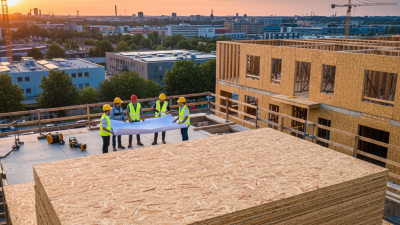
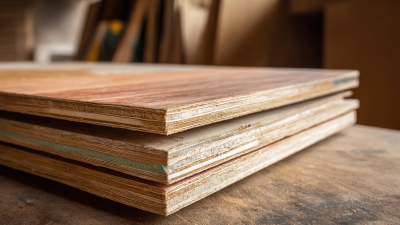
What is a China OSB Manufacturer and Why is it Important?
The role of a China OSB Manufacturer holds immense significance in the global supply chain. Oriented Strand Board (OSB) is crucial in construction and furniture sectors. China has become a leading producer of OSB due to its cost-effectiveness and mass production capabilities.
A China OSB Manufacturer impacts various industries. Their ability to produce high-quality boards at competitive prices fuels international demand. This shift has changed how businesses source materials. However, reliance on a single country can pose risks. Market fluctuations or supply chain disruptions can impact availability.
As we explore the significance of a China OSB Manufacturer, we need to consider both advantages and challenges. Understanding these dynamics is vital. A balanced view helps companies navigate the complexities of sourcing OSB effectively.
What Defines a China OSB Manufacturer?
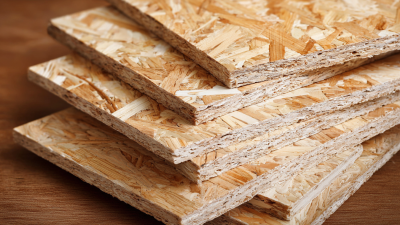
China OSB manufacturers play a crucial role in the global market. They primarily produce oriented strand board (OSB), a versatile engineered wood product. OSB is composed of wood strands, which offer strength and durability. It is widely used in construction, furniture, and other applications.
What defines a China OSB manufacturer is their commitment to quality and sustainability. Many manufacturers adhere to strict environmental regulations. They source wood from responsibly managed forests. Some, however, may fall short of these ideals, leading to ethical concerns. It's essential for consumers to be aware of the sourcing practices behind their products.
China's OSB manufacturers also focus on technological advancements. They invest in modern machinery, which improves efficiency. Despite these efforts, not all manufacturers embrace innovation equally. Some still rely on outdated methods that may affect quality. As the industry evolves, the importance of quality assurance cannot be overstated. This balance between tradition and innovation invites reflection on their practices and impact.
Key Characteristics of OSB Products from China
China's OSB (Oriented Strand Board) manufacturers play a crucial role in the global construction materials market. These products are engineered wood panels, known for their strength and versatility. The cost efficiency and wide availability make OSB a popular choice in furniture and building frameworks. Industry reports suggest that OSB production in China reached approximately 70 million cubic meters in 2022. This puts China as one of the top producers worldwide.
Key characteristics of OSB products from China include the use of high-quality raw materials. They often utilize fast-growing tree species, ensuring a sustainable supply. Strength ratings for these boards typically exceed those of traditional plywood, making them ideal for structural applications. Many OSB products also feature enhanced moisture resistance, which adds to their durability. However, there are areas for improvement. Some products may lack consistency in thickness, impacting the manufacturing process of end-users.
Innovative production techniques are emerging among Chinese manufacturers. Advanced technology enables better adhesion and improved strand orientation. Reports indicate a gradual reduction in production waste, highlighting an environmental commitment. Yet, concerns remain regarding the efficacy of quality control measures. Ensuring every batch meets international standards poses a challenge that requires ongoing attention. The market would benefit from transparent practices and enhanced testing protocols.
The Role of China OSB Manufacturers in Global Markets
China OSB manufacturers play a pivotal role in global markets. They supply oriented strand board (OSB), an engineered wood product used in construction, furniture, and various applications. In 2021, the global OSB market was valued at approximately $10.5 billion, with projections estimating it could reach $14 billion by 2028.
China's contribution is significant. The country accounts for nearly 50% of total OSB production worldwide. This dominance provides essential support to industries that rely on OSB, particularly in regions with high construction demand. However, this situation also raises challenges. Over-reliance on a few manufacturers might affect supply stability.
Tips: When seeking OSB, consider sourcing from multiple suppliers. Diversifying your supply chain can reduce risks associated with dependency on specific manufacturers.
China’s OSB industry also faces scrutiny. Environmental concerns arise from the rapid growth in production and deforestation. Manufacturers must adopt sustainable practices to ensure a balance between demand and ecological health. The transition could impact costs and ultimately the price of OSB. Balancing quality and sustainability remains an ongoing challenge for manufacturers.
Tips: Always check for certifications that indicate sustainable sourcing. This ensures your materials support responsible forestry practices.
Challenges Faced by China OSB Manufacturers in the Industry
China OSB manufacturers play a crucial role in the global oriented strand board market. However, they face numerous challenges that impact their operations. Industry reports indicate that China contributes nearly 30% of the world's OSB supply. Despite this, manufacturers encounter significant hurdles.
One major challenge is the fluctuating cost of raw materials. Recent studies show that wood prices have surged by over 20% this year alone. This impacts profit margins for manufacturers. Additionally, quality control remains a concern. Many facilities struggle to meet international standards, leading to inconsistencies in product quality. These factors necessitate continuous evaluation and improvement.
Tips: Focus on sourcing sustainable timber. Consider alternative materials to mitigate cost. Investing in technology can enhance quality control measures.
Labor issues also present a challenge. The industry faces a shortage of skilled workers. This gap can slow production processes. Companies must adapt by offering training programs. It's critical to stay competitive in a market where innovation is key.
Tips: Collaborate with local vocational schools. Build internships to attract young talent. Engaging in community outreach can help bridge the skill gap.
Challenges Faced by China OSB Manufacturers
This bar chart illustrates the common challenges faced by OSB manufacturers in China, highlighting key areas such as production costs, supply chain issues, and environmental regulations.