What is Building Plywood and Its Key Uses?
Building plywood is a crucial material in the construction industry. It consists of several layers of wood veneer glued together. This structure provides strength and versatility. According to industry expert John Smith, “Building plywood is the backbone of modern construction.” His insight highlights its importance.
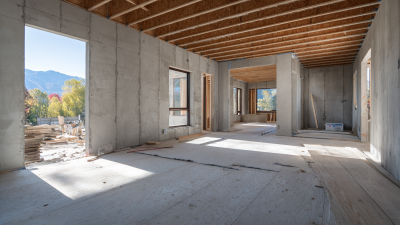
In residential and commercial projects, building plywood serves multiple purposes. It is used for flooring, roofing, and wall partitions. Each layer of veneer enhances stability and sustainability. Many builders appreciate its cost-effectiveness and adaptability. However, quality can vary significantly. Not all plywood is created equal; some may not withstand harsh conditions.
Despite its many advantages, challenges remain in sourcing high-quality building plywood. Inconsistent manufacturing standards can impact a project’s success. Builders must remain discerning when selecting materials. Reflecting on these factors can lead to better choices. Ensuring the right plywood can ultimately shape the integrity of the entire structure.
What is Building Plywood? Definition and Composition Explained
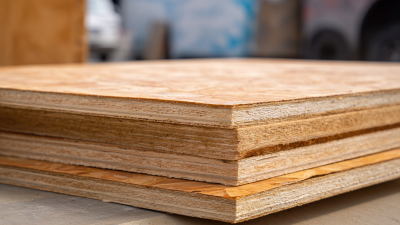
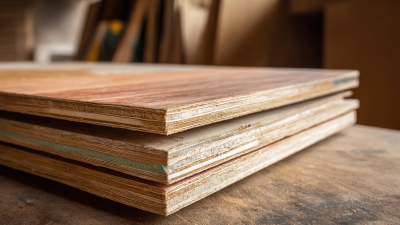
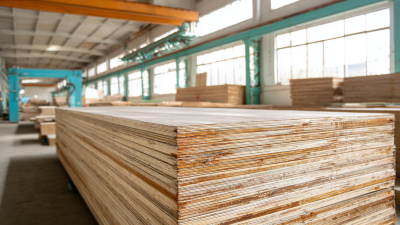
Building plywood is a versatile material widely used in construction. It is made by gluing together thin layers of wood veneer. Each layer, known as a ply, is oriented in different directions. This cross-grain structure gives building plywood strength and stability. Usually, it consists of three to seven layers, which affects its overall strength and thickness.
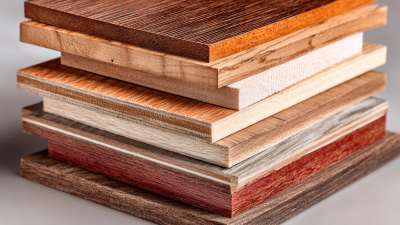
The composition of plywood often includes hardwoods and softwoods. The type of wood selected influences the durability and appearance. For instance, birch and oak are common choices for high-quality plywood. In contrast, softwoods like pine can be more affordable but less durable. Plywood is often used for flooring, walls, and roofing. It can also be found in furniture and cabinetry.
While plywood has many advantages, there are some downsides. It can be susceptible to moisture damage if not treated properly. Additionally, the adhesive used in its production may emit harmful substances. Ensuring proper ventilation and treatment can mitigate these risks. Exploring the potential uses of building plywood is worthwhile, despite these challenges.
Historical Development of Plywood in Construction Industry
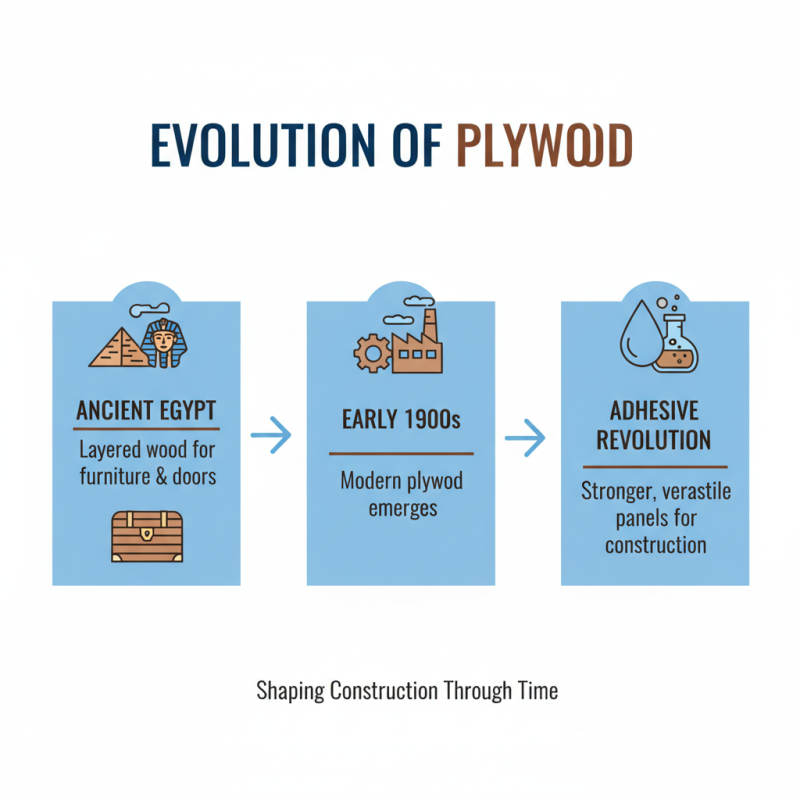
The plywood industry has seen significant historical developments that shaped its use in construction. Early forms of plywood date back to ancient Egypt, where layered wood was utilized for furniture and doors. However, the modern plywood we recognize emerged in the early 20th century. The introduction of adhesives revolutionized its production, resulting in stronger, more versatile panels.
By the 1950s, plywood became a staple in construction. Reports indicate that global plywood consumption reached 100 million cubic meters in 2020, reflecting its growing importance. Plywood's lightweight nature made it ideal for various applications, from flooring to wall sheathing. Builders appreciate its flexibility, but quality can vary. Subpar plywood can warp or delaminate, leading to structural failures.
Despite its advantages, there are challenges. Environmental concerns over deforestation impact sourcing practices. In some cases, the reliance on specific wood types has raised sustainability questions. Innovations are required to ensure a balance between demand and ecological responsibility. Adapting to these changes will be crucial for the plywood industry’s future.
Key Properties of Plywood: Strength, Flexibility, and Durability
Plywood is a popular material made from thin layers of wood veneer. Each layer is glued together in different directions. This unique structure gives plywood its remarkable strength. It can withstand heavy loads and resist warping. Many use it for furniture and flooring.
Another key property of plywood is its flexibility. This flexibility allows it to be used in various applications, from curved surfaces to flat panels. You can easily shape it for creative projects. For example, custom furniture often relies on plywood for its adaptable nature.
Durability is another crucial aspect. Plywood can resist moisture and pests if properly treated. This makes it a reliable choice for outdoor projects too. Even so, without the right protective coatings, plywood can suffer over time. Regular maintenance is essential to keep it in good condition. Users often overlook this, leading to premature wear.
Major Uses of Building Plywood in Residential and Commercial Construction
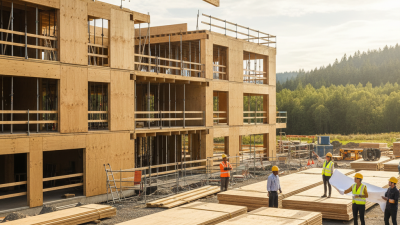
Building plywood is a versatile material used widely in both residential and commercial construction. Its strength and durability make it ideal for various applications. According to a report by the Forest Products Laboratory, plywood accounts for over 30% of softwood lumber consumption in the U.S. This statistic highlights its significance in the building market.
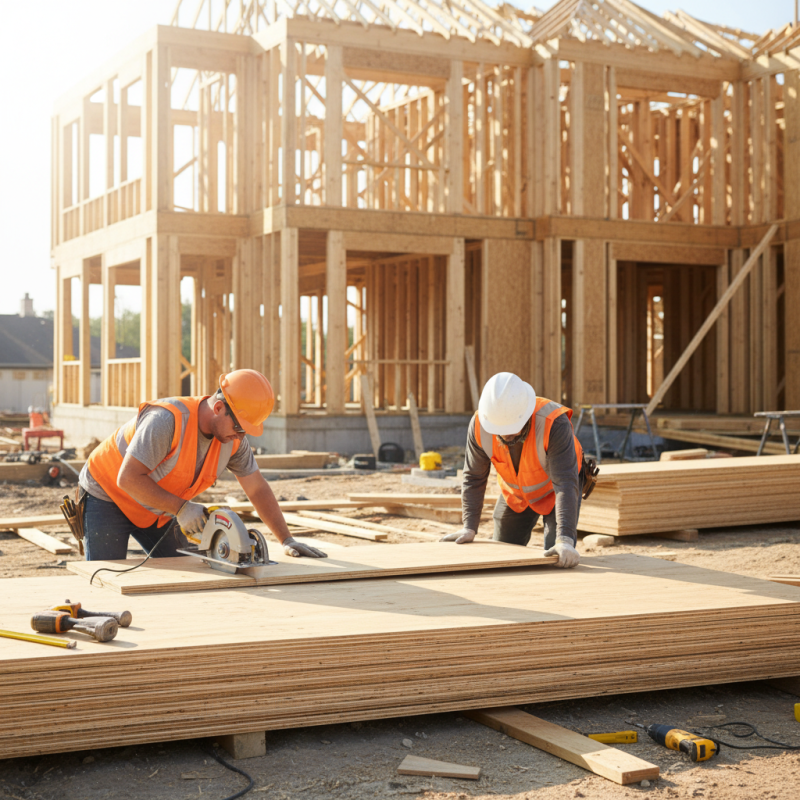
In residential construction, plywood serves critical functions. It is commonly used for wall sheathing, roof decking, and flooring. Statistics show that around 60% of new homes include plywood in their structures. This widespread use indicates its reliance in providing stability and support. While plywood is typically affordable, quality can vary, leading to potential issues. Builders sometimes use lower-grade options, which may not perform as expected, raising concerns for long-term durability.
Commercial projects also depend heavily on plywood. It is often utilized for formwork and scaffolding due to its strength. The construction industry increasingly opts for engineered plywood products for specific applications. Recent data reveals that engineered wood products, including plywood, comprise approximately 20% of the overall wood products market. However, some challenges persist. Not all projects account for the specific load-bearing requirements, leading to safety risks. Addressing such issues is vital for future construction safety.
Market Trends: Global Consumption and Production Statistics of Plywood
Plywood has become a vital material in construction and furniture design. Its lightweight nature and versatility make it popular. Global consumption of plywood has seen notable growth in recent years. Emerging markets, especially in Asia, are driving this surge. Countries like China and India show increased demand for high-quality plywood products. Production statistics reveal that plywood manufacturing is expanding rapidly.
Current market trends indicate a shift toward eco-friendly materials. Sustainable forestry practices are key to meeting growing consumer demands. More builders are searching for recyclable options. This shift reflects broader environmental awareness. Many consumers now prefer products with minimal ecological impact. Even minor changes in consumption habits can influence these trends.
Tips: Always consider the lifecycle of plywood. Think about how the material is sourced and manufactured. Look for certifications that ensure sustainable practices. When choosing plywood, be mindful of the balance between quality and cost. It’s easy to get caught up in price alone. Think twice before making compromises on quality or sustainability. Reflect on the impact of your choices.
What is Building Plywood and Its Key Uses? - Market Trends: Global Consumption and Production Statistics of Plywood
| Region |
Global Consumption (Million Cubic Meters) |
Production Volume (Million Cubic Meters) |
Key Uses |
| Asia-Pacific |
55 |
60 |
Construction, Furniture, Packaging |
| North America |
20 |
22 |
Residential Building, Flooring |
| Europe |
25 |
27 |
Interior Design, Construction |
| South America |
15 |
12 |
Furniture, Cabinetry |
| Africa |
10 |
8 |
Construction, Crafts |