Best Uses for OSB Sterling Board in Construction Projects?
The use of OSB Sterling Board in construction projects has gained popularity for its versatility and durability. This engineered wood product offers a range of applications, making it a preferred choice among builders and contractors. Unlike traditional materials, OSB Sterling Board can withstand moisture and impacts, which is vital in various environments.
Construction professionals utilize OSB Sterling Board for walls, roofs, and flooring. Its lightweight nature allows for easy handling and installation. However, not all projects may benefit equally from this material. Some might find its performance lacking in specific situations, leading to reflections on its overall effectiveness. Therefore, while OSB Sterling Board provides many advantages, careful consideration is necessary.
Understanding the best uses of OSB Sterling Board is essential. There are cases where alternative materials might perform better. Experimenting with OSB Sterling Board can lead to unexpected results. Awareness of its limitations is crucial for successful application and long-term satisfaction in construction projects.
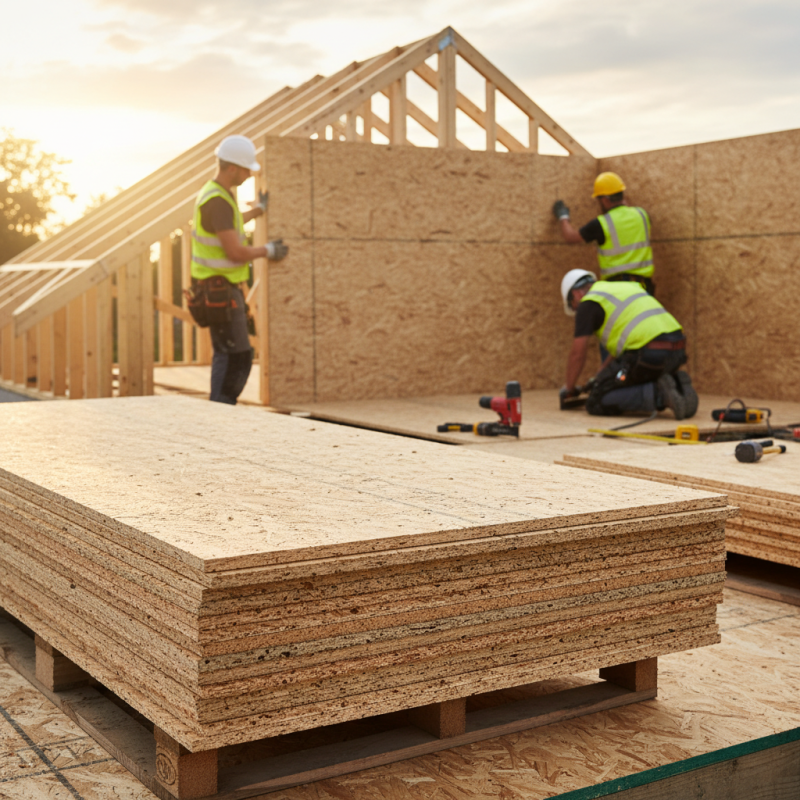
Best Uses for OSB Sterling Board in Residential Construction Projects
OSB Sterling Board is gaining popularity in residential construction. This versatile material is often used for wall and roof sheathing. It provides structural integrity and is a cost-effective option for builders. Many contractors appreciate its strength and durability. However, some may question its performance in high-moisture areas.
Using OSB Sterling Board in basement walls requires careful consideration. While it can resist warping, prolonged exposure to moisture can be problematic. Homeowners might face issues with mold if not properly sealed. Ventilation is key in these scenarios. It's essential to balance cost-saving measures with long-term durability.
In addition, many builders use OSB for subfloors. It offers a solid base for finished flooring. If installed correctly, it can minimize squeaks and movement. Yet, some floors can still flex if the board is too thin. These considerations warrant discussion among builders and homeowners alike. Balancing performance and budget demands attention.
Best Uses for OSB Sterling Board in Residential Construction Projects
| Use Case |
Description |
Advantages |
Disadvantages |
| Sheathing |
Used as wall, floor, and roof sheathing for structural support and insulation. |
Cost-effective and provides excellent strength. |
Sensitive to moisture, can swell and degrade if not properly sealed. |
| Subflooring |
Used as a base layer beneath flooring materials for added durability. |
Provides a solid foundation for various floor types. |
May be prone to moisture damage if not treated. |
| Framing |
Utilized in the framework of buildings for walls and structural supports. |
Strong and provides good load-bearing capacity. |
Less versatile compared to plywood in some applications. |
| Temporary Structures |
Used in constructing temporary walls or structures during renovation. |
Easily available and relatively inexpensive. |
Not intended for long-term use or exposure. |
| Insulation Board |
Provides a rigid layer for insulation in walls and roofs. |
Enhances energy efficiency of buildings. |
Potential for thermal bridging if not correctly installed. |
Comparative Analysis of OSB Sterling Board vs. Plywood in Framing
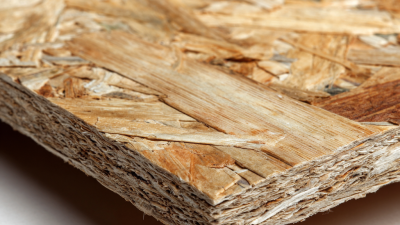
When comparing OSB Sterling board and plywood in construction framing, several factors emerge. OSB, made from compressed wood strands, typically costs 20-30% less than plywood. This affordability makes it a popular choice for builders. However, it is crucial to note that OSB can absorb moisture more readily, leading to potential swelling or warping.
On the other hand, plywood boasts a more consistent and robust structure. Its layers are glued together in a cross-banded arrangement, which enhances its strength and limits expansion. A study by the Wood Products Council highlights that plywood’s shear strength can exceed that of OSB by up to 40%. However, the higher price of plywood may deter some budget-conscious projects.
While OSB offers a cost-effective solution, it may face durability questions in long-term applications. In contrast, plywood presents a reliable option with proven resilience. Builders are faced with weighing initial savings against long-term performance. Each material has its pros and cons, making site-specific conditions and budget constraints vital in the decision-making process.
Best Uses for OSB Sterling Board vs. Plywood in Construction Projects
Structural Applications of OSB Sterling Board in Wall and Roof Sheathing
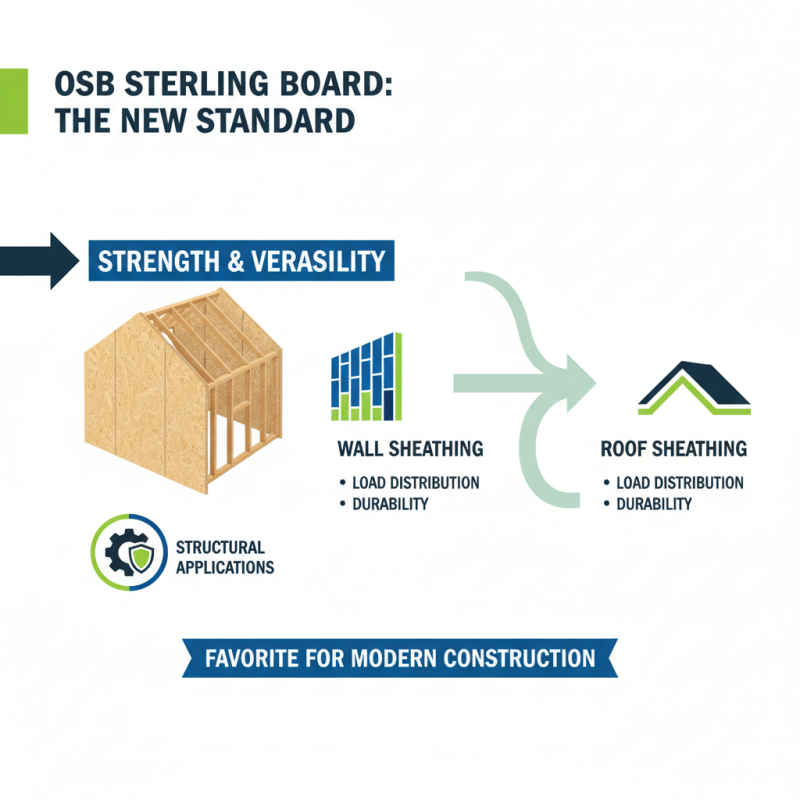
OSB Sterling Board is becoming a popular choice in construction. Its strength and versatility make it an excellent option for structural applications. Specifically, when used for wall and roof sheathing, this material demonstrates remarkable durability. It helps distribute loads evenly, which is vital in any building project.
In wall applications, OSB Sterling Board provides a sturdy foundation for insulation and exterior finishes. Its smooth surface allows for easy installation of siding or drywall. Choosing the correct thickness is crucial here; too thin can compromise strength, while too thick may add unnecessary weight. On roofs, this board holds up well against moisture and environmental stress. However, not every installation goes perfectly. Issues like warping can arise if not stored or handled properly. Attention to these details ensures longevity.
Contractors often appreciate the ease of cutting and shaping OSB Sterling Board. Still, they must consider potential hazards like splinters. Wear protective gear during installation. Overall, the right approach can lead to strong, resilient structures that stand the test of time.
Cost-Efficiency of OSB Sterling Board in Commercial Construction Projects
Cost-efficiency is a key factor in commercial construction projects. OSB Sterling Board stands out for its affordability. This material is often cheaper than traditional alternatives. It offers reliable performance without breaking the budget. Builders and contractors appreciate its potential to reduce overall costs.
When using OSB Sterling Board, proper planning is essential. While the material is cost-effective, it may not suit every situation. For instance, in extremely humid environments, consider the risk of swelling. Weighing the pros and cons is crucial. Understanding the specific requirements of a project will help determine the best application.
Additionally, consider labor costs when using OSB Sterling Board. Although the material itself is affordable, inefficient installation can lead to increased expenses. A skilled team is vital for optimal use. Overall, the cost-efficiency of OSB Sterling Board can benefit commercial construction when used wisely.
Environmental Impact and Sustainability of OSB Sterling Board Usage
The use of OSB Sterling Board in construction raises important environmental considerations. Engineered from wood strands, OSB is often seen as a sustainable alternative to solid wood. The Forest Products Laboratory identifies that OSB utilizes fast-growing trees, leading to reduced deforestation rates. However, it's crucial to acknowledge that the production process still generates waste and emissions.
The sustainability of OSB, particularly its life cycle, is worth discussing. A report from the American Wood Council states that OSB can have a lower carbon footprint compared to some conventional materials. However, the ecological impact of adhesives and chemicals used in production cannot be overlooked. Many OSB products contain formaldehyde, raising concerns about indoor air quality and long-term health effects.
Recycling and reusing OSB is essential for minimizing waste. Construction projects that incorporate OSB often overlook disposal practices, which can contribute to landfill issues. Improving recycling infrastructure is a pressing need. More awareness regarding the importance of end-of-life strategies will help enhance the overall sustainability of OSB use in construction.