Discover the Best Premium Plywood Options for Your Projects?
When it comes to building and crafting, choosing the right materials is crucial. One such material that stands out is Premium Plywood. This option provides both strength and versatility for various projects. Designers and builders often rely on it for its durability and aesthetic appeal. Using Premium Plywood can elevate your creations.
The range of Premium Plywood options available is extensive. Each type has unique characteristics and applications. Depending on your project's needs, you may encounter choices that fit your budget and style. However, not all products labeled as "premium" meet the high standards expected. It is essential to research and understand what distinguishes superior quality plywood.
While Premium Plywood offers exceptional benefits, it isn’t without challenges. Cost can be a factor, as high-quality products often come with a price. Additionally, sourcing reliable suppliers can sometimes be daunting. It’s wise to consider these aspects carefully. Engaging with professionals or reading reviews can lead to better decisions.
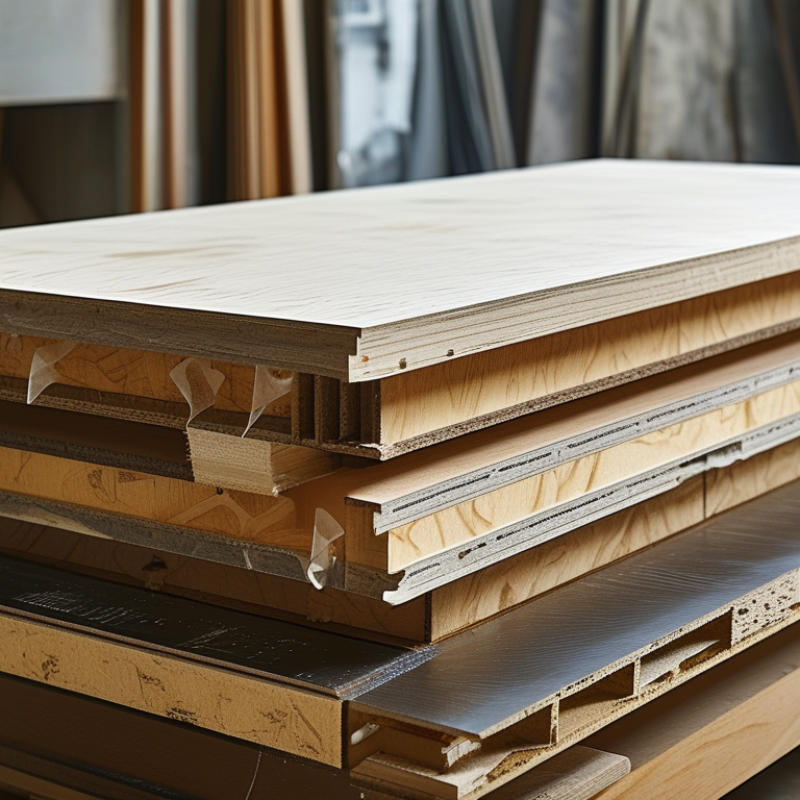
Understanding Premium Plywood: Definition and Features
Premium plywood is a material defined by its high quality and durability. It is crafted from multiple layers of wood veneer, bonded together. This construction causes it to have enhanced strength and resistance to warping. Thicker veneers provide better stability for various applications. The selection of wood species also plays a role in defining its premium status.
The features of premium plywood often include a smooth surface. This makes it suitable for projects that require a fine finish. It often displays beautiful grain patterns, adding aesthetic appeal. Some variants are marine-grade, making them ideal for humid environments. However, not all premium plywood is created equal. Variations in manufacturing quality can lead to inconsistencies. Thoughtful selection is crucial.
People often overlook the importance of sourcing. Obtaining plywood with proper certifications ensures better quality. It's essential to examine the layers and the bonding methods used. The best choice will depend on specific project needs. While premium plywood offers many advantages, it still requires careful consideration and evaluation to fully realize its potential.
Types of Premium Plywood: A Comparative Overview
When selecting premium plywood, understanding the various types available is crucial. One popular choice is hardwood plywood, which offers durability and aesthetic appeal. It's composed of several layers of wood veneer, providing strength while maintaining a beautiful finish. This type is ideal for furniture and cabinetry due to its structural integrity.
Another notable option is marine plywood. This grade is designed to withstand moisture and is perfect for boat building or outdoor projects. Its unique glue and veneer construction make it resistant to water damage. While marine plywood is more expensive, its longevity in harsh environments justifies the cost.
Lastly, there's birch plywood, known for its smooth surface and versatility. It works well in interior applications such as shelves and decorative projects. Yet, birch plywood may not always be suitable in humid conditions due to potential warping. Each type has its pros and cons, making it essential to evaluate your project needs carefully. Consider the environment and application before making a choice.
Factors to Consider When Choosing Plywood for Projects
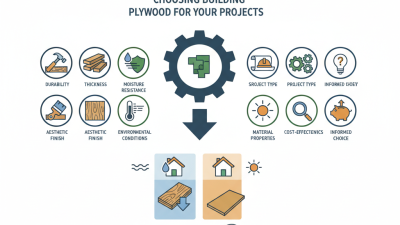
When selecting plywood for your projects, there are various factors to consider. The type of wood significantly impacts the quality and appearance. Hardwood plywood is known for durability, while softwood plywood can offer lightweight alternatives. Understanding your project's requirements is crucial to making the right choice.
Grain patterns and finishes also play a role. A clean, uniform appearance can enhance the aesthetic appeal of furniture or cabinetry. Consider the application as well. For high-traffic areas, stronger plywood types are necessary. You may need to balance cost and performance, which can be challenging.
Thickness is another important factor. Thicker plywood typically provides better stability, but it can be heavier. This may affect the ease of handling. Reflecting on these aspects can lead to better decisions. Experimenting with different types can also reveal unexpected results, encouraging innovation. Making informed choices ensures the project’s success.
Discover the Best Premium Plywood Options for Your Projects
| Plywood Type |
Thickness (mm) |
Usage |
Price per Sheet ($) |
Durability Rating |
| Baltic Birch |
15 |
Furniture |
70 |
High |
| Marine Plywood |
18 |
Boat Construction |
100 |
Very High |
| Cabinet Grade |
12 |
Cabinets |
60 |
Moderate |
| Structural Plywood |
15 |
Construction |
50 |
High |
| Phenolic Plywood |
21 |
Outdoor Usage |
90 |
Very High |
Top Brands Offering Quality Premium Plywood
When selecting premium plywood, several top brands stand out for their commitment to quality. These brands offer a range of products that cater to various project needs. Each product differs in terms of thickness, type of wood, and intended use. It’s essential to recognize that not all plywood is created equal. Some brands focus on durability and grain patterns that enhance aesthetic appeal. Exploring these options can lead to better project outcomes.
Understanding the manufacturing process is vital. Many reputable brands source sustainable materials. Quality control measures ensure that every sheet maintains high standards. However, potential buyers should consider their specific requirements. The price can vary significantly based on material and manufacturing quality. Evaluating the performance of plywood through hands-on experience can reveal differences not seen in specifications alone.
There might be a tendency to choose the cheapest option. Yet, this can be a false economy. Investing in high-quality plywood can save time and resources on repairs later. Recognizing the long-term benefits is crucial for any project. Ultimately, research and direct comparisons can lead to informed decisions when selecting plywood for your creative endeavors.
Practical Applications of Premium Plywood in Various Industries
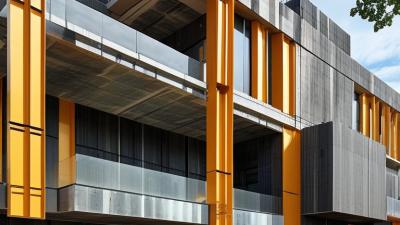
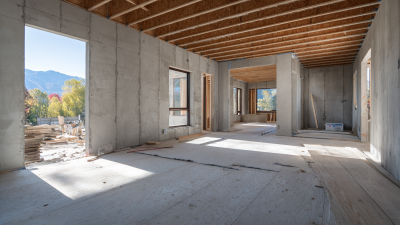
Premium plywood has extensive applications across various industries due to its versatility and strength. In construction, it is used for flooring, roofing, and wall sheathing. Its stability makes it ideal for both residential and commercial buildings. Architects appreciate the aesthetic appeal of plywood too. They often choose premium options for visible structures, blending functionality with beauty.
In the furniture industry, premium plywood is favored for its durability. Designers create elegant pieces, from chairs to cabinets, ensuring longevity. However, the choice of plywood isn’t always straightforward. Factors like grain pattern and finish can influence the final product. Sometimes, these decisions lead to unexpected challenges, such as improper adhesion during assembly.
The automotive industry utilizes plywood in interior applications. It offers lightweight yet sturdy solutions for dashboards and door panels. Plywood can be crafted into intricate shapes, enhancing visual appeal. Yet, manufacturers must be cautious. Moisture exposure can lead to warping over time. Testing and careful treatment are essential for sustainable use.