Best Osb Roof Sheathing Options for Your 2026 Projects?
When planning your construction projects for 2026, selecting the right Osb Roof Sheathing is crucial. This material has gained popularity due to its durability and versatility. Many builders appreciate its cost-effectiveness without sacrificing quality. However, choosing the best option can sometimes be overwhelming.
The market today is flooded with different grades and types of Osb Roof Sheathing. Knowing what differentiates each type is essential for making informed decisions. Some professionals might overlook the importance of moisture resistance, while others may focus solely on wind load capacity. Understanding these nuances can lead to better project outcomes and avoid costly mistakes down the line.
In this guide, we will explore various Osb Roof Sheathing options available for your upcoming projects. We aim to provide insights that reflect both expertise and real-world experience. It is vital to choose materials that not only meet building codes but also align with your project's specific needs.
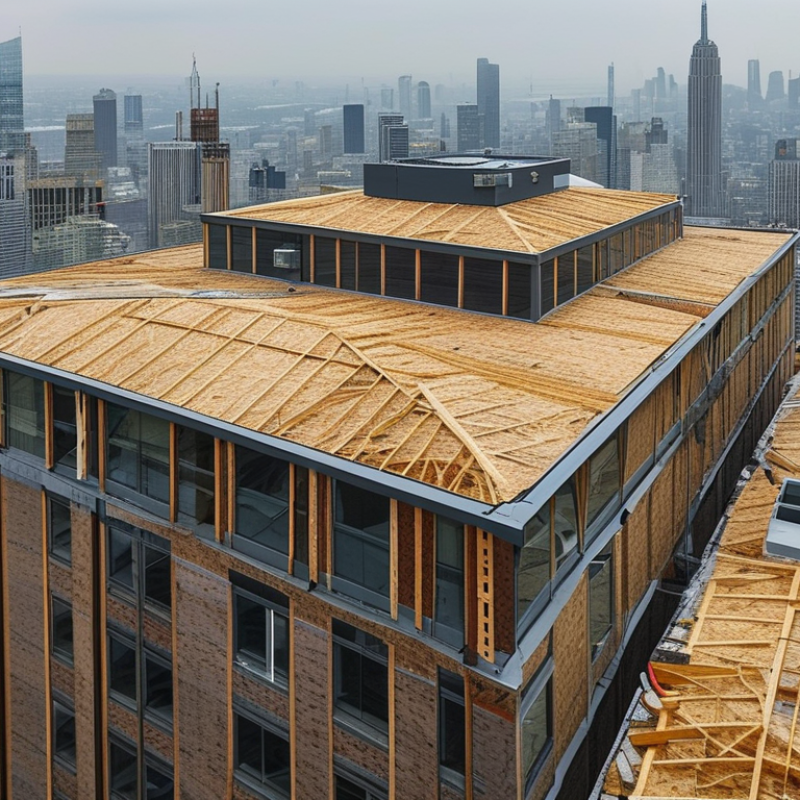
Overview of OSB Roof Sheathing and Its Importance
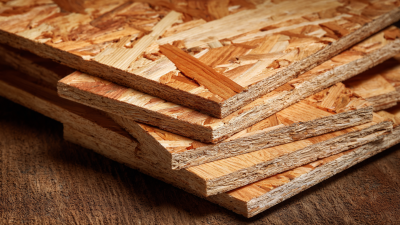
OSB, or oriented strand board, plays a crucial role in roof sheathing. It is a cost-effective and versatile material. Many builders appreciate its strength and stability. However, not all OSB is created equal. Variations in quality can influence overall roof performance.
When selecting OSB for roof sheathing, consider factors like thickness and moisture resistance. Proper ventilation during installation is vital. It helps prevent moisture buildup, which can compromise structural integrity. Also, ensure that the OSB you choose meets local building codes. This attention to detail helps prevent future issues, like warping and sagging.
It's essential to recognize that while OSB offers many benefits, it is not without its challenges. In humid climates, OSB may swell or delaminate. Regular inspections can help identify these issues early. Being proactive can save time and money in the long run. Knowing these aspects will enhance your roofing project's success.
Best OSB Roof Sheathing Options for Your 2026 Projects
In this chart, we explore various OSB roof sheathing types essential for roofing projects in 2026. The performance ratings indicate their suitability for different weather conditions and safety standards.
Types of OSB Roof Sheathing Available in 2026
When considering your roofing projects in 2026, OSB (Oriented Strand Board) remains a top choice for sheathing. Different types of OSB sheathing cater to various needs. You can find options like standard OSB, water-resistant OSB, and fire-rated OSB. Each type provides unique benefits suitable for different climates and building codes.
Choosing the right OSB sheathing is crucial. Water-resistant OSB is a better fit for humid areas. It helps prevent moisture infiltration and can extend the lifespan of your roofing. If fire safety is a concern, select fire-rated OSB for added protection. Always check local building codes to ensure compliance.
Tips to remember: Examine the OSB panels for visible signs of damage before installation. A small flaw can lead to significant issues down the line. Store OSB sheets in a dry area to prevent moisture absorption. Lastly, consult building professionals when unsure about your choices. Making informed decisions will lead to safer, more durable roofs in your projects.
Factors to Consider When Choosing OSB Sheathing
When selecting OSB roof sheathing, several factors demand consideration. The thickness of the sheathing affects both strength and weight. A thicker panel typically provides better load-bearing capacity and improved insulation. However, heavier materials can increase overall structural demands.
Moisture resistance is crucial. OSB is prone to swelling and warping when exposed to humidity. Investing in moisture-resistant options can prevent future issues. In addition, the orientation of the panels can influence their performance. Aligning the panels properly is essential for maximizing strength.
Tips for choosing the right OSB sheathing include checking local building codes. These codes may dictate specific requirements for thickness and material types. Consult a professional for tailored advice. Don’t overlook the possibility of potential climate impacts on your project. If in doubt, gather opinions from experienced builders.
Weigh the benefits of various OSB types. Consider how your project’s specifics may affect performance. Test different panels for their durability against weather elements. Reflect on how your choices today will influence your structure's longevity.
Installation Methods for OSB Roof Sheathing
OSB (Oriented Strand Board) is a popular choice for roof sheathing due to its strength and cost-effectiveness.
When it comes to installation methods, proper techniques can make a significant difference in longevity and performance.
It is essential to avoid over-tightening fasteners, as this can cause the OSB to warp. A report from the Wood Products Council
highlights that correctly installed OSB sheathing can withstand high winds, making it suitable for various weather conditions.
Additionally, ensuring a proper gap between sheets of OSB is critical. It allows for expansion and contraction due to temperature changes.
According to the American Plywood Association, a gap of 1/8 inch between sheets prevents potential buckling.
Use a consistent spacing method to maintain alignment and structural integrity.
Tips for installation: Always double-check measurements before cutting the OSB panels.
This helps to avoid mistakes that can lead to waste. Regularly inspect your tools to ensure they are in good working condition.
These practices can save time and reduce errors during installation.
Comparative Analysis of OSB vs Alternative Roof Sheathing Materials
When considering roof sheathing, OSB (Oriented Strand Board) remains a popular choice. It's cost-effective and offers good structural integrity. According to a recent report by the American Wood Council, OSB has a high strength-to-weight ratio, making it suitable for various climates. This material can withstand hurricanes and heavy snowfall, which can significantly increase the longevity of a roof.
However, OSB is not without drawbacks. It can absorb moisture, leading to potential swelling and degradation over time. The Center for Forest Products Business noted that alternative materials like plywood or gypsum board could address these issues. Plywood offers superior moisture resistance and durability, albeit at a higher cost. Gypsum board provides excellent fire resistance and is lightweight, making it a viable option, especially in fire-prone areas.
In comparing these materials, homeowners must weigh the benefits of cost versus longevity and durability. Financial constraints may push towards OSB, but the long-term implications warrant careful consideration. Different regional climates demand different materials, and local building codes can guide choices. Choosing the right sheathing is crucial for ensuring a safe and durable roof.