2026 Best China Plywood Options for Quality and Durability?
In today's competitive construction market, the quality and durability of materials are crucial. The "China Plywood" industry has gained significant attention due to its growth and advancements. According to a report by the China Forest Products Industry Association, over 80% of China's plywood exports meet international quality standards. However, not all products are created equal.
Expert Zhang Wei, a leading figure in the plywood industry, states, "The strength of China Plywood lies in its adaptability and innovation." This statement reflects the ongoing evolution within the industry. Despite improvements, challenges remain. Some manufacturers still struggle with consistency in quality, which can lead to misunderstandings in the market.
As consumers become more discerning, they seek reliable options. Evaluating the best "China Plywood" choices for 2026 requires understanding both the potential and pitfalls. It’s essential to pinpoint brands that prioritize sustainable practices while ensuring durability. The future of China Plywood relies on balancing these demands, as the industry must continually adapt to the changing landscape of global construction.

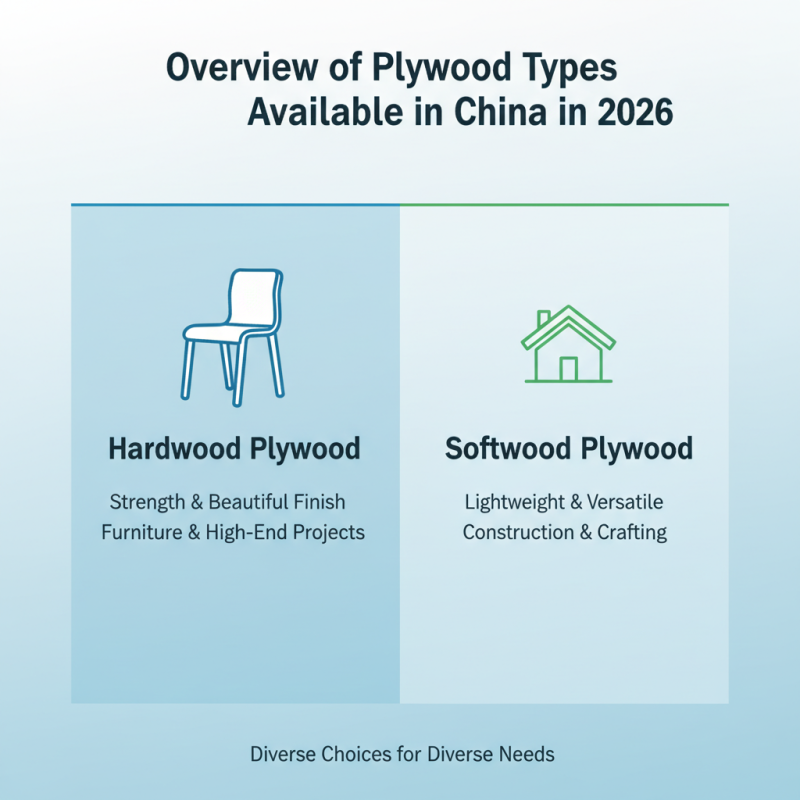
Overview of Plywood Types Available in China in 2026
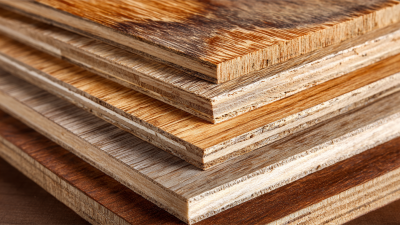
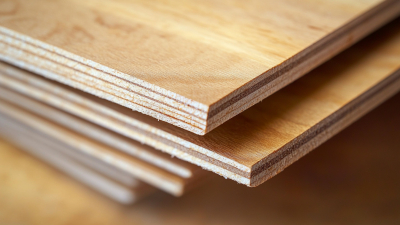
In 2026, the plywood market in China offers various choices. Different types cater to diverse needs and preferences. Hardwood plywood is popular for its strength and beautiful finish. It works well for furniture and high-end projects. Softwood plywood, on the other hand, is lightweight. It is often used in construction and for crafting.
Another significant option is decorative plywood. This type comes with unique veneers. It adds an aesthetic touch to interiors. However, decorative sheets might be more sensitive to humidity and temperature changes. Multi-layer plywood is also gaining traction. Its composite structure provides excellent stability and strength. It's great for structural applications but can be more costly.
Sourcing quality plywood requires careful consideration. Inspecting for defects is essential. Not all products are created equal, and some may not meet high durability standards. Quality can vary between manufacturers. It’s crucial to inquire about sourcing and production methods. Understanding these factors can lead to better choices for sustainable use.
Key Factors for Assessing Quality and Durability of Plywood
When assessing plywood quality and durability, several key factors come into play. First, the type of wood used affects not only aesthetics but also strength. Birch and oak are popular for their hardness. Studies show that higher density woods typically result in better durability.
Moisture resistance is crucial in many applications. Plywood should withstand humidity without warping. According to industry reports, plywood with a higher adhesive quality can enhance moisture resistance significantly. This is an often overlooked detail that can impact the longevity of the product.
Tips: Always check the bonding type of the plywood. Urea-formaldehyde adhesive may not be suitable for high-moisture environments.
Grain patterns offer insight into the plywood's stability. Uneven grain or irregular knots may indicate weaker areas. It's wise to carefully inspect each sheet for such imperfections.
Tips: Look for certifications that guarantee quality standards. Certification can be a telltale sign of better manufacturing practices.
In the competitive landscape of 2026, understanding these aspects will help you make a more informed choice. Investing in quality materials now saves costs in the future.
2026 Best China Plywood Options for Quality and Durability
Top Manufacturers of Plywood in China: A 2026 Review
As we look into the plywood market in China for 2026, several manufacturers stand out for their commitment to quality and durability. Reports indicate that plywood production in China reached over 25 million cubic meters in 2022. This is a robust indication of growth and interest in quality materials. The increasing demand for eco-friendly options is also noteworthy, with 30% of manufacturers now producing formaldehyde-free plywood.
Plywood is essential in construction and furniture making. The sourcing of raw materials plays a critical role in quality. Look for companies that emphasize sustainable harvesting of timber. Such practices not only improve durability but are also better for the environment.
Tips: Always check for certifications that ensure quality standards. Some certifications indicate compliance with international norms, ensuring a level of safety. Pay attention to thickness and layer quality in plywood sheets; these factors impact strength significantly. Choosing the right manufacturer can ensure you get materials that last longer and perform better in varied conditions.
Comparative Analysis of Eco-Friendly vs Traditional Plywood Options
In the quest for sustainable construction materials, eco-friendly plywood is gaining traction. Research indicates that eco-friendly plywood often uses adhesives with lower volatile organic compounds (VOCs). These adhesives reduce harmful emissions, creating a healthier indoor environment. Traditional plywood typically uses urea-formaldehyde adhesives, which can release toxic fumes over time. This critical difference impacts air quality and overall safety.
A recent industry report highlighted that eco-friendly plywood can have a durability comparable to traditional options. Tests showed that eco-friendly products performed similarly in moisture resistance and structural integrity. However, some users have reported variability in quality from batch to batch. This inconsistency can be frustrating, as not all eco-friendly products are created equal.
Economically, eco-friendly plywood might have a higher initial cost. However, considering the long-term benefits, such as improved air quality and durability, this cost may balance out. It’s worth analyzing local suppliers and sourcing practices. Ultimately, the choice between eco-friendly and traditional plywood involves weighing immediate costs against future impacts. Embracing eco-friendly options could be the right step, but not without careful consideration.
2026 Best China Plywood Options for Quality and Durability
| Plywood Type |
Quality Rating |
Durability Rating |
Eco-Friendly |
Price (USD per sheet) |
| Marine Plywood |
9.5 |
9.8 |
No |
50 |
| Bamboo Plywood |
9.0 |
9.5 |
Yes |
45 |
| Poplar Plywood |
8.5 |
8.0 |
No |
30 |
| Oak Plywood |
9.2 |
9.0 |
No |
60 |
| Formaldehyde-Free Plywood |
9.7 |
9.3 |
Yes |
55 |
Consumer Insights: Preferences and Trends in China’s Plywood Market
The plywood market in China is evolving rapidly. Consumers are becoming more discerning. They seek quality that lasts. Preferences lean toward sustainable materials. There is a growing trend for eco-friendly options. Many buyers value certifications that indicate sustainable sourcing.
Tips for choosing the right plywood: Look for thickness and density. Thicker plywood often signifies better durability. Check for voids in the boards; fewer voids indicate higher quality. Ask for samples. This helps in assessing texture and finish before a larger purchase.
Some buyers still opt for lower-priced options. They might save initially but often regret this choice later. The longevity of quality plywood often outweighs the temptation of a cheaper alternative. Investing in better quality pays off. Consider long-term needs when making a decision.