Top Benefits of Using OSB Sheathing for Your Construction Projects
In the realm of modern construction, choosing the right materials can significantly influence the durability and efficiency of a project. One material that has gained considerable traction is OSB sheathing, known for its versatility and performance. As construction expert John Smith emphasizes, "OSB sheathing not only provides superior structural integrity, but it also enhances energy efficiency in building designs.” This speaks volumes about the importance of selecting high-quality materials like OSB sheathing for both residential and commercial applications.
With its unique properties, OSB sheathing offers numerous benefits that can streamline the construction process. Its ability to resist warping and swelling, in contrast to traditional plywood, makes it an ideal choice for various climates. Additionally, the affordability and availability of OSB sheathing make it a go-to option for many builders seeking to optimize their budgets without compromising on quality.
Moreover, as sustainability becomes increasingly prioritized in the construction industry, OSB sheathing delivers a strong performance. Made from fast-growing timber species, it presents an environmentally friendly alternative to less sustainable materials. This alignment with eco-conscious building practices not only appeals to modern consumers but also helps in achieving green building certifications. As we delve deeper into the top benefits of using OSB sheathing, it’s clear that it stands out as a vital component in contemporary construction projects.

Benefits of OSB Sheathing in Structural Strength and Stability
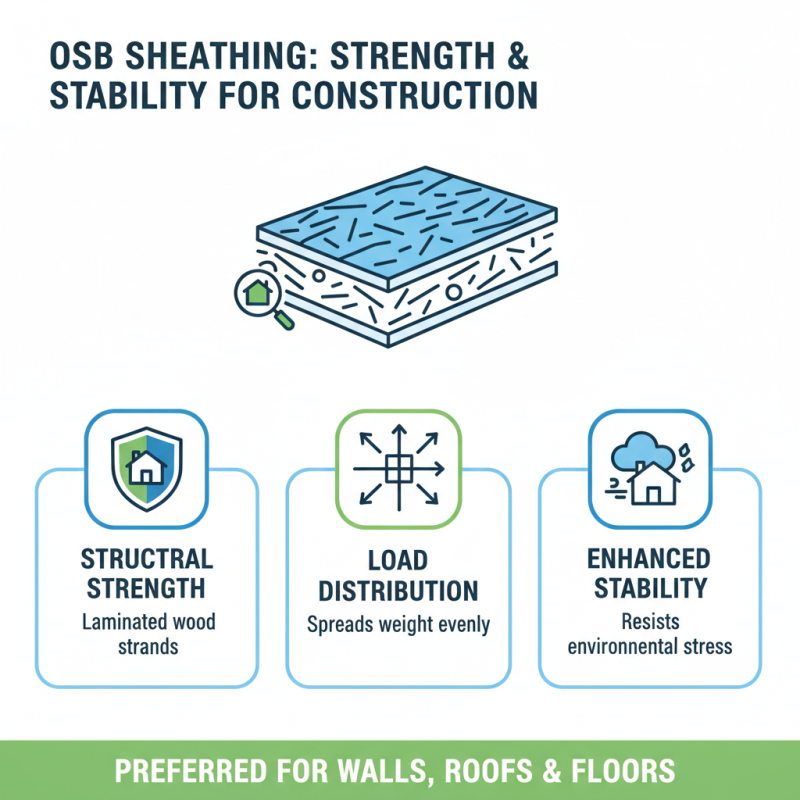
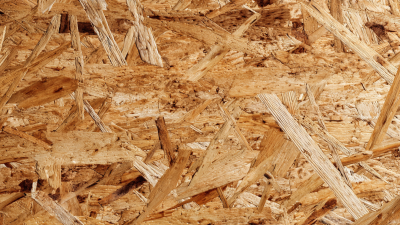
OSB (Oriented Strand Board) sheathing is increasingly recognized for its impressive structural strength and stability, making it a preferred choice in construction projects. This engineered wood product is composed of strands of wood that are arranged in layers and bonded together with adhesives, creating a highly durable and resilient material. One of the key benefits of OSB sheathing is its ability to effectively distribute loads across a larger area, which enhances the overall stability of walls, roofs, and floors. This load distribution minimizes the risk of structural failure and improves the performance of the entire building under various environmental conditions.
Additionally, OSB sheathing provides excellent resistance to bending and warping, contributing to long-lasting structural integrity. Unlike traditional plywood, OSB maintains its strength even in high moisture environments, thanks to its water-resistant properties. This characteristic is crucial, as it helps maintain the dimensions and performance of the construction over time. Furthermore, OSB sheathing offers superior nailing strength, allowing for secure fastening of other building materials, which further enhances structural reliability. Overall, the use of OSB sheathing plays a vital role in ensuring a strong and stable framework for a wide range of construction applications.
Cost-Effectiveness of OSB Sheathing for Construction Projects
OSB (Oriented Strand Board) sheathing has gained popularity in the construction industry due to its remarkable cost-effectiveness. Recent market studies indicate that OSB can be up to 20% less expensive than plywood, making it an attractive option for builders looking to manage budgets without compromising on quality. The material’s efficiency extends beyond just its price; OSB offers excellent structural performance and durability, which can result in reduced labor costs and faster project completion times. With lower costs in raw materials, it allows for significant savings when used in larger projects.
When considering OSB sheathing, it’s essential to keep certain tips in mind. First, ensure that you’re using osb suited for your specific climate and project needs. This will help avoid potential issues related to moisture exposure, which can compromise the integrity of the sheathing. Secondly, buying in bulk can be beneficial as it may lead to price reductions per unit, thereby enhancing overall project cost efficiency.
Moreover, professionals in the construction field report that using OSB can streamline the overall building process. In a survey conducted by the Construction Specifications Institute, 65% of contractors noted that OSB's uniformity and ease of installation contribute to faster setup times, ultimately leading to lesser labor charges. As the demand for cost-efficient building materials grows, OSB sheathing stands out as a viable solution that meets both economic and structural requirements.
Top Benefits of Using OSB Sheathing for Your Construction Projects - Cost-Effectiveness of OSB Sheathing for Construction Projects
| Benefit |
Description |
Cost Savings |
Durability Rating |
| Weight Efficiency |
OSB is lighter than plywood, making it easier to handle during installation. |
Saves on transportation costs due to lower weight. |
Moderate |
| Cost-Effectiveness |
Typically less expensive than plywood, providing a budget-friendly option for builders. |
25% lower cost on average compared to plywood. |
High |
| Insulation Properties |
Provides better insulation, leading to energy savings over time. |
Contributes to lower energy bills. |
Good |
| Moisture Resistance |
Pre-treated boards available that resist moisture better than some alternatives. |
Reduces the need for additional treatments or reinforcements. |
High |
| Versatility |
Can be used in various applications including walls, roofs, and subfloors. |
Reduces the variety of materials needed, saving on procurement costs. |
High |
Moisture Resistance: The Advantage of OSB Sheathing
Oriented strand board (OSB) sheathing is increasingly recognized for its superior moisture resistance, making it an ideal choice for construction projects. According to the Forest Products Laboratory, OSB generally has a lower moisture content than plywood when exposed to similar conditions, which helps to prevent swelling and warping over time. This characteristic is vital, especially in climates with high humidity or where unexpected water exposure is common. Properly installed OSB sheathing can maintain its integrity and strength even when subject to the rigors of weather, contributing to the longevity and durability of the building structure.
Additionally, OSB sheathing's performance in moisture resistance is enhanced by its composition. It is made up of strands of wood that are bonded together with adhesive, creating a solid panel that is less permeable to moisture compared to traditional wood panels. The American Plywood Association has noted that OSB panels can be treated with water-resistant adhesives, which further protects against moisture infiltration. This makes OSB a reliable choice for roofing and wall applications, where moisture resistance is paramount. The combination of these factors not only reduces maintenance costs but also enhances the overall safety and performance of the construction project.
Sustainability and Eco-Friendliness of OSB Sheathing Materials
Oriented Strand Board (OSB) sheathing has emerged as a favored material in construction due to its sustainability and eco-friendliness. Made from small strands of wood that are oriented and bonded under heat and pressure, OSB utilizes materials that might otherwise be considered waste in the lumber industry. This process not only maximizes the use of available natural resources but also reduces the environmental impact associated with logging and timber production. As a result, OSB sheathing presents an renewable alternative to traditional plywood, aligning with the increasing demand for sustainable building materials.
Furthermore, OSB sheathing contributes to improved energy efficiency in structures. Its excellent thermal insulation properties help maintain stable indoor temperatures, thus reducing the reliance on heating and cooling systems. This translates into lower energy consumption and greenhouse gas emissions throughout the life of a building. The ability to source OSB from sustainably managed forests also highlights its role in promoting responsible forestry practices. By opting for OSB sheathing, builders can significantly reduce their project's environmental footprint while still achieving the structural and performance characteristics needed for modern construction.
Top Benefits of Using OSB Sheathing for Your Construction Projects
Versatility of OSB Sheathing in Various Construction Applications
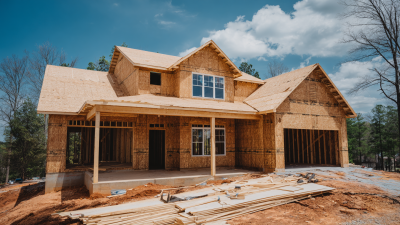
OSB (Oriented Strand Board) sheathing has gained popularity in various construction applications due to its remarkable versatility. One of the key advantages of OSB is its ability to be used in a wide range of structures, from residential homes to commercial buildings. Its engineered wood product design ensures strength and stability, making it a reliable choice for load-bearing walls, roofs, and floors. This adaptability allows builders to meet the specific demands of different projects while maintaining structural integrity.
When working with OSB sheathing, it's essential to consider a few practical tips. First, always ensure proper sealing and moisture protection, especially in regions with high humidity or exposure to water. This will help prevent issues like warping or mold growth over time. Additionally, when cutting OSB panels, use the correct tools to achieve clean edges, which will enhance their overall appearance and fit within the framework.
OSB sheathing can also be utilized in creative ways beyond traditional applications. For example, it can serve as a durable subflooring option or be used for exterior wall sheathing in various climates. Its lightweight nature makes it easier to handle and install, saving both time and labor costs. Embracing the versatility of OSB sheathing can lead to efficient project completion while ensuring a robust finished product.